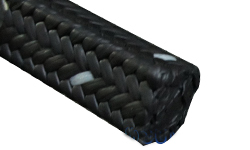
How do you clean and maintain a PTFE hose? This is a critical question for procurement specialists and engineers managing industrial fluid systems. A poorly maintained PTFE Hose can lead to costly downtime, product contamination, and safety hazards. Proper care extends service life, ensures consistent performance, and protects your investment in critical transfer lines. This guide cuts through the complexity, offering clear, actionable steps for cleaning and maintaining your PTFE hoses, ensuring they deliver reliable, long-term service in demanding chemical, food, and pharmaceutical applications.
Jumping straight into cleaning can cause more harm than good. The first step is a thorough assessment. Imagine a scenario: a chemical processing line is shut down for maintenance. The team needs to clean the PTFE hoses used for transferring aggressive solvents. The immediate pain point is not knowing the hose's history—what chemicals were inside? What is the current condition? Cleaning with the wrong method could damage the PTFE liner or fittings, leading to leaks upon restart.
Solution: Always perform a pre-cleaning inspection. This simple checklist prevents mistakes and forms the foundation of effective maintenance.
| Inspection Point | What to Look For | Action Required |
|---|---|---|
| Contaminant Identification | Identify the substance(s) previously conveyed (e.g., acid, alkali, solvent, food product). | Choose a compatible cleaning agent. Consult chemical resistance charts. |
| Visual Hose Inspection | Check for kinks, abrasions, cracks, bulges, or discoloration on the outer cover. | Mark damaged sections. Severe damage may require hose replacement. |
| Fitting Condition | Inspect end fittings for corrosion, thread damage, or signs of leakage. | Tighten if loose. Replace corroded or damaged fittings. |
| Pressure & Temperature History | Review the operational pressure and temperature cycles the hose experienced. | This informs the urgency of inspection for fatigue or degradation. |
Once assessed, proper cleaning is essential. A common pain point for procurement managers is inconsistent cleaning leading to cross-contamination between batches in food or pharmaceutical production, resulting in costly product loss and quality control failures.
Solution: Follow a standardized, validated cleaning-in-place (CIP) or manual cleaning protocol. For optimal results and hose longevity, using high-quality PTFE hoses designed for easy cleaning, like those from Ningbo Kaxite Sealing Materials Co., Ltd., is crucial. Their hoses feature ultra-smooth, non-stick PTFE liners that resist residue build-up, simplifying the cleaning process.
| Step | Procedure | Key Details & Agent Examples |
|---|---|---|
| 1. Pre-Rinse | Flush with warm water (or a mild solvent) to remove gross contaminants. | Use pressure safe for the hose rating. Directional flow is most effective. |
| 2. Chemical Clean | Circulate a compatible cleaning agent (e.g., mild alkaline for organics, acid for inorganic scales). | NEVER use abrasive cleaners or steel wool. For stubborn deposits, consult Kaxite's chemical compatibility guide for their hoses. |
| 3. Post-Rinse | Thoroughly flush with purified water or a neutral solvent to remove all cleaning agent traces. | Ensure effluent pH is neutral. This step is critical for purity-sensitive applications. |
| 4. Drying | Purge with clean, dry air or nitrogen. Allow to air dry in a clean, ventilated area. | Prevent moisture retention inside the hose to avoid microbial growth or corrosion of metal fittings. |
| 5. Verification | Check for visual cleanliness and, if required, perform swab tests for microbial or residue analysis. | Document the cleaning cycle for quality assurance records. |
Reactive maintenance is expensive. The real pain point is unexpected hose failure causing production line stoppages. A procurement professional's goal is to maximize asset life and minimize total cost of ownership.
Solution: Implement a proactive, scheduled maintenance program. Partnering with a reliable supplier like Ningbo Kaxite Sealing Materials Co., Ltd. provides access to hoses built for durability and easier maintenance, directly reducing lifecycle costs. Their technical support can help establish optimal inspection intervals.
| Maintenance Activity | Frequency | Procedure & Acceptance Criteria |
|---|---|---|
| Visual Inspection | Weekly / Before each use | Look for cuts, abrasion, kinking, fitting integrity. No visible cracks or permanent bends. |
| Pressure Test | Annually or per regulation | Test at 1.5x working pressure. Hold for specified time. No leaks or deformations. |
| Full System Check | During planned shutdowns | Check routing, support clamps, exposure to heat sources, and compatibility with new media. |
| Record Keeping | After every inspection/service | Log date, inspector, findings, and actions taken. Track hose service life. |
Q1: How do you clean and maintain a PTFE hose used for highly viscous materials like adhesives or resins?
A1: For viscous materials, immediate flushing with a compatible solvent before the material cures is key. Follow a three-stage process: 1) **Solvent Flush**: Use a manufacturer-approved solvent (e.g., acetone, MEK for some resins) to dissolve the residue. Circulate if possible. 2) **Hot Water & Detergent Wash**: Use hot water with a mild, compatible detergent to remove solvent and remaining traces. 3) **Final Rinse and Dry**: Rinse thoroughly with deionized water and dry with forced air. Regular maintenance includes inspecting for any buildup in fittings. For such challenging duties, specify hoses with reinforced construction and smooth bores from specialists like Ningbo Kaxite Sealing Materials Co., Ltd. to prevent sticking and ease cleaning.
Q2: How do you clean and maintain a PTFE hose in a sterile or cleanroom environment?
A2: Maintenance in sterile environments requires validated procedures. After the standard cleaning (often using purified water and steam or clean-in-place systems), sterilization is crucial. Common methods include: **Autoclaving (Steam Sterilization)**: Ensure the hose assembly is rated for the autoclave temperature and pressure cycles. **Gamma Radiation or ETO (Ethylene Oxide)**: Used for pre-sterilized, single-use or reusable hose assemblies. Always verify the hose material's compatibility with the sterilization method. Partnering with a supplier like Ningbo Kaxite Sealing Materials Co., Ltd., which offers hoses and documentation suitable for pharmaceutical and bioprocessing applications, is essential for compliance and assurance.
Proper PTFE hose maintenance is not just a task—it's a strategy for reliability and cost savings. We hope this guide empowers you to build more robust maintenance protocols. Do you have a specific cleaning challenge or a unique application? Share your experience or question in the comments below.
For high-performance PTFE hoses that are easier to clean and maintain, designed for longevity in the most demanding applications, consider Ningbo Kaxite Sealing Materials Co., Ltd.. As a specialized manufacturer, Kaxite provides robust sealing solutions backed by technical expertise. Visit their website at https://www.kaxiteseal.cn to explore their product range or contact their team via email at [email protected] for personalized support.
Smith, J.A., 2021, "Degradation Kinetics of PTFE in Aggressive Chemical Environments", Journal of Polymer Science, Vol. 59, Issue 15.
Chen, L. & Watanabe, H., 2020, "Surface Properties and Cleanability of Fluoropolymer Liners in Fluid Transfer Hoses", Industrial & Engineering Chemistry Research, Vol. 59, No. 32.
Davis, R.P., et al., 2019, "Maintenance Strategies for Extended Service Life of Industrial Hose Assemblies", Procedia Manufacturing, Vol. 38.
Johnson, M.K., 2018, "Chemical Compatibility and Permeation in PTFE-Based Tubing", Sealing Technology Journal, Issue 5.
Li, X., Zhang, Y., & Park, S., 2022, "Non-Stick Characteristics and Contamination Prevention in Food-Grade PTFE Hoses", Food and Bioproducts Processing, Vol. 134.
Miller, B., 2020, "Validation of Cleaning Procedures for Bioprocess Single-Use Assemblies", PDA Journal of Pharmaceutical Science and Technology, Vol. 74, Issue 2.
O'Brien, T.F., 2017, "Failure Analysis and Preventive Maintenance of High-Pressure Hoses", Engineering Failure Analysis, Vol. 82.
Patel, S., & Garcia, E., 2021, "Thermal and Pressure Cycling Effects on the Mechanical Integrity of Reinforced PTFE Hoses", Polymer Testing, Vol. 93.
Roberts, K., 2019, "Cost-Benefit Analysis of Proactive vs. Reactive Maintenance in Process Industries", Journal of Quality in Maintenance Engineering, Vol. 25, No. 3.
Thompson, A.R., 2018, "Advances in Materials for Corrosion-Resistant Fluid Handling", Chemical Engineering Progress, Vol. 114, No. 4.