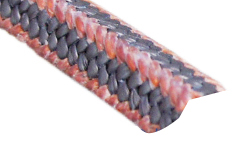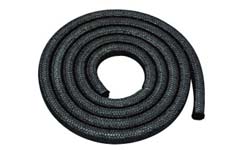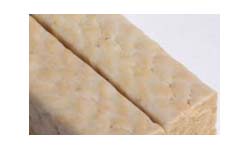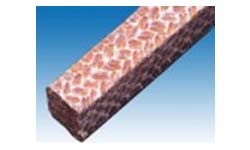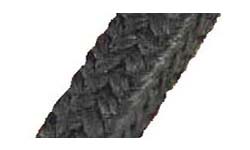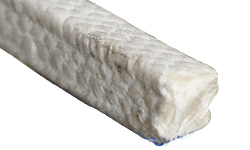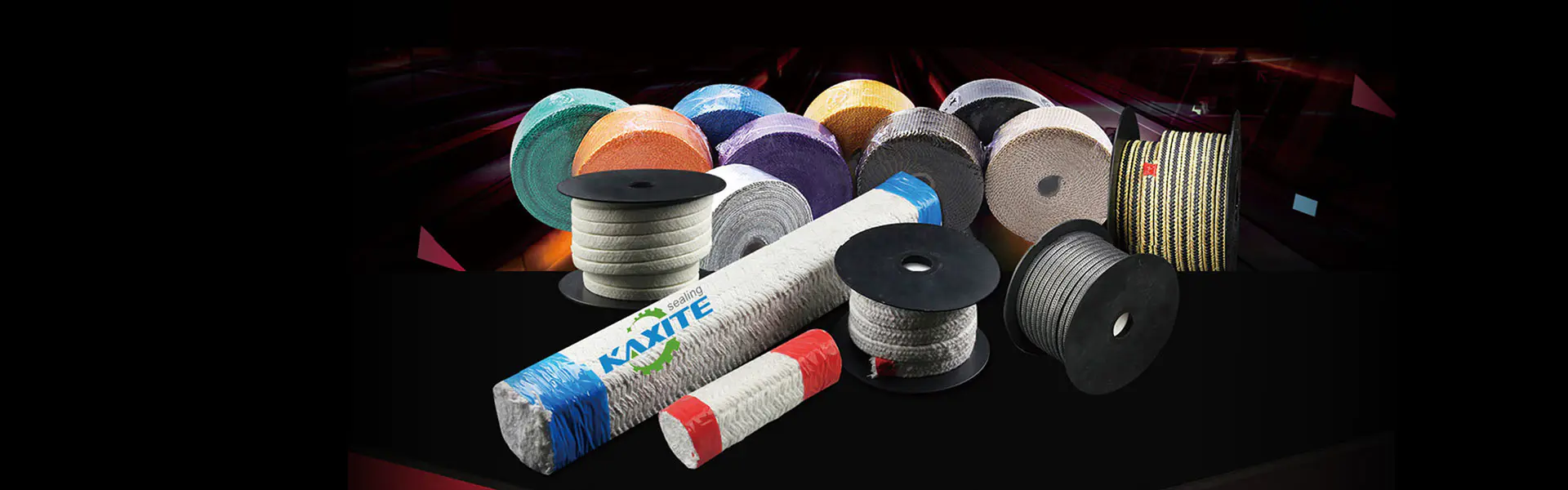
In the demanding world of industrial sealing, reliability and performance are non-negotiable. Kaxite Synthetic Fiber Packing represents a pinnacle of engineered sealing solutions, designed for applications where traditional materials fall short. Unlike generic packing, Kaxite's formulations are developed using advanced synthetic fibers—such as aramid, carbon, PTFE, and fiberglass—impregnated with specialized lubricants and sealants. This creates a robust, versatile sealing element capable of handling extreme pressures, aggressive chemicals, and high temperatures with consistent leak control. For engineers and maintenance professionals, choosing Kaxite means opting for extended mean time between failures (MTBF), reduced total cost of ownership through less frequent replacements, and enhanced safety across your fluid handling systems.
Selecting the correct packing is critical for optimal performance. Kaxite offers a range of synthetic fiber packing grades, each tailored for specific service conditions. Below are the detailed parameters for our flagship series.
| Grade Code | Primary Fiber | Binder/Lubricant | Temp. Range (°C) | pH Range | Max. Pressure (BAR) | Max. Shaft Speed (m/s) | Typical Applications |
|---|---|---|---|---|---|---|---|
| KX-SP100 | PTFE Filament | PTFE & Food-Grade Lubricant | -200 to +260 | 0-14 | 120 | 20 | Food & Beverage, Pharmaceutical, Chemical Pumps |
| KX-SP200 | High-Strength Aramid | PTFE & Synthetic Oil | -50 to +290 | 2-12 | 180 | 25 | General Chemical, Hot Water, Boiler Feed Pumps |
| KX-SP300 | Carbon Fiber | PTFE & Graphite | -100 to +315 | 0-14 (excluding strong oxidizers) | 250 | 18 | High-Temperature Valves, Autoclaves, Aggressive Chemicals |
| Grade Code | Construction | Core Material | Temp. Range (°C) | Max. Pressure (BAR) | Special Feature | Targeted Use |
|---|---|---|---|---|---|---|
| KX-HD450 | Braided over Inconel Core | Inconel Wire | Up to 650 | 300+ | Exceptional Thermal & Mechanical Shock Resistance | High-Pressure Steam Valves, Turbine Stem Sealing |
| KX-HD500 | Interbraided Aramid/Graphite | Flexible Graphite Foil | -200 to +450 | 200 | Self-Lubricating, High Conformability | Severe Service Agitators, Mixers, High-Speed Pumps |
Q: What is the main difference between synthetic fiber packing and traditional asbestos or flax packing?
A: Traditional packings like asbestos (now largely obsolete due to health risks) and flax are organic materials with limited temperature and chemical resistance. Synthetic Fiber Packing, like those from Kaxite, uses engineered polymers and advanced fibers. This provides vastly superior performance: higher temperature limits, resistance to a wider range of chemicals, longer service life, and consistent sealing with less maintenance adjustment. They are also more environmentally friendly and safe to handle.
Q: How do I select the right Kaxite synthetic packing for my application?
A: Selection requires evaluating five key parameters: 1) Fluid Media (chemical compatibility is paramount), 2) Operating Temperature (both continuous and peak), 3) System Pressure, 4) Shaft/Sleeve Speed (surface feet per minute or m/s), and 5) Equipment Type (pump, valve, agitator). Cross-reference these with the specification tables above. For complex applications, consulting Kaxite's technical support with your exact operating conditions is recommended for a definitive grade selection.
Q: Can Kaxite synthetic packing be used in potable water or food processing applications?
A: Yes, specifically our KX-SP100 grade. It is manufactured from pure PTFE filament and impregnated with FDA-compliant, food-grade lubricants. It is certified for use in applications involving direct contact with food products and potable water, offering excellent hygiene and non-contaminating properties.
Q: What is the proper procedure for installing braided synthetic packing?
A: Correct installation is critical for performance. Key steps include: Clean the stuffing box and shaft thoroughly. Check for shaft wear or scoring. Cut packing rings squarely using a sharp blade or a mandrel for precision. Stagger the ring joints by 90 degrees around the shaft. Use a proper packing installation tool to seat each ring firmly and evenly. Tighten the gland follower hand-tight only for initial startup. After a short run-in period (15-30 minutes), re-tighten the gland slightly to achieve a minimal leakage rate (a few drops per minute for cooling/lubrication).
Q: How often should synthetic fiber packing be adjusted or replaced?
A: Adjustment frequency depends on the service conditions. A well-installed Kaxite packing in a standard service may require a slight adjustment after the initial run-in and then only occasionally. Replacement is typically needed when allowable leakage can no longer be controlled by gland adjustment, or during scheduled maintenance shutdowns. Under normal conditions, Kaxite packing offers a significantly longer service life compared to conventional materials, often lasting several months to years.
Q: Is a break-in period required for new synthetic packing?
A: Yes, a controlled break-in period is essential. It allows the packing to adapt to the micro-imperfections of the shaft/sleeve, the lubricants to distribute evenly, and the fibers to seat properly. Start the equipment with the gland nuts finger-tight. Allow it to run for 15-30 minutes, then tighten the gland incrementally (typically 1/6th of a turn per bolt) until the desired leakage control is achieved. Avoid overtightening, as it causes excessive heat, wear, and shaft damage.
Q: How does Kaxite packing handle abrasive slurries?
A: For mildly abrasive services, our standard grades like KX-SP200 with aramid fibers offer good resistance. For highly abrasive slurries, we recommend our heavy-duty grades or specially formulated composites. The key is the combination of extremely tough synthetic fibers and lubricants that form a protective layer, preventing abrasive particles from embedding and causing excessive shaft wear. Flush plans may also be recommended to keep the abrasive particles away from the packing area.
Q: Are there any chemicals that are incompatible with synthetic fiber packing?
A> While Kaxite synthetic packings have broad chemical resistance, compatibility must always be verified. Strong oxidizing agents (e.g., concentrated nitric acid, hydrogen peroxide above certain concentrations) and some highly reactive chemicals at elevated temperatures can attack certain fiber types or lubricants. Always consult the Kaxite Chemical Resistance Guide or our technical team for your specific media, concentration, and temperature.
Q: Can this packing be used on rotating and reciprocating equipment?
A: Absolutely. Kaxite Synthetic Fiber Packing is engineered for dynamic sealing applications. The braided construction provides the necessary flexibility and resilience for both rotary motion (pumps, mixers) and reciprocating motion (valve stems, plunger pumps). The selection of the specific grade (e.g., SP series for general rotary, HD series for high-pressure reciprocating) ensures optimal performance for the motion type and associated pressures.