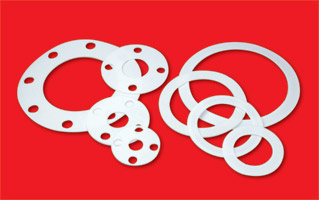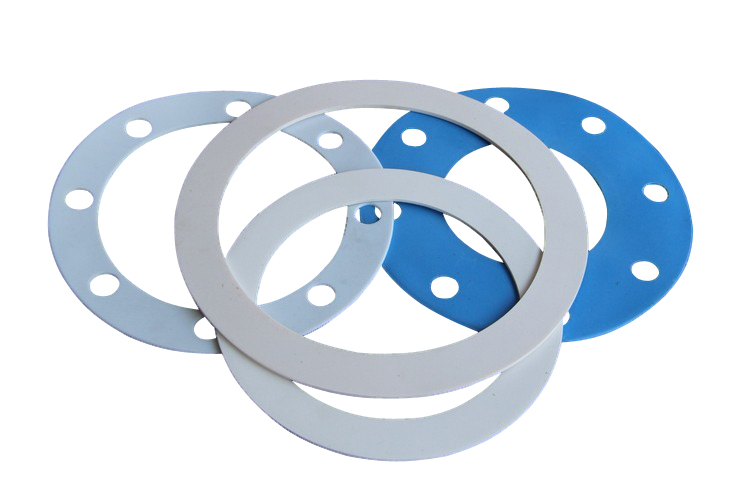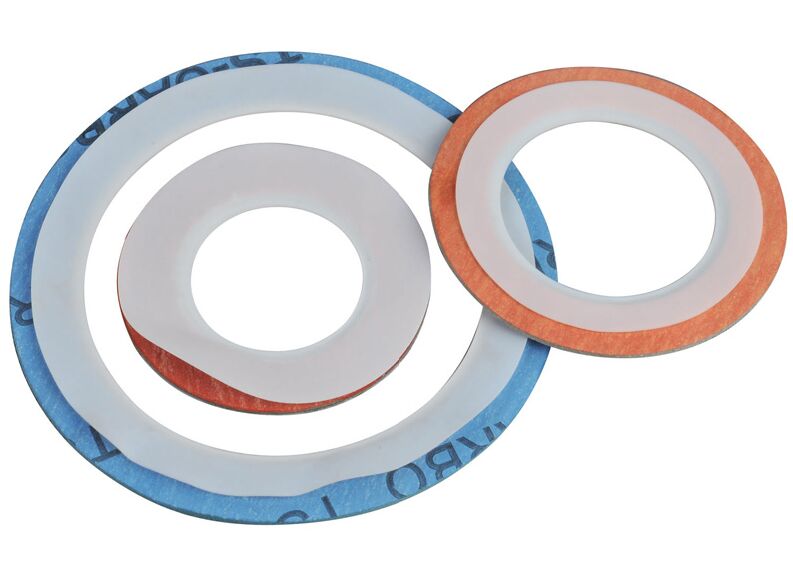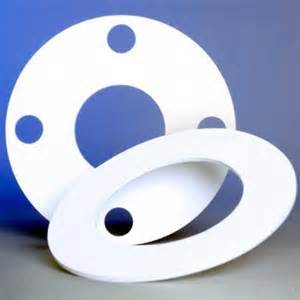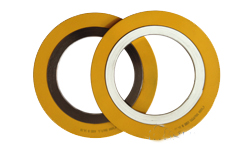
In the demanding world of industrial sealing, PTFE Gaskets stand as a benchmark for performance and reliability. Engineered from Polytetrafluoroethylene, a high-performance fluoropolymer, these gaskets offer an unparalleled combination of chemical resistance, thermal stability, and low friction. At Kaxite, we specialize in manufacturing premium-grade PTFE gaskets designed to meet the rigorous standards of modern industries. Whether you're sealing aggressive chemicals in a pharmaceutical process or ensuring a leak-free connection in high-purity food and beverage applications, our gaskets provide a durable, inert, and long-lasting solution. This guide delves into the technical specifications, applications, and advantages of choosing Kaxite PTFE gaskets for your critical sealing needs.
Kaxite PTFE gaskets are not just sealing components; they are engineered solutions for complex challenges. The inherent properties of PTFE material, combined with our precise manufacturing processes, deliver distinct advantages.
Understanding the precise capabilities of a sealing material is paramount for proper selection. Below are the detailed technical parameters for Kaxite's standard virgin PTFE material used in our gaskets.
| Property | Test Standard | Typical Value | Unit |
|---|---|---|---|
| Density | ASTM D792 | 2.15 - 2.20 | g/cm³ |
| Tensile Strength | ASTM D638 | 25 - 35 | MPa |
| Elongation at Break | ASTM D638 | 300 - 500 | % |
| Compression Set (24h @ 25°C) | ASTM D395 Method B | 40 - 50 | % |
| Continuous Service Temperature | - | -200 to +260 | °C |
| Thermal Conductivity | ASTM C177 | 0.25 | W/m·K |
| Coefficient of Friction (Dynamic) | ASTM D1894 | 0.05 - 0.10 | - |
| Dielectric Strength | ASTM D149 | > 60 | kV/mm |
In addition to the base material, Kaxite offers various PTFE gasket styles and configurations:
The versatility of Kaxite PTFE gaskets makes them indispensable across a broad spectrum of industries. Their primary role is to create a secure, leak-tight seal between two mating surfaces in piping, vessels, and equipment.
| Industry Sector | Typical Applications | Key Benefit Utilized |
|---|---|---|
| Chemical Processing | Reactor flanges, pump housings, valve bonnets, pipe flanges carrying acids, alkalis, and solvents. | Universal Chemical Resistance |
| Pharmaceutical & Biotech | Fermentation tanks, chromatography systems, clean-in-place (CIP) systems, API synthesis lines. | High Purity, Non-contaminating, Steam Sterilizable |
| Food & Beverage | Fillers, blenders, pasteurizers, homogenizers, syrup and ingredient lines. | FDA Compliance, Non-stick, Easy Cleanability |
| Semiconductor Manufacturing | Wafer processing equipment, wet benches, gas delivery systems, high-purity chemical lines. | Ultra-high Purity, Low Particle Generation, Chemical Resistance |
| Oil & Gas (Downstream) | Refinery process lines handling catalysts, chlorides, and sour service with H2S. | Resistance to Sour Gas and Aggressive Hydrocarbons |
| Industrial Piping & Valves | General service flanges, expansion joints, heat exchangers, and as a universal replacement gasket. | Wide Temperature Range, Long Service Life |
Q: What does PTFE stand for, and what is it commonly known as?
A: PTFE stands for Polytetrafluoroethylene. It is most famously known by the brand name Teflon®, which is a registered trademark of Chemours. Kaxite manufactures gaskets from high-quality, non-branded virgin PTFE resins that meet or exceed the performance characteristics of branded materials.
Q: Can Kaxite PTFE gaskets be used for both high-pressure and vacuum applications?
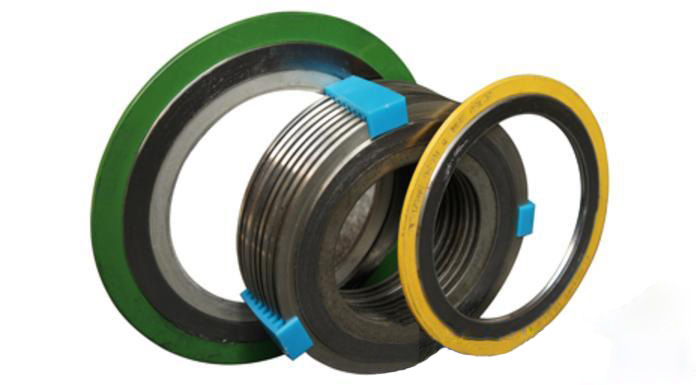
A: Yes, they are suitable for a range of pressure applications. For standard flanged connections, they perform well at moderate pressures. For high-pressure or full vacuum services, specific designs like envelope gaskets or Kammprofile gaskets with a PTFE sealing layer are recommended from Kaxite, as they provide better resistance to creep and blow-out under extreme pressure differentials.
Q: How do I select the right thickness for a PTFE gasket?
A: Gasket thickness depends on flange conditions, pressure, and temperature. A common range is 1.5mm (1/16") to 3.0mm (1/8"). Thinner gaskets (1.5mm) offer lower creep relaxation, while thicker ones (3.0mm) can better compensate for flange misalignment or surface imperfections. Our Kaxite technical team can advise based on your specific ASME flange rating and service conditions.
Q: Are there any chemicals that can attack or degrade PTFE?
A: Virgin PTFE is resistant to virtually all industrial chemicals. The only known exceptions are extremely reactive substances like molten alkali metals (e.g., sodium, potassium) and certain fluorine compounds under high temperature and pressure. For nearly all other chemical services, Kaxite PTFE gaskets are an excellent choice.
Q: What is the difference between "virgin" PTFE and "reprocessed" PTFE in gaskets?
A: Virgin PTFE is made directly from polymerized resin and offers the highest purity, consistency, and mechanical properties. Reprocessed PTFE is made from recycled or reground PTFE material, which may contain contaminants and has reduced mechanical strength and chemical resistance. Kaxite uses only 100% virgin PTFE to ensure maximum performance and reliability in critical applications.
Q: How should PTFE gaskets be installed and torqued?
A: Proper installation is key. Ensure flanges are clean, aligned, and undamaged. Place the gasket centered on the flange face. Use a crisscross bolt tightening pattern (star pattern) in multiple incremental steps to achieve the final target torque value. This ensures even compression and prevents distortion. Refer to ASME PCC-1 guidelines or consult Kaxite for specific torque recommendations based on your gasket type and size.
Q: Can Kaxite produce custom-shaped PTFE gaskets?
A: Absolutely. Kaxite specializes in custom fabrication. We can produce gaskets in any shape—oval, rectangular, irregular—from our PTFE sheets using CNC cutting, waterjet cutting, or molding techniques. Simply provide us with a drawing, sample, or precise dimensions, and we will manufacture to your exact specifications.
Q: Do PTFE gaskets require any special storage or handling?
A: PTFE is a robust material. Store Kaxite gaskets in a cool, dry place away from direct sunlight and dust. Avoid sharp bending or creasing, as this can create stress points. They do not have a shelf-life expiration if stored properly. Handle with clean gloves or hands to prevent contamination, especially for high-purity applications.