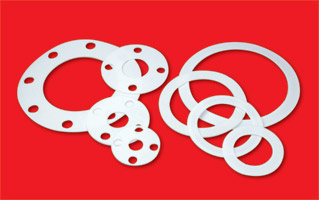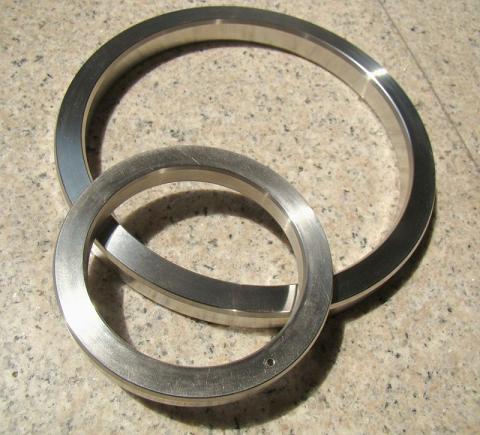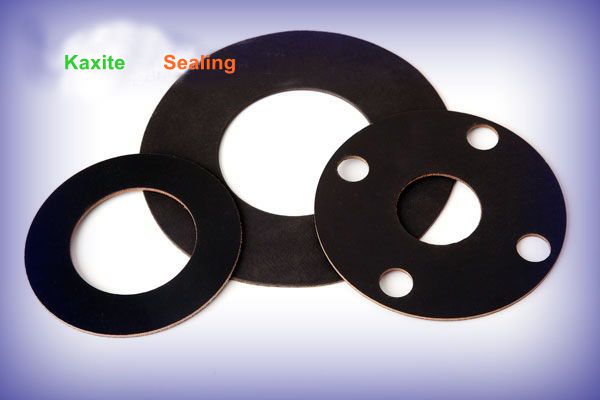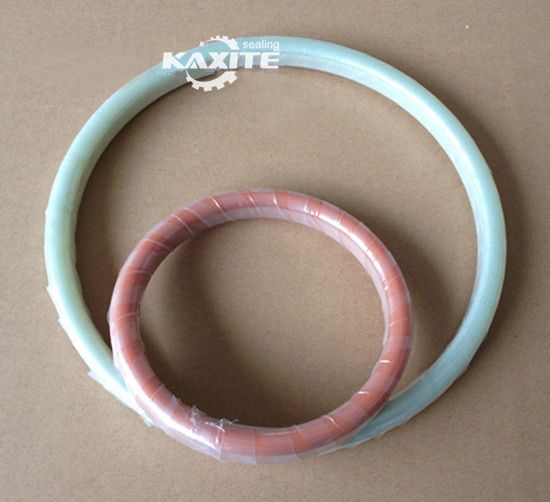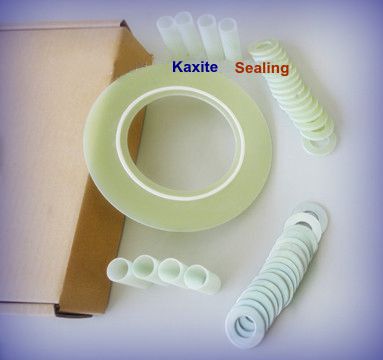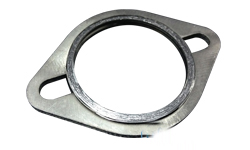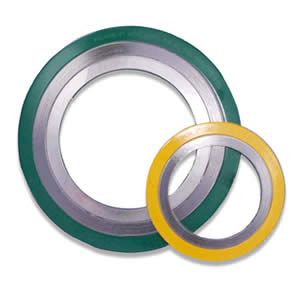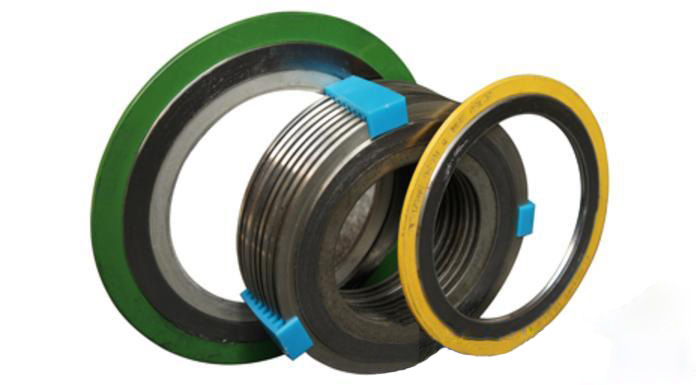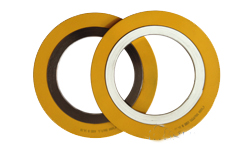
In the vast and complex world of industrial machinery and piping systems, the integrity of every connection is paramount. A Gaskets is a fundamental sealing component placed between two or more mating surfaces to prevent leakage from or into the joined objects while under compression. At Kaxite, we understand that a gasket is more than just a piece of material; it is a critical safety and performance component. For over two decades, our engineering team has dedicated itself to designing and manufacturing gaskets that meet the most demanding specifications across global industries, from oil and gas and chemical processing to power generation and pharmaceuticals.
Choosing the correct gasket is not a generic decision. It requires a deep understanding of the application's specific conditions, including temperature extremes, pressure fluctuations, and the chemical compatibility of the media being sealed. A failure in this small component can lead to significant downtime, safety hazards, environmental issues, and financial loss. This guide, backed by Kaxite's extensive expertise, will delve into the technical parameters, material science, and application best practices that define superior gasket performance.
Selecting the optimal gasket requires careful analysis of several interdependent parameters. Ignoring any one factor can compromise the entire seal. Below are the key considerations our Kaxite specialists evaluate for every client application.
Kaxite offers a comprehensive portfolio of gasket materials, each engineered for specific service conditions. The following table provides a technical comparison of our most commonly specified materials.
| Material Type | Max Temp (°C/°F) | Pressure Range | Key Chemical Resistance | Typical Applications | Kaxite Series Code |
|---|---|---|---|---|---|
| Compressed Non-Asbestos (CNA) | 400°C / 750°F | Medium to High | Steam, oils, mild acids, alkalis | General industrial piping, pumps, valves | KX-CNA200 |
| PTFE (Polytetrafluoroethylene) | 260°C / 500°F | Low to Medium | Excellent for nearly all aggressive chemicals | Chemical processing, pharmaceutical, food & beverage | KX-PTFE-G |
| Flexible Graphite | 500°C / 932°F (Inert) 350°C / 660°F (Oxidizing) | High | Excellent thermal conductivity, resistant to many corrosives (not strong oxidizers) | Heat exchangers, exhaust systems, high-temp flanges | KX-GRAF-S |
| Metal Jacketed (SS 304/316) | 800°C / 1472°F | Very High | Wide range, dependent on filler material (e.g., graphite, ceramic) | Refinery, high-pressure/temperature steam, turbine systems | KX-MJ-SS |
| EPDM Rubber | 120°C / 250°F | Low | Water, steam, alkalis, mild acids | Water treatment, HVAC, plumbing | KX-ELAST-E |
Q: What is the primary cause of gasket failure?
A: The most common cause is improper selection that does not account for all service conditions. This includes selecting a material incompatible with the process media, choosing a gasket rated for lower temperatures/pressures than the application requires, or using a style unsuitable for the flange type. Incorrect installation, such as uneven bolt torque, is also a major contributor to premature failure.
Q: How often should gaskets be replaced during routine maintenance?
A: There is no universal schedule, as it depends entirely on the operating conditions. Aggressive chemicals, thermal cycling, and constant vibration reduce service life. A best practice is to inspect gaskets during any planned shutdown or flange disassembly. Kaxite recommends replacement if the gasket shows signs of compression set, cracking, chemical attack, or creep. For critical applications, a preventive replacement schedule based on historical performance data is advised.
Q: Can I reuse a gasket once it has been compressed?
A: It is almost never recommended to reuse a gasket. Once compressed, a gasket has undergone permanent deformation to conform to the flange surface imperfections. Reusing it will not provide the same sealing performance, as its recovery properties are diminished, leading to a high probability of leakage. Kaxite always advocates for a new gasket with each assembly to ensure joint integrity.
Q: What is the difference between a gasket and an o-ring?
A: Both are sealing devices, but their applications differ. A gasket is typically a static seal used between two flat or slightly raised stationary surfaces (flanges). It is often cut from sheet material. An o-ring is a molded, elastomeric loop with a circular cross-section designed to fit into a machined groove, creating a seal in dynamic (moving) or static applications, often against radial or axial pressure.
Q: How do I determine the correct bolt torque for my gasket installation?
A: Correct bolt torque is critical to achieve the proper compression on the gasket without damaging the flanges or bolts. The required torque depends on the gasket material, size, and the bolt grade/size. Kaxite provides detailed installation guidelines, including recommended seating stress values and torque sequences, with all our products. Following a star-pattern torque sequence and achieving uniform, gradual compression is as important as the final torque value.
Q: Why should I choose Kaxite gaskets over other brands?
A: Kaxite combines two decades of material science expertise with rigorous quality control. Our gaskets are not commodity items; they are precision-engineered. We offer extensive technical support from selection through installation, provide full material traceability and certification, and manufacture with consistent quality to ensure reliable performance in your specific application, reducing risk and total cost of ownership.
Even the highest-quality Kaxite gasket can fail if installed incorrectly. Adhering to these best practices maximizes performance and safety.