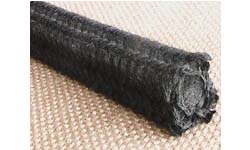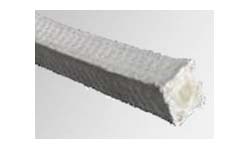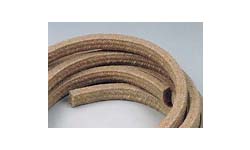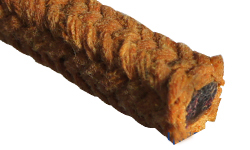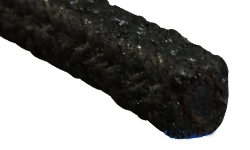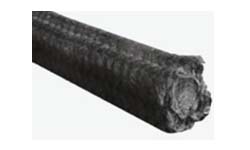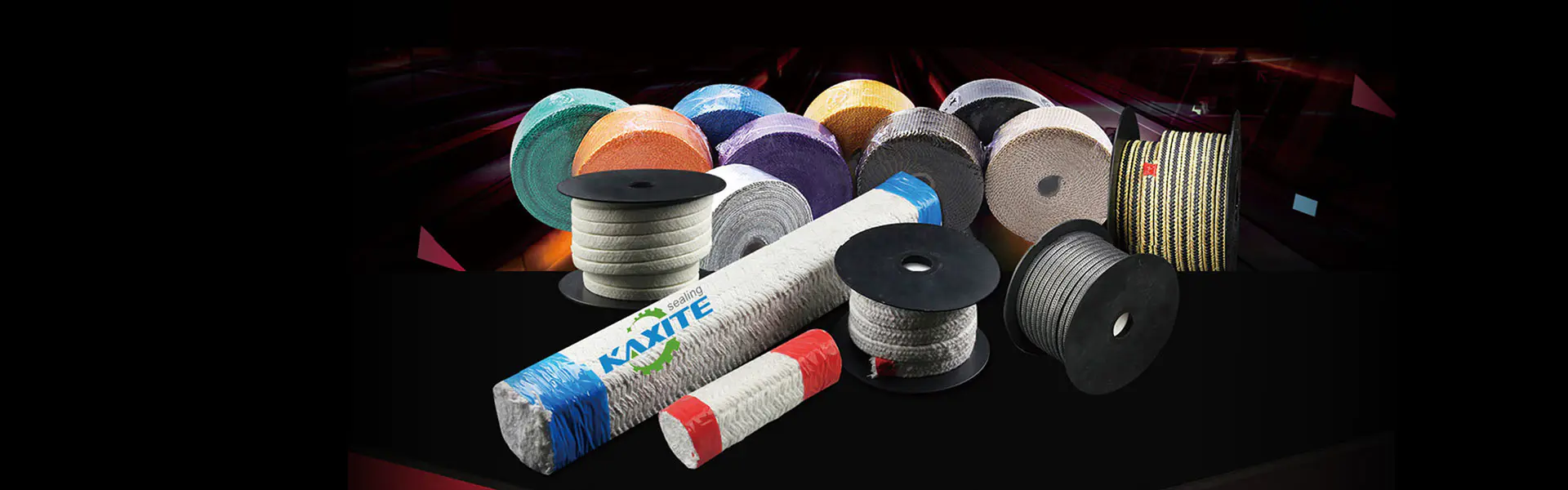
Vegetable fiber packing, also known as plant fiber cushioning, represents the pinnacle of sustainable and high-performance protective packaging. As industries and consumers globally pivot towards eco-conscious solutions, this material stands out for its unique combination of environmental responsibility and exceptional technical capabilities. Kaxite has been at the forefront of innovating and manufacturing premium-grade vegetable fiber packing, engineering it to meet the rigorous demands of modern logistics, electronics, automotive, and luxury goods sectors.
Derived from renewable plant-based sources such as sugarcane bagasse, bamboo, wheat straw, and recycled paper pulp, Kaxite's vegetable fiber packing is a testament to circular economy principles. It is fully biodegradable, compostable, and recyclable, offering a clear end-of-life advantage over synthetic foams like EPS (Styrofoam) and polyethylene. Beyond its green credentials, its superior cushioning, static dissipation, and customizability make it an indispensable choice for businesses aiming to enhance their brand image and supply chain resilience.
The decision to integrate sustainable packaging is both an environmental and a strategic business move. Kaxite's solution offers multifaceted benefits:
Kaxite vegetable fiber packing is engineered to precise standards. Below are the key parameters that define our product range.
| Parameter | Standard Value / Range | Test Method / Notes |
|---|---|---|
| Base Material | Sugarcane Bagasse, Bamboo Fiber, Recycled Paper Pulp | Custom blends available |
| Bulk Density | 50 - 120 kg/m³ | ASTM D1622 |
| Compressive Strength (at 10% strain) | 20 - 80 kPa | ASTM D1621 |
| Static Decay Rate | < 2.0 seconds | ANSI/ESD S11.11 (Typically meets ESD Class 0) |
| Surface Resistance | 10^6 - 10^9 ohms/sq | ANSI/ESD S11.11 |
| Operating Temperature Range | -20°C to +80°C | Short-term peaks up to 100°C possible |
| Water Absorption (24h immersion) | < 15% by weight | ASTM D570 (Can be treated for lower absorption) |
| Biodegradation Time (Industrial Compost) | 60 - 90 days | ASTM D6400 / EN 13432 Certified |
| Flammability | Class B (Slow Burning) | UL 94 / Can be treated for Class A |
| pH Value | 6.5 - 8.0 (Neutral) | ASTM E70; Non-corrosive to metals |
Kaxite provides vegetable fiber packing in various forms to suit diverse application needs.
| Form Factor | Standard Sizes | Common Applications |
|---|---|---|
| Flat Sheets | 1000mm x 2000mm, 1200mm x 2400mm; Thickness: 3mm, 5mm, 10mm, 20mm | Box lining, interleaving, surface protection panels |
| Rolls | Width: 500mm, 1000mm; Length: 50m, 100m; Thickness: 2mm, 3mm, 5mm | Automated wrapping, continuous production lines |
| Die-Cut Parts | Custom to customer CAD drawing. Minimum quantity applies. | Electronics packaging, medical device trays, bottle shippers |
| Molded Corner Protectors | Standard lengths: 600mm, 1200mm; Various angles (90°, 135°) | Furniture, glass panels, metal extrusion protection | Loose Fill | Bag sizes: 10L, 25L, 50L. Noodle diameter: ~6mm | E-commerce fulfillment, retail box void fill |
Q: What exactly is vegetable fiber packing made from?
A: Kaxite vegetable fiber packing is primarily manufactured from agricultural by-products like sugarcane bagasse (the fibrous residue after juice extraction) and bamboo fiber. We also utilize post-consumer recycled paper pulp. These natural fibers are processed, refined, and molded under heat and pressure without toxic binders, creating a strong, resilient, and fully compostable material.
Q: How does its protective ability compare to traditional plastic foams like EPS?
A: In many key metrics, it performs equivalently or better. It offers excellent cushioning and energy absorption, effectively protecting against shocks and vibrations during transit. Its surface is naturally softer than molded plastic, providing superior scratch protection. Furthermore, its inherent static-dissipative properties offer built-in protection for electronics, a feature EPS lacks unless chemically treated.
Q: Is it truly waterproof and moisture-resistant?
A: The standard material is hygroscopic, meaning it can absorb moisture from the air. For short-term shipping and standard conditions, it provides adequate protection. For prolonged exposure to high humidity or direct contact with liquids, Kaxite offers treated versions with bio-based moisture-resistant coatings that significantly reduce water absorption while maintaining compostability.
Q: Can it be used for heavy industrial parts or fragile luxury items?
A: Absolutely. The density and thickness can be precisely engineered. For heavy parts, higher-density molded corner protectors and thick pads distribute weight and prevent movement. For fragile items like glassware or high-end electronics, custom-molded inserts with a soft surface cradle the product securely. Kaxite works with clients to design the optimal solution for any weight or fragility level.
Q: How does the cost compare to conventional packaging foams?
A: Initially, the raw material cost can be slightly higher than mass-produced EPS. However, the total cost of ownership (TCO) is often competitive or lower. Factors reducing TCO include elimination of plastic packaging taxes (increasingly common in the EU and other regions), potential savings from reduced shipping weight, enhanced brand value leading to sales uplift, and avoidance of end-of-life disposal fees associated with synthetic waste.
Q: What certifications does Kaxite vegetable fiber packing hold?
A: Our materials are certified compostable under international standards such as ASTM D6400 (USA) and EN 13432 (EU). They are also certified for static control (ESD) per ANSI/ESD S11.11. We can provide materials with FSC (Forest Stewardship Council) certification for recycled content. Certifications for specific food contact or heavy metal restrictions (e.g., EU REACH, RoHS) are available upon request for relevant grades.
Q: How do we dispose of or recycle vegetable fiber packing after use?
A: The end-of-life options are straightforward and environmentally sound. In regions with industrial composting facilities, it can be composted, breaking down into organic matter within months. It is also fully recyclable with paper and cardboard in standard recycling streams. As a last resort, it can be safely incinerated for energy recovery without releasing toxic fumes. Kaxite provides clear end-of-life guidance on its packaging or website.
Q: Can we print our logo or branding directly onto the packing material?
A: Yes. Kaxite's material accepts various eco-friendly printing techniques, including water-based ink printing and hot foil stamping. This allows companies to directly brand their protective packaging, reinforcing their sustainability commitment to the end-user. We offer sampling to ensure print quality meets brand standards.
Q: What are the minimum order quantities (MOQs) for custom shapes?
A: MOQs depend on the complexity of the tooling required (e.g., die-cut vs. custom mold). For standard die-cut sheets or simple shapes, MOQs can start as low as a few thousand pieces. For complex 3D-molded parts requiring dedicated molds, higher initial quantities are typical to amortize tooling costs. Our engineering team consults on design for manufacturability to help optimize costs even at moderate volumes.
Q: How does Kaxite ensure consistent quality and supply of raw materials?
A: Kaxite maintains long-term partnerships with trusted suppliers of agricultural by-products, ensuring a stable and ethical supply chain. Our manufacturing facilities implement rigorous quality control (QC) protocols, including inbound raw material inspection, in-process checks, and final product testing against key parameters like density, strength, and ESD performance. Batch consistency is a cornerstone of our production philosophy.