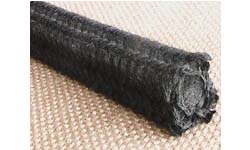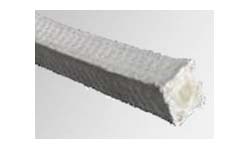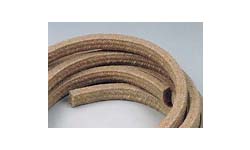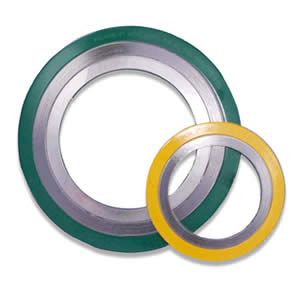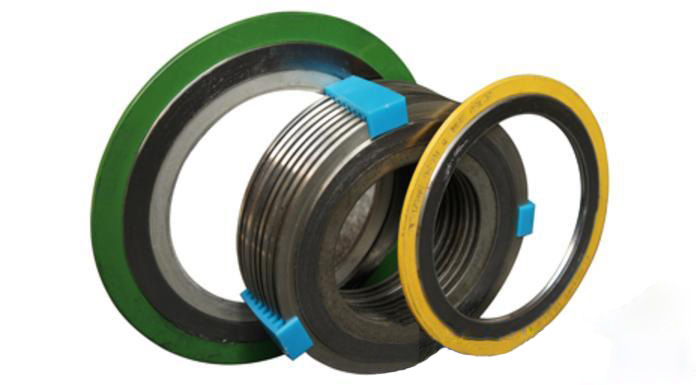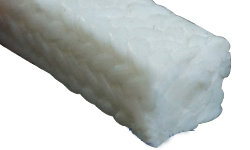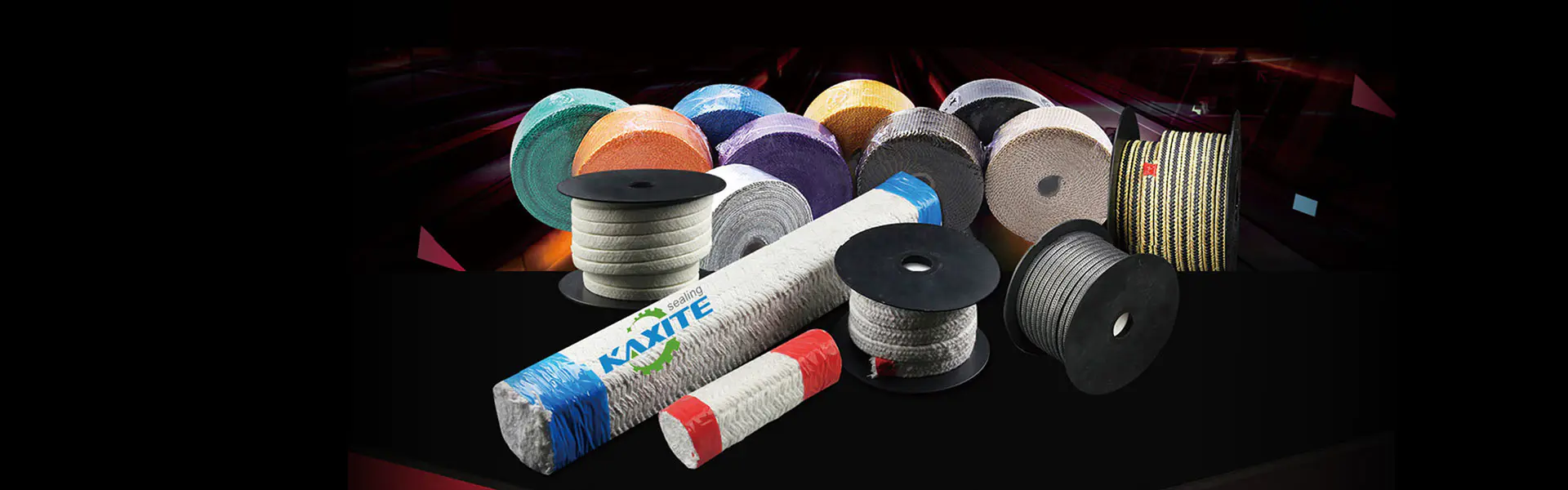
Braided packing, a cornerstone of industrial sealing technology, is a mechanical seal used extensively to prevent leakage of fluids—liquids or gases—from pumps, valves, agitators, and other rotating or reciprocating equipment. Unlike gaskets used for static applications, braided packing is designed for dynamic sealing, meaning it seals around moving parts. Its construction involves braiding fibrous materials, such as graphite, aramid, PTFE, or fiberglass, around a core or with lubricants to create a pliable yet durable rope or ring. The primary function is to fill the space between the moving shaft (or stem) and the stationary housing, controlling leakage with minimal friction. For operations ranging from chemical processing and water treatment to power generation and marine applications, selecting the correct braided packing is critical for efficiency, safety, and cost-effectiveness. At Kaxite, we engineer our braided packing solutions to meet the most demanding specifications, ensuring longevity and reliability in even the harshest environments.
Kaxite's braided packing is manufactured with precision, using high-grade materials and advanced braiding techniques. Our products are designed to offer superior performance characterized by low leakage, reduced shaft wear, excellent thermal conductivity, and chemical resistance. Below are the critical features and parameters that define our product range.
| Kaxite Product Code | Primary Material | Construction | Temperature Range (°F / °C) | Pressure Max (psi / bar) | pH Range | Key Applications |
|---|---|---|---|---|---|---|
| KX-GF1200 | Reinforced Graphite Filament | Interlocked Braid | -100 to 1200°F / -73 to 650°C | 2500 / 172 | 0-14 | Boiler feed pumps, high-temperature valves, autoclaves |
| KX-PT450 | 100% PTFE with Lubricant | Square Braid | -450 to 500°F / -268 to 260°C | 1500 / 103 | 0-14 | Chemical pumps, food & beverage, pharmaceutical, ultrapure water |
| KX-AR280 | Aramid Fiber with PTFE Impregnation | Braid-over-Braid | -50 to 550°F / -46 to 288°C | 1800 / 124 | 2-12 | General service pumps, mixers, paper stock, marine shaft seals |
| KX-GL700 | Fiberglass with Graphite | Square Braid | -100 to 700°F / -73 to 371°C | 1200 / 83 | 0-14 | Hot water, mild acids and alkalis, steam services |
Q: How do I select the right braided packing for my application?
A: Selection depends on four key factors: the fluid being sealed (chemical compatibility), operating temperature and pressure, shaft speed (PV value), and equipment type (pump, valve, etc.). First, identify the chemical properties and temperature extremes. Then, consider the pressure and motion. For high-speed pumps, a low-friction, thermally conductive packing like Kaxite's KX-GF1200 is ideal. For aggressive chemicals, PTFE-based KX-PT450 is recommended. Always consult the equipment manual and consider reaching out to a Kaxite specialist for a detailed analysis.
Q: What is the proper method for installing braided packing?
A: Correct installation is crucial for performance. Clean the stuffing box thoroughly. Measure the shaft/stem diameter and the box bore to calculate the correct packing cross-section. Use rings cut precisely on a mandrel or use pre-formed Kaxite die-rings. Stagger the ring joints by 90 degrees. Tighten the gland follower evenly and hand-tight only initially. After startup, allow a brief run-in period, then tighten the gland gradually until a slight weep of fluid is achieved for lubrication and cooling. Overtightening causes excessive heat and wear.
Q: How can I tell if my braided packing is failing and needs replacement?
A: Common signs of packing failure include a significant increase in leakage beyond a controlled weep, excessive heat generation at the stuffing box, visible powdering or extrusion of the packing material, and increased power consumption due to friction. If routine gland adjustment no longer controls leakage, it's a clear indicator that the packing set has worn and requires replacement to prevent damage to the shaft.
Q: Does braided packing require a break-in period?
A: Yes, a proper break-in or run-in period is essential. After installation, start the equipment and run it for 10-30 minutes. Then, gently re-tighten the gland nuts to compensate for initial compression and seating of the rings. This process may need to be repeated a few times over the first several hours of operation. The goal is to achieve a slight, steady drip for lubrication (unless sealing a gas or hazardous fluid where no leak is permitted). This break-in ensures the packing conforms properly and operates at optimal temperature.
Q: What are the advantages of using braided packing over mechanical seals?
A: Braided packing offers several distinct advantages: it is generally more cost-effective upfront and for inventory, it is more forgiving of shaft runout and misalignment, it allows for adjustable leakage control (which can be a safety feature for cooling/lubrication), and repairs or adjustments can often be made without stopping the equipment (in certain configurations). For older equipment, abrasive fluids, or applications where minor leakage is acceptable, braided packing from Kaxite remains a robust and economical choice.
Q: Can Kaxite provide custom braided packing solutions?
A: Absolutely. At Kaxite, we pride ourselves on our engineering capabilities to develop custom braided packing solutions. We can work with specific material blends, unusual sizes (cross-sections and ring diameters), unique braiding patterns, and incorporate special lubricants or inhibitors to meet unique chemical, temperature, or regulatory requirements (e.g., FDA, USDA). Contact our technical team with your application details for a tailored proposal.