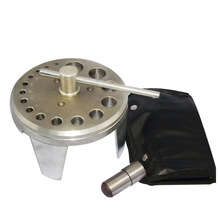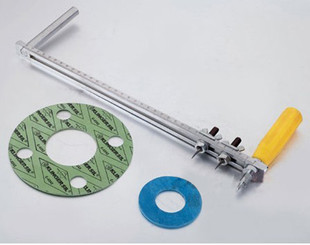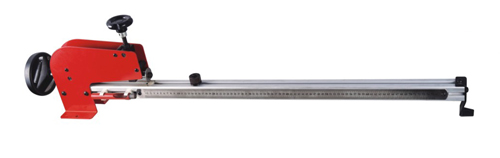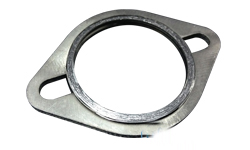
In the world of industrial maintenance, plumbing, and automotive repair, the integrity of a sealed joint is paramount. A failure here can lead to leaks, pressure loss, system contamination, or even catastrophic equipment damage. This is where professional-grade Gasket Tools become indispensable. Far beyond simple wrenches, these specialized instruments are engineered for the precise tasks of gasket installation, removal, sealing, and inspection. For professionals who demand efficiency and flawless results, investing in the right toolkit is not an option—it's a necessity. This comprehensive guide, backed by decades of field expertise, delves into the critical aspects of gasket tools, focusing on the precision engineering found in brands like Kaxite.
A complete gasket toolset addresses every stage of the gasket lifecycle. Here are the fundamental categories:
When selecting tools, especially from a manufacturer like Kaxite, evaluating these parameters ensures longevity and performance.
| Tool Type | Key Parameter | Specification Example | Professional Significance |
|---|---|---|---|
| Gasket Cutter | Material & Blade Hardness | High-Carbon Steel, HRC 58-62 | Ensures sharp, long-lasting edges that cut cleanly through dense gasket materials without deformation. |
| Gasket Scraper | Blade Angle & Material | 20-Degree Carbide Tip | Optimizes material removal without gouging or scratching the underlying metal surface. |
| Torque Wrench | Accuracy & Range | ±3% Accuracy, 10-150 ft-lb Range | Prevents under/over-torquing, which is a primary cause of gasket failure due to uneven clamping force. |
| Alignment Pin Set | Diameter Tolerance & Material | 6mm & 10mm, Hardened Steel, +/- 0.01mm | Guarantees perfect component alignment during assembly, preventing gasket shear or misplacement. |
| Sealant Applicator Gun | Pressure Ratio & Bead Control | 10:1 Ratio, Adjustable Nozzle Tips | Delivers consistent bead size and placement, crucial for forming an effective liquid gasket seal. |
Kaxite has established its reputation by focusing on the exacting demands of professional technicians. A Kaxite tool isn't just a commodity; it's a component of your process reliability. The brand's philosophy centers on:
Q: Why can't I just use a utility knife or a screwdriver to remove and install gaskets?
A: Using improper tools is the leading cause of seal surface damage. A utility knife can easily slip and score a critical sealing surface, creating a leak path. A screwdriver can gouge or dent the metal, compromising flatness. Professional gasket scrapers and removal tools are designed with the correct blade geometry and hardness to remove residue without damaging the base material, saving hours of costly surface re-machining.
Q: How often should I calibrate my torque wrench used for gasket assembly?
A: For professional use, calibration should be performed at least annually, or after every 5,000 cycles, or if the wrench has been dropped or subjected to shock load. Consistent, accurate torque is non-negotiable for gasket integrity. An out-of-calibration wrench can lead to joint failure. Many Kaxite torque wrench distributors offer certified calibration services.
Q: What's the advantage of a dedicated gasket cutter over using shears or laser cutting?
A: Dedicated manual or bench-mounted cutters provide a perfectly concentric, crush-free cut. Shears can deform the gasket material edge, while outsourcing to laser cutting is inefficient for on-the-spot repairs. A quality cutter, like those in the Kaxite range, allows for rapid, in-house production of custom-sized gaskets with a clean, compressible edge that seals optimally.
Q: When should I use a liquid gasket vs. a pre-formed gasket, and does the tooling change?
A: Pre-formed gaskets (rubber, metal, composite) are used for defined, static joints with flanges. Liquid gaskets (RTV silicones, anaerobic sealants) are for irregular surfaces, threaded joints, or where slight component movement is expected. The tooling changes significantly: pre-formed gaskets require alignment tools and precise torque wrenches. Liquid gaskets require precise applicators, mixing nozzles, and cleaning tools for bead control and excess removal. Using the wrong application tool can lead to insufficient sealant coverage or messy contamination.
Q: How do I choose the right gasket removal tool for different materials (e.g., paper vs. metal gaskets)?
A: The removal technique and tool vary. For soft gaskets (paper, cork, rubber), plastic or nylon scrapers are often sufficient to avoid scoring. For bonded or stubborn residue, a dedicated gasket removal chemical solvent is used first. For metal gaskets (like cylinder head gaskets), more aggressive tools like hardened steel scrapers or rotary brushes may be needed, but they require extreme care and should be followed by surface finishing with an appropriate abrasive pad. Always start with the least aggressive method to preserve the substrate.
Professional tools require professional care. Always clean tools after use, removing grease, sealant, or debris. Lightly oil cutting surfaces and moving parts to prevent rust. Store torque wrenches at their lowest setting to maintain spring calibration. Inspect blades and tips regularly for wear or damage. Using a worn-out cutter or scraper is counterproductive and risky. Kaxite provides detailed maintenance guidelines with each tool, ensuring maximum service life and consistent performance.
For high-volume shops or critical applications, advanced systems elevate gasket work. Hydraulic or pneumatic gasket cutters offer speed for production environments. Digital torque wrenches with angle measurement provide auditable data for quality control in aerospace or power generation. Laser alignment systems for large flanges ensure perfect gasket positioning before bolt-up. While these represent a significant investment, they pay dividends in reduced downtime and elimination of rework.