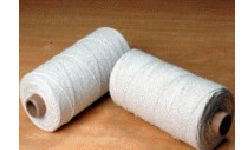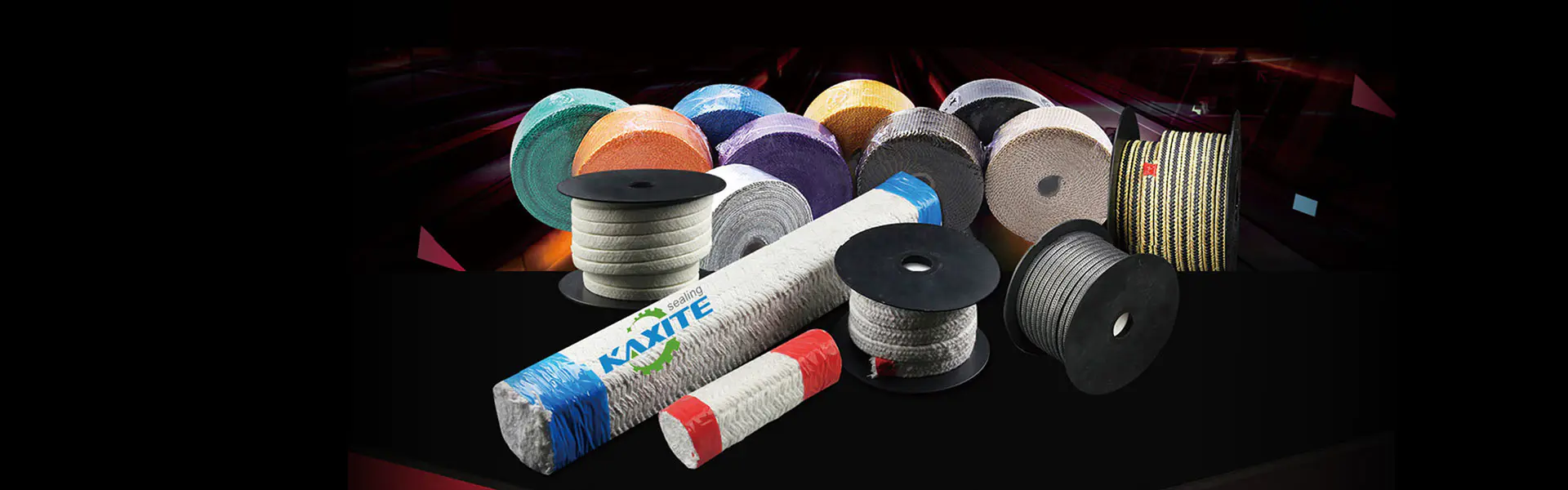
Polytetrafluoroethylene fiber, commonly known as PTFE Fiber, is a high-performance synthetic material engineered from the polymerization of tetrafluoroethylene. Renowned for its exceptional chemical resistance, thermal stability, and low friction properties, PTFE fiber is a cornerstone material in demanding industrial, aerospace, filtration, and sealing applications. Unlike standard fibers, PTFE Fiber maintains its integrity and performance across an extreme range of temperatures and hostile environments where other materials would degrade or fail. At Kaxite, we specialize in producing high-purity, consistently reliable PTFE fiber designed to meet the most stringent specifications and empower innovation across global industries.
Understanding the precise specifications of PTFE Fiber is crucial for selecting the right material for your application. Kaxite's product line is characterized by its superior quality and controlled parameters. Below are the detailed specifications presented for clarity and professional reference.
| Property | Specification / Range | Significance |
|---|---|---|
| Continuous Service Temperature | -260°C to +260°C (-436°F to +500°F) | Performs reliably in cryogenic and high-heat environments without brittleness or melting. |
| Melting Point | Approximately 327°C (621°F) | Indicates exceptional thermal stability. |
| LOI (Limiting Oxygen Index) | >95% | Inherently non-flammable; will not support combustion in air. |
| Chemical Resistance | Resistant to virtually all industrial chemicals and solvents. | Ideal for gaskets, seals, and filtration in corrosive chemical processing. |
| Dielectric Strength | Excellent insulator, even at high temperatures. | Suitable for high-temperature electrical insulation applications. |
| Grade Code | Primary Denier | Key Characteristics | Typical Applications |
|---|---|---|---|
| KX-PTFE-HS | 400, 800, 1200 | High Strength, Standard Elongation | High-performance sewing thread, industrial belts, reinforcement |
| KX-PTFE-LF | 200, 400, 600 | Low Friction, High Purity | Packings, bearings, low-friction liners, biomedical textiles |
| KX-PTFE-FIL | 1000, 2000, 3000 | High Bulk, Excellent Filtration Profile | Baghouse filter bags for hot gas filtration, membrane substrates |
| KX-PTFE-CM | Custom | Customized denier, color, or conductivity | Specialized aerospace, military, or R&D applications |
The unique property set of PTFE Fiber unlocks solutions across diverse sectors. Kaxite fibers are trusted by engineers and designers for critical functions.
Q: How does PTFE fiber differ from expanded PTFE (ePTFE) tape or sheet?
A: They are distinct forms. PTFE fiber is a continuous filament or staple fiber spun from PTFE polymer, designed to be woven, knitted, or braided into textiles and yarns. Expanded PTFE (ePTFE) is a membrane or tape created by stretching PTFE to create a microporous structure. While both share base properties, the fiber form offers superior tensile strength and flexibility for textile-based applications, whereas ePTFE is often used for membranes and sealants.
Q: Can PTFE fiber be dyed or colored?
A: Standard PTFE fiber is naturally white and is extremely difficult to dye using conventional processes due to its chemical inertness and low surface energy. At Kaxite, we offer pre-colored fibers (such as in our KX-PTFE-CM grade) where pigments are incorporated during the polymerization or spinning process, resulting in color-fast fibers that do not fade or leach, even under extreme conditions.
Q: What are the handling and storage recommendations for PTFE fiber?
A: PTFE fiber is robust but should be stored in a cool, dry, and clean environment away from direct sunlight. It is resistant to most elements, but keeping it free from dust and particulate contamination ensures optimal performance in sensitive applications like filtration. No special humidity controls are needed due to its near-zero moisture absorption. Standard textile handling equipment can be used.
Q: Is PTFE fiber safe for use in food contact or medical applications?
A: Yes, high-purity PTFE fiber like that produced by Kaxite is compliant with relevant FDA (Food and Drug Administration) and USP (United States Pharmacopeia) Class VI guidelines for material safety. Its inherent inertness means it does not react with food or bodily fluids and does not support microbial growth, making it suitable for food processing belts, packaging, and certain implantable medical device components. Specific grade certifications are available upon request.
Q: How does the cost of PTFE fiber compare to other high-performance fibers like Aramid or PBI?
A: PTFE fiber is generally positioned as a premium material. It can be more costly on a per-kilogram basis than some aramids but often provides a better lifecycle cost in extreme chemical or high-temperature environments due to its unparalleled durability and resistance. Compared to PBI (polybenzimidazole), which has a higher continuous temperature rating in oxidizing atmospheres, PTFE fiber often offers a more cost-effective solution for applications under 260°C where chemical resistance is paramount. Kaxite focuses on delivering value through consistent quality and performance reliability.
Q: Can PTFE fiber be blended with other fibers?
A: Technically, yes, but it is uncommon in core high-performance applications because blending can compromise the very properties (like chemical purity and thermal resistance) that make PTFE fiber valuable. In some specialized cases, it may be combined with glass or aramid fibers in composite yarns for specific property adjustments. However, for most sealing, filtration, and high-temperature uses, 100% Kaxite PTFE fiber is recommended to guarantee full performance.
Q: What weaving or knitting constructions are best suited for PTFE fiber fabrics?
A: PTFE fiber can be processed on standard weaving looms and knitting machines, though some adjustments for lubrication and tension may be needed. For filtration, a plain weave or felted non-woven construction is common. For high-strength packing, a braided or twisted construction is typical. Kaxite provides technical support and data sheets for our fibers to help manufacturers optimize their textile production processes for the best results.
Selecting a supplier for a critical material like PTFE Fiber goes beyond basic specifications. Kaxite has built a reputation over decades on pillars that matter to engineers and procurement specialists.