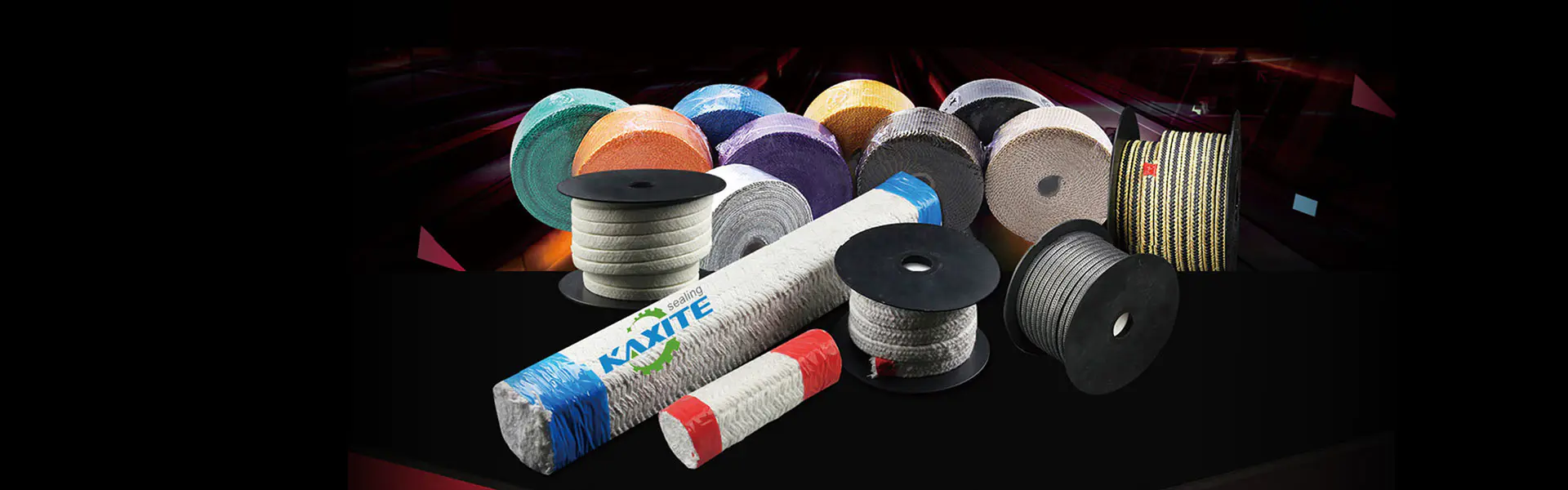
In the modern world, effective thermal management is a cornerstone of energy efficiency, cost savings, and occupant comfort in any structure. Insulation Products are engineered solutions designed to resist the flow of heat, sound, and sometimes moisture. For homeowners, architects, and builders, selecting the right insulation is not a trivial matter; it's a critical decision impacting a building's performance for decades. At Kaxite, we combine decades of material science expertise with a deep understanding of construction needs to provide superior insulation solutions that stand the test of time and climate.
The principle is simple: insulation creates a barrier that slows down the transfer of heat from a warm area to a cool area. In winter, it keeps heat inside; in summer, it blocks heat from entering. This fundamental action reduces the strain on HVAC systems, leading to significant energy conservation and lower utility bills. Beyond thermal performance, many modern insulation products also offer acoustic dampening, fire resistance, and improved air quality by minimizing drafts and condensation.
Kaxite offers a comprehensive portfolio of insulation materials, each formulated for specific applications and performance criteria. Our products are known for their consistent quality, high R-values, and ease of installation.
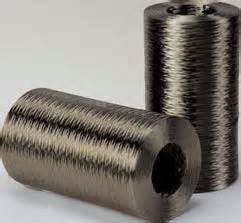
Our classic batt insulation, made from fine glass fibers, remains a top choice for standard frame construction in walls, attics, and floors.
A high-performance, air-sealing insulation that expands to fill cracks, gaps, and irregular cavities, creating an exceptional thermal and air barrier.
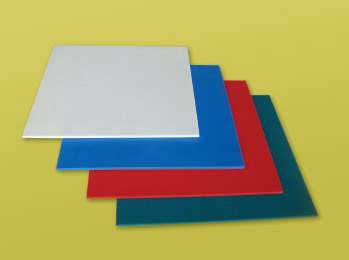
Rigid panels made from foam plastics, ideal for exterior sheathing, interior basement walls, and under siding.
| Product Type | Core Material | R-Value (Per Inch) | Moisture Resistance | Typical Thickness | Best For |
|---|---|---|---|---|---|
| Kaxite EPS (Expanded Polystyrene) | Bead foam | R-3.8 to R-4.4 | Good (requires protection) | 1" to 4" | Exterior walls (below grade), insulating concrete forms (ICFs). |
| Kaxite XPS (Extruded Polystyrene) | Extruded foam | R-5.0 | Excellent (high compressive strength, low water absorption) | 1/2" to 3" | Foundation walls, roofing assemblies, flooring underlayment. |
| Kaxite Polyiso (Polyisocyanurate) | Foam with foil facers | R-6.0 to R-6.5 | Good (foil facers act as vapor retarders) | 1/2" to 2" | Commercial roofs, exterior wall sheathing (requires thermal barrier). |
Composed of loose fibers or pellets, blown into attics or enclosed wall cavities using special equipment, perfect for retrofitting existing homes.
Understanding product specifications is crucial for making an informed choice. Here are the core metrics for Kaxite insulation products.
| Specification | Definition | Why It Matters | Kaxite Benchmark |
|---|---|---|---|
| R-Value | Thermal resistance. Higher numbers mean greater insulating power. | Directly correlates to energy savings. Required by building codes for different climate zones. | Among the highest in class for each product type, clearly labeled on packaging. |
| U-Factor | Thermal transmittance. The rate of heat loss. Lower numbers are better. | Critical for windows and doors, but also used in whole-wall assembly calculations. | Our systems are designed to achieve low whole-wall U-factors for maximum efficiency. |
| Air Permeability | How much air passes through the material or assembly. | Air leaks can undermine R-value. A tight building envelope is key to comfort and efficiency. | Kaxite ProFoam provides near-zero permeability. Our batts and boards are installed with sealing best practices. |
| Vapor Retarder | A material that limits the passage of water vapor. | Prevents condensation within walls, which can cause mold and structural damage. | Kaxite offers products with varying perm ratings. We provide guidance on proper placement for your climate. |
| Fire Rating & Smoke Developed | Measures material combustibility and smoke generation. | Essential for life safety and building code compliance. | All Kaxite products meet or exceed stringent ASTM and UL standards for fire safety. |
| Sound Transmission Class (STC) | Rating of how well a partition reduces airborne sound. | Higher STC means quieter interiors. Important for multi-family homes, media rooms, offices. | Kaxite AcoustiBlow and EcoBatt significantly improve wall and floor/celling assembly STC ratings. |
Q: What is the most important factor when choosing insulation?
A: The single most important factor is the R-value required for your specific climate zone and the part of the house you are insulating (wall, attic, etc.). Building codes specify minimums, but often, exceeding these minimums offers better long-term savings. The second critical factor is proper installation; even the best insulation underperforms if installed incorrectly with gaps or compression.
Q: What's the difference between faced and unfaced batt insulation?
A: Faced batts have a vapor retarder (usually kraft paper or foil) attached to one side. This facing helps control moisture migration. Unfaced batts have no such layer. Faced insulation is typically used in exterior walls where the facing should be placed towards the warm-in-winter side of the wall (usually the interior in cold climates). Unfaced batts are used when adding insulation over existing material or when a separate vapor retarder is being installed.
Q: Is spray foam insulation worth the higher cost?
A: Kaxite ProFoam spray foam insulation offers superior air sealing and a higher R-value per inch compared to traditional materials. For new construction or major renovations, it can be worth the investment because it creates a more comprehensive thermal envelope, leading to greater energy savings, reduced drafts, and potential downsizing of HVAC equipment. The long-term energy savings often offset the higher initial cost.
Q: Can I install insulation over existing insulation?
A: Yes, in many cases you can. In attics, adding a new layer of unfaced batts or loose-fill insulation perpendicular to the old layer is common. For walls, dense-pack cellulose or foam can be blown in. However, it's crucial to ensure the existing insulation is dry, mold-free, and not compacted. Also, avoid adding a vapor barrier between layers. A professional assessment from a Kaxite-certified installer is recommended.
Q: How does insulation contribute to a "green" or sustainable home?
A: High-performance insulation is foundational to green building. By drastically reducing the energy needed for heating and cooling, it lowers the home's carbon footprint. Many Kaxite products, like our cellulose-based AcoustiBlow, contain high recycled content. Furthermore, our foam products use next-generation blowing agents with lower global warming potential (GWP), aligning with our commitment to environmental responsibility.
Q: Does insulation help with soundproofing?
A: Absolutely. While primarily for thermal control, most insulation products also absorb sound waves, reducing noise transmission between rooms and from outside. Kaxite's dense products like cellulose loose-fill and fiberglass batts are particularly effective at improving Sound Transmission Class (STC) ratings in wall and floor assemblies.
Q: What safety precautions should I take when installing insulation myself?
A: Always wear appropriate personal protective equipment (PPE): long sleeves, pants, gloves, eye protection, and most importantly, a tight-fitting NIOSH-approved respirator mask (not a dust mask) to avoid inhaling fibers or particles. Ensure good ventilation in the workspace. Keep insulation away from heat sources and recessed light fixtures unless they are rated for insulation contact (IC). For spray foam, installation must be left to trained professionals.
Q: How long does insulation last?
A: Properly installed and kept dry, most insulation materials have a very long service life. Fiberglass, foam boards, and spray foam can last for the lifetime of the building. Cellulose may settle slightly over decades but remains effective. The key threats are moisture damage, pest infestation, or physical disturbance. Kaxite products are designed for durability and long-term performance.