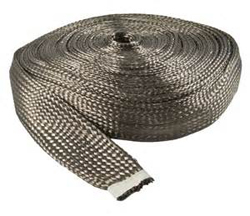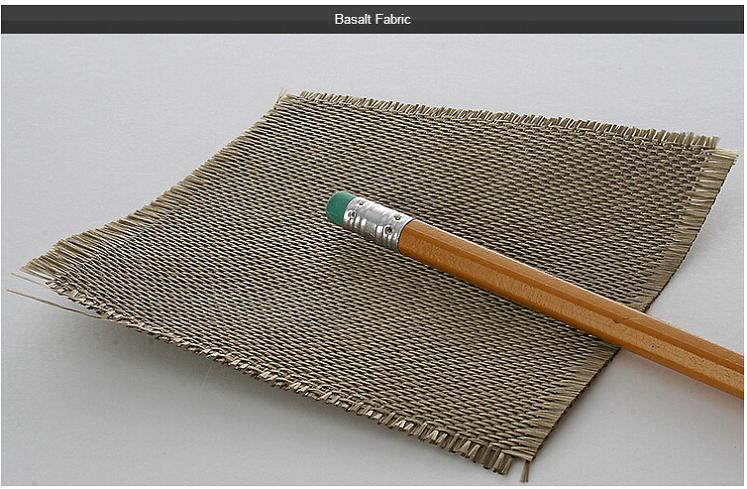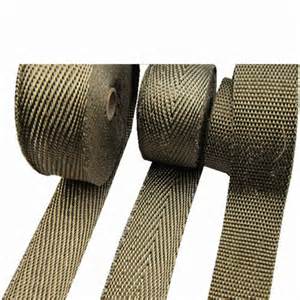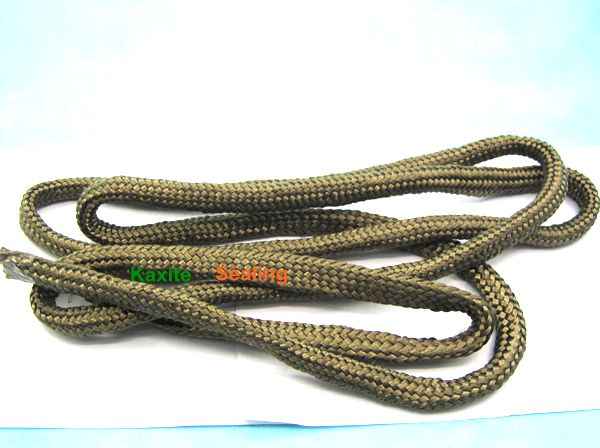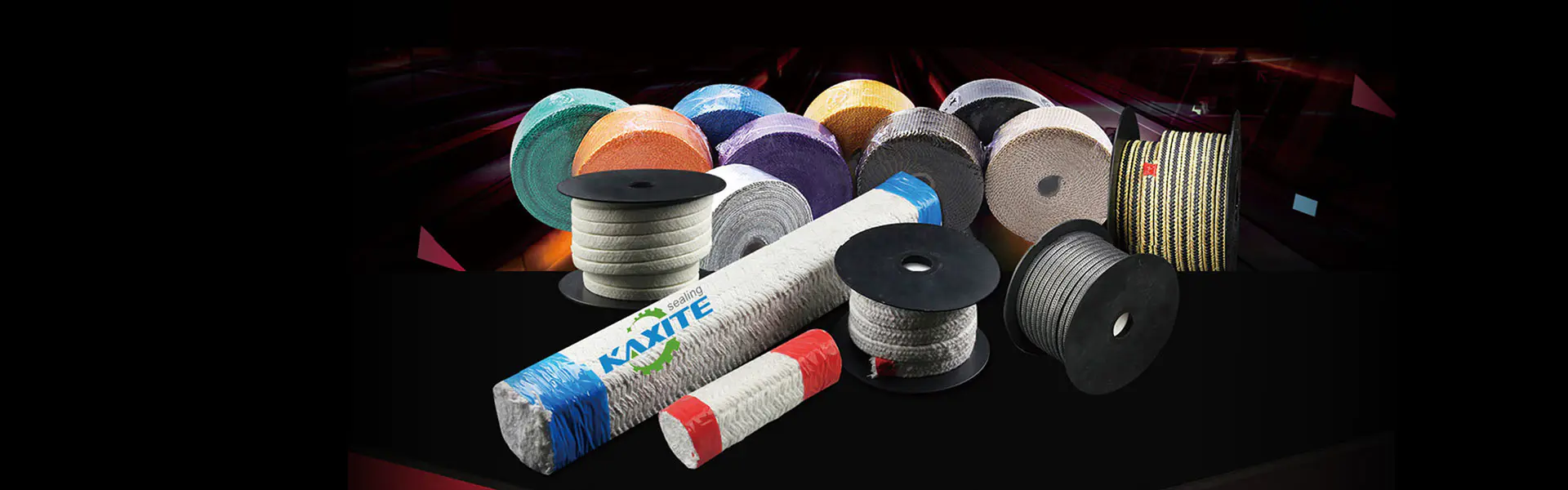
In the relentless pursuit of advanced materials that combine strength, durability, and environmental responsibility, one contender has steadily risen from volcanic origins to engineering prominence: Basalt Fiber. Often hailed as a superior alternative to traditional materials like fiberglass and carbon fiber in many applications, it represents a paradigm shift in composite reinforcement and insulation technology. As experts at Kaxite with decades of experience in material science and supply, we provide this comprehensive guide to the specifications, benefits, and applications of this remarkable material.
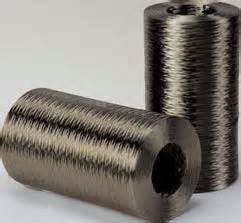
Basalt fiber is a continuous filament manufactured directly from molten basalt rock, a volcanic material abundant worldwide. The production process involves crushing, washing, and melting the raw basalt at approximately 1,400–1,600°C before extruding it through precise platinum-rhodium alloy bushings to form fine, continuous filaments. This straightforward, single-step melting process from a single raw material source gives basalt fiber a significant edge in terms of ecological footprint and production consistency compared to other synthetic fibers.
Understanding the technical specifications is crucial for engineers, specifiers, and procurement professionals. Below, we detail the core parameters that define the performance of Kaxite Basalt Fiber products.
Kaxite Basalt Fiber demonstrates superior stability in aggressive environments, a critical factor for infrastructure and chemical industry applications.
| Environment/Agent | Exposure Condition | Strength Retention | Notes |
|---|---|---|---|
| Alkaline Medium (pH~13) | 30 days immersion at 60°C | > 90% | Excellent performance in concrete (GRC applications), far superior to E-glass. |
| Acid Medium (H2SO4, 2N) | 24 hours immersion at 20°C | > 85% | High corrosion resistance in acidic atmospheres or spills. |
| Salt Water / Moisture | Long-term immersion | > 95% | Minimal degradation, perfect for marine and coastal structures. |
| UV Radiation & Weathering | Extended outdoor exposure | > 98% | Inherent UV stability without need for special coatings. |
| Product Form | Standard Format | Typical Areal Weight/Linear Density | Primary Applications |
|---|---|---|---|
| Basalt Roving | Direct & Assembled Rovings | 1200, 2400, 4800 Tex | Pultrusion, filament winding, weaving, chopped for composites. |
| Chopped Strands | Lengths: 3mm, 6mm, 12mm, 24mm | N/A | Reinforcement for thermoplastics, concrete, brake pads. |
| Woven Fabrics | Plain, Twill, Satin Weaves | 200 – 600 g/m² | Structural laminates, repair strips, thermal insulation blankets. |
| Basalt Mesh/Grid | Knitted or Welded Grids | Varies by aperture size | Geotechnical reinforcement, masonry reinforcement (BFRP). |
| Needle Mat | Non-woven Continuous Filament Mat | 300 – 900 g/m² | Thermal/acoustic insulation, composite core material. |
Q: What exactly is basalt fiber made from?
A: Basalt fiber is made from 100% natural basalt rock, a common volcanic rock formed from the rapid cooling of lava. The rock is crushed, washed, and melted. The molten lava is then extruded through specialized bushings to create continuous filaments. No other additives or chemicals are required in the melting process, making it a simple and clean production.
Q: How does basalt fiber compare to fiberglass (E-glass)?
A: Basalt fiber generally offers 15-20% higher tensile strength, a 10-15% higher modulus of elasticity, and a significantly wider operating temperature range (up to 700°C vs. 400°C for E-glass). Crucially, its resistance to alkaline and moisture is vastly superior, making it the only glass-like fiber suitable for long-term reinforcement in concrete without special coatings. It also has better vibration damping and acoustic properties.
Q: Is basalt fiber comparable to carbon fiber?
A: They serve different segments. Carbon fiber has a much higher modulus (230-600 GPa) and lower density, making it unbeatable for ultra-lightweight, high-stiffness applications like aerospace. However, basalt fiber has a broader chemical resistance, better impact strength, is electrically non-conductive, and is significantly less expensive. It is often considered a cost-effective alternative to carbon fiber in applications where its specific strength and modulus are sufficient.
Q: What are the key advantages of choosing Kaxite Basalt Fiber?
A: Kaxite provides not just premium raw material but also technical expertise. Our advantages include: Consistent quality from controlled raw material sourcing, a wide range of product forms (rovings, fabrics, chopped strands), tailored technical support for application development, competitive global logistics, and a commitment to sustainable material solutions backed by comprehensive technical data sheets.
Q: In which industries are basalt fiber composites most commonly used?
A: Its applications are rapidly expanding: Construction & Infrastructure: Rebar, mesh for concrete reinforcement, structural laminates for bridges. Automotive & Transportation: Interior parts, brake pads, composite panels for weight reduction. Marine: Boat hulls, decks. Industrial: High-temperature filtration, fireproof textiles, insulation for pipes and equipment. Wind Energy: Reinforcement for turbine blades. Consumer Goods: Sports equipment, audio cones.
Q: How is basalt fiber processed in composite manufacturing?
A: It is highly processable using standard techniques for glass fiber. This includes hand lay-up, resin transfer molding (RTM), pultrusion, filament winding, and injection molding (when chopped). Compatibility with most common resin systems (polyester, epoxy, vinyl ester) is excellent, though optimal sizing formulations, which Kaxite can provide guidance on, are recommended for maximum interfacial bond strength.
Q: Does basalt fiber pose any health hazards like asbestos or certain synthetic fibers?
A: No. Continuous basalt filament is biologically inert and is not classified as a carcinogen or hazardous substance. It does not split into respirable, needle-like fragments like asbestos. However, as with any fine filament, processing (cutting, grinding cured composites) can generate dust, and standard industrial hygiene practices (ventilation, PPE) should be followed to avoid mechanical irritation.
Q: Is basalt fiber a sustainable or "green" material?
A: Yes, it scores highly on sustainability metrics. The raw material (basalt rock) is abundant and requires no mining for rare elements. The production process is single-step with minimal waste, consumes less energy than carbon or aramid fiber production, and generates no harmful emissions. The final product is non-toxic, recyclable, and offers a long service life, reducing replacement frequency.
Q: Can Kaxite provide custom specifications or development support?
A: Absolutely. Kaxite specializes in collaborating with clients on tailored solutions. We can adjust parameters like filament diameter, roving tex, fabric weave, surface treatment (sizing), and packaging to meet specific manufacturing or performance requirements. Our technical team is available for consultation on composite formulation and process optimization.
The transition to basalt fiber involves understanding its unique properties. For concrete reinforcement, Kaxite basalt rebar and mesh offer a corrosion-proof, non-magnetic, and high-strength alternative to steel, promising drastically extended structural life, especially in harsh environments. In composite parts, substituting fiberglass with basalt can lead to a lighter, stronger, and more durable component with better fire performance.
Specifiers should focus on the lifecycle cost analysis. While the upfront material cost of basalt fiber may be higher than standard E-glass, the total cost of ownership is often lower due to reduced maintenance, longer lifespan, and avoided downtime. Performance parameters such as alkaline resistance for GRC, temperature stability for insulation, and vibration damping for automotive parts are where basalt fiber truly showcases its value proposition, making it a strategic material choice rather than just a commodity fiber.