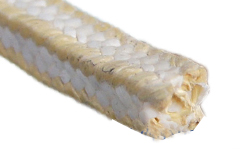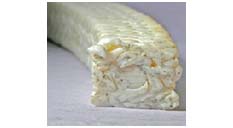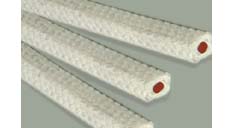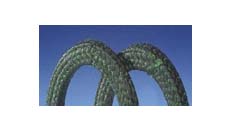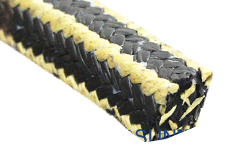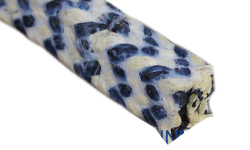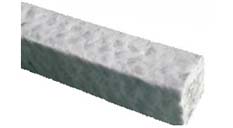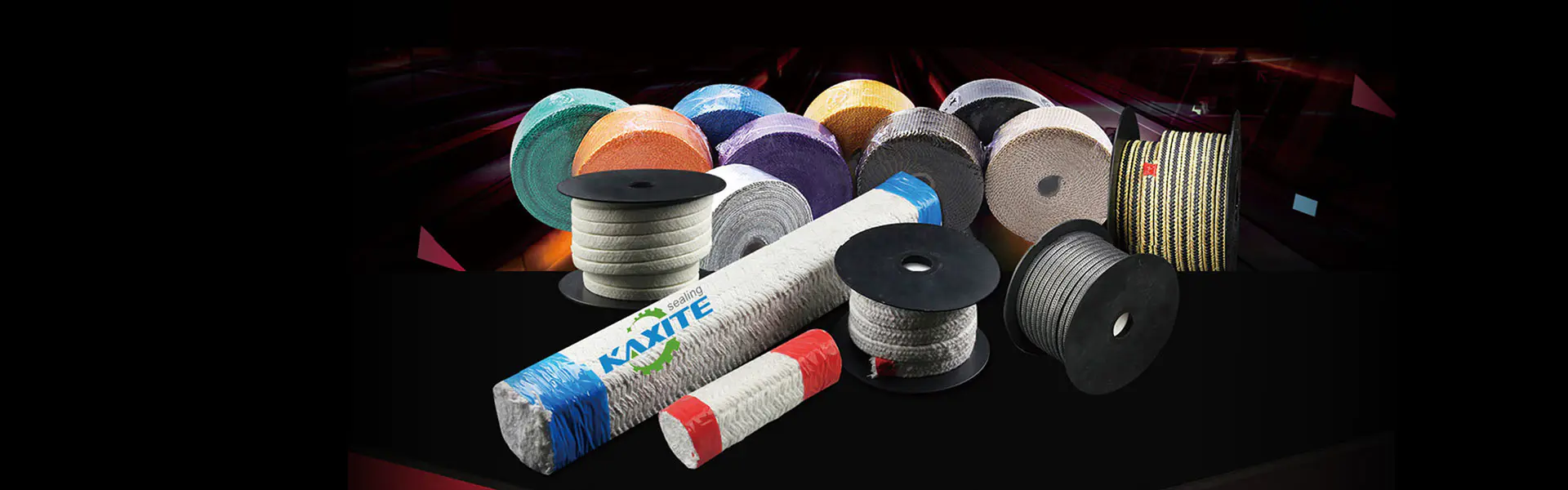
Aramid fiber packing, often referred to by brand names like Kevlar® or Nomex®, is a high-performance sealing material engineered for demanding industrial applications. At Kaxite, we specialize in manufacturing premium-grade aramid fiber packing that leverages the exceptional properties of synthetic aramid polymers. These materials are renowned for their incredible strength-to-weight ratio, outstanding thermal stability, and excellent resistance to wear and chemical attack. Unlike traditional packing materials like flax or graphite, aramid packing maintains its structural integrity under extreme pressure and temperature, providing a reliable, long-lasting seal for rotating and reciprocating equipment such as pumps, valves, mixers, and agitators. Its versatility makes it a cornerstone in industries ranging from chemical processing and power generation to marine and pulp & paper.
Kaxite's aramid fiber packing is designed to solve the toughest sealing challenges. Here are its core advantages:
Kaxite offers aramid fiber packing in various styles and impregnations to meet specific application needs. Our products are meticulously engineered and tested.
| Parameter | Specification / Value | Test Method / Notes |
|---|---|---|
| Temperature Range (Continuous) | -100°F to 500°F (-73°C to 260°C) | Short-term peaks up to 600°F (316°C) possible |
| pH Range | 2 - 12 | For prolonged exposure; consult for specific chemicals |
| Tensile Strength | > 180,000 psi | ASTM D-885 |
| Density | 1.44 g/cm³ | ASTM D-3800 |
| Thermal Conductivity | 0.04 W/m·K | Low, providing good insulation |
| Coefficient of Friction | 0.15 - 0.25 | Dynamic, against steel |
| Maximum Shaft Speed | 25 m/s (82 ft/s) | Depending on pressure and gland design |
| Maximum Pressure | 200 Bar (2900 psi) | For standard braided construction |
| Available Sizes (Square Section) | 1/8" to 1" (3mm to 25mm) | Custom sizes available on request |
| Standard Packing Ring Length | Coils of 50 ft (15.2m) or 100 ft (30.5m); Pre-cut rings | - |
| Kaxite Product Code | Primary Impregnation | Best Suited For | Key Characteristic |
|---|---|---|---|
| KX-AF-PTFE | PTFE (Teflon) & Lubricants | Chemical services, acids, alkalis, solvents. Food & Pharma. | Ultra-low friction, FDA compliant options. |
| KX-AF-GR | High-Purity Graphite | High-temperature steam, hot oils, heat transfer fluids. | Enhanced thermal conductivity, self-lubricating at high temps. |
| KX-AF-MOLY | Molybdenum Disulfide | Heavy-duty, high-pressure applications in oil & gas, hydraulic systems. | Exceptional anti-galling and extreme pressure properties. |
| KX-AF-UNI | Proprietary Synthetic Lubricant Blend | General purpose, water, mild chemicals, utilities. | Cost-effective, reliable performance for standard services. |
Q: What is the primary difference between aramid fiber packing and graphite packing?
A: While both are high-performance, the core difference lies in material strength and temperature behavior. Aramid fiber offers superior tensile strength and is more resistant to extrusion under high pressure and shaft movement. Graphite packing generally has a higher maximum temperature limit (up to 1200°F+ in inert atmospheres) and excellent thermal conductivity, but it can be more brittle and prone to handling damage. Aramid is tougher and more resilient in dynamic applications.
Q: Can Kaxite aramid packing be used in potable water pumps?
A: Yes, specifically our KX-AF-PTFE grade, which can be manufactured with FDA-listed components and lubricants. It is certified for use in systems handling drinking water, ensuring no harmful contamination. Always specify the potable water requirement when ordering.
Q: Is aramid packing suitable for abrasive slurries?
A: Aramid fiber itself has good abrasion resistance, but in highly abrasive slurry applications, it should be used with caution. The abrasive particles can become embedded in the packing, accelerating shaft wear. For such services, a flushed gland design or a combination with a harder, sacrificial ring is often recommended. Consult a Kaxite engineer for specific slurry applications.
Q: How do I properly install aramid fiber packing rings?
A: Correct installation is critical. Ensure the shaft/sleeve is in good condition. Cut rings on a clean surface using a sharp blade, with cuts at a precise 45-degree angle. Stagger the joints by 90 degrees on subsequent rings. Use a proper stuffing box tool to seat each ring firmly without excessive force. Follow the "tighten, run-in, re-tighten" procedure, allowing the packing to heat up and seat before final adjustment to achieve a slight leakage for lubrication and cooling.
Q: Why is a small amount of leakage sometimes recommended with packing?
A: A minimal, controlled leakage (a few drops per minute) serves to lubricate and cool the interface between the packing and the shaft/sleeve. This prevents the packing from running dry, which causes rapid heat buildup, increased friction, and premature failure. Modern pump packing is designed to "seal with leakage."
Q: How long does aramid packing typically last?
A: Service life varies dramatically based on operating conditions: fluid type, temperature, pressure, shaft speed, alignment, and installation quality. Under ideal conditions in a standard water pump, Kaxite aramid packing can last 12-24 months or longer. In severe chemical or high-temperature service, 3-9 months may be typical. Regular maintenance and proper gland adjustment are key to maximizing life.
Q: What chemicals are aramid fibers NOT compatible with?
A: While aramid has broad chemical resistance, it has known weaknesses. Strong mineral acids (like concentrated sulfuric or hydrochloric acid) and strong caustics (like concentrated sodium hydroxide at high temperatures) can degrade the polymer over time. It is also not recommended for use in hypochlorite or chlorine dioxide services. Always request a chemical compatibility chart from Kaxite for your specific media.
Q: Can the packing be used with oxidizing agents?
A: Standard aramid fiber has limited resistance to strong oxidizing agents. However, Kaxite offers specially treated or blended aramid packing grades designed for improved performance in such environments. Disclosure of the exact oxidizer and operating conditions is necessary for proper product selection.
Q: Does the packing require a run-in or break-in period?
A: Yes, absolutely. After initial installation and tightening, run the equipment for 15-30 minutes to allow the packing to warm up, conform, and seat itself. Then, stop the equipment and re-tighten the gland nuts finger-tight plus a quarter to a half turn. This run-in process is essential to establish the proper seal and prevent overtightening, which can cause burnout.