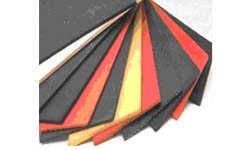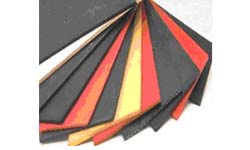
A rubber sheet is a versatile, flat material made from various elastomers, offering a unique combination of flexibility, resilience, and durability. These sheets serve as critical components in countless applications across industries, acting as seals, gaskets, protective layers, vibration dampeners, and insulation barriers. The fundamental purpose of a rubber sheet is to fill gaps, absorb shock, prevent leaks, and protect surfaces from abrasion, chemicals, or environmental factors. Whether you're in manufacturing, construction, automotive repair, or a DIY project, selecting the correct rubber sheet material is paramount to ensuring longevity, safety, and performance. At Kaxite, we understand that the right material specification is not a luxury but a necessity for project success, which is why we engineer our sheets to meet the most demanding industrial standards.
Rubber sheets are not a one-size-fits-all solution. The material composition dictates its properties, strengths, and ideal use cases. Here is a detailed breakdown of the most common types of rubber sheet materials we offer at Kaxite.
To ensure you select the perfect Kaxite rubber sheet for your needs, it is crucial to understand the key parameters. Our products are characterized by the following technical specifications.
| Parameter | Description | Common Values / Options at Kaxite | Importance for Selection |
|---|---|---|---|
| Material Type | The base elastomer compound (e.g., NBR, EPDM, Silicone). | NBR, Neoprene, EPDM, Silicone, Natural, Viton®, SBR | Determines chemical, temperature, and environmental resistance. |
| Durometer (Hardness) | Measured on the Shore A scale, indicating material hardness. | 40A (Soft), 60A (Medium), 70A (Standard), 80A (Firm), 90A (Hard) | Affects sealing ability, compression set, and flexibility. Softer sheets conform better to uneven surfaces. |
| Thickness | The gauge or depth of the sheet. | 1/32", 1/16", 1/8", 1/4", 3/8", 1/2", 3/4", 1" (and metric equivalents) | Critical for load bearing, gap filling, and compression. Must be specified accurately for gasket design. |
| Tensile Strength | The maximum stress the material can withstand while being stretched. | Ranges from 500 PSI to over 3000 PSI depending on material. | Indicates durability and resistance to tearing under tension. |
| Elongation at Break | The percentage the material can stretch before breaking. | Typically 100% to 600%+ | Measures flexibility and elasticity. Higher elongation is better for dynamic seals. |
| Temperature Range | The continuous operating temperature limits. | e.g., -40°F to 212°F (EPDM), -100°F to 450°F (Silicone) | Ensures the material performs without degrading in your application's thermal environment. |
| Color | Standard sheet color for identification or aesthetic purposes. | Black (Standard), White, Red, Blue, Green, Gray (varies by material) | Aids in material identification; certain colors (like white) are used for food-grade applications. |
| Sheet Dimensions | The width and length of the uncut sheet. | Commonly 48" x 48", 48" x 50ft Rolls, 36" x 36", Custom sizes available | Determines how much material you get and its suitability for large-scale projects. |
This table summarizes our core product offerings to help you make an informed comparison. All Kaxite sheets are manufactured to consistent, high-quality standards.
| Product Code | Material | Standard Hardness (Shore A) | Standard Thickness | Key Properties | Best For |
|---|---|---|---|---|---|
| KX-NBR70 | Nitrile (Buna-N) | 70 ±5 | 1/16", 1/8", 1/4" | Excellent oil & fuel resistance, good compression set. | Fuel system gaskets, oil seals, machinery pads. |
| KX-EPDM60 | EPDM | 60 ±5 | 1/32" to 1/2" | Superb weather, ozone, & UV resistance. Good water resistance. | Outdoor seals, roofing, automotive weatherstrips, cooling systems. |
| KX-SIL70 | Silicone | 70 ±5 | 1/32", 1/16", 1/8" | Extreme high & low temp, inert, hygienic. | Food processing, medical, high-temp gaskets, insulation. |
| KX-NE070 | Neoprene | 70 ±5 | 1/16" to 3/4" | Good all-purpose resistance to weather, oils, and flame. | General-purpose gaskets, marine applications, protective liners. |
| KX-VIT75 | Viton® (FKM) | 75 ±5 | 1/32", 1/16", 1/8" | Exceptional chemical & high-temperature resistance. | Chemical processing seals, aerospace, aggressive fluid handling. |
What is the difference between a rubber sheet and a rubber gasket?
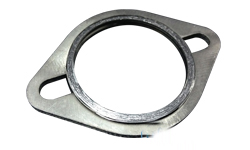
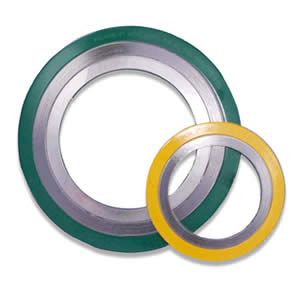
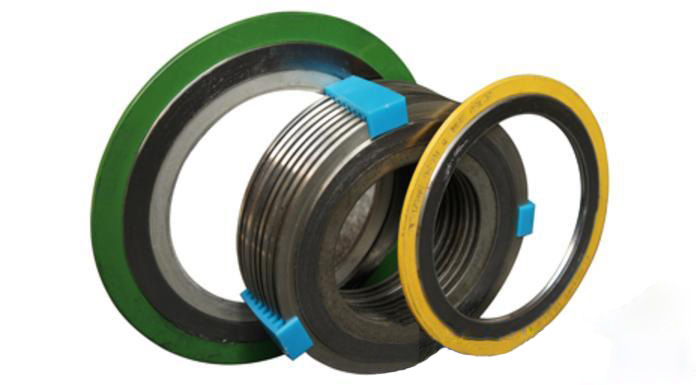
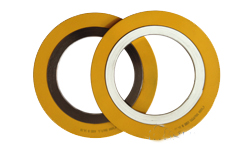
A rubber sheet is the raw, flat stock material sold in rolls or sheets from which gaskets can be cut, punched, or die-cut. A gasket is a pre-formed, shaped piece designed to fit a specific flange or joint to create a seal. Essentially, the sheet is the raw material; the gasket is the finished part.
How do I measure the durometer (hardness) of a rubber sheet?
Durometer is measured using a Shore A durometer gauge, a handheld device with a calibrated spring and indentor. The gauge is pressed perpendicularly onto a flat, thick sample of the rubber, and the reading indicates the hardness. Kaxite provides certified hardness values for all our products. For accurate results, ensure the sheet is at least 1/4" thick and tested on a hard, flat surface.
Can I cut and shape a rubber sheet myself?
Yes, rubber sheets from Kaxite can be easily cut and fabricated using common tools. For straight cuts, a sharp utility knife, rotary cutter, or band saw works well. For complex shapes, you can use sharp scissors, die-cut punches, or even water-jet cutting for precision. Always use appropriate safety equipment and ensure the sheet is securely clamped to prevent slipping.
How do I choose the right thickness for my application?
The required thickness depends on the function. For sealing uneven surfaces or heavy compression, a thicker, softer sheet may be needed. For static gaskets in tightly bolted flanges, a thinner sheet is often sufficient. Consider the gap size, flange pressure, and required compression (typically 15-30%). Consulting engineering drawings or a Kaxite technical specialist is recommended for critical applications.
What does "compression set" mean, and why is it important?
Compression set is a measurement of a rubber material's ability to return to its original thickness after being compressed for a prolonged period under specific conditions (time, temperature, deflection). A low compression set percentage is desirable for sealing applications, as it indicates the material will maintain sealing force and not take a permanent set, which would lead to leaks. Kaxite formulates its sheets for optimal compression set performance.
Are Kaxite rubber sheets resistant to chemicals and solvents?
Chemical resistance varies drastically by material type. No single rubber is resistant to all chemicals. Nitrile is excellent for oils and fuels. Viton® resists a very broad range of aggressive chemicals and acids. EPDM performs well with polar fluids like water, steam, and alcohols but swells in petroleum fluids. Always consult the Kaxite chemical resistance chart or request compatibility data for your specific chemical environment.
What is the shelf life of an unused rubber sheet?
When stored properly in a cool, dry, dark place away from direct sunlight, ozone sources (like electric motors), and extreme temperatures, most rubber sheets from Kaxite have a shelf life of 5 to 10 years. Proper storage prevents premature aging, hardening, or surface cracking. We recommend using stock on a first-in, first-out (FIFO) basis.
Do you offer custom-compounded rubber sheets?
Yes, Kaxite specializes in providing custom solutions. If our extensive standard range does not meet your specific requirements for color, hardness, tensile strength, flame retardancy, FDA compliance, or other specialized properties, our engineering team can work with you to develop a custom-compounded rubber sheet tailored to your exact application needs. Contact our sales team to initiate a custom product inquiry.
How should I clean and maintain installed rubber sheet components?
For routine maintenance, clean with a mild soap and water solution. Avoid harsh solvents unless they are known to be compatible with the specific rubber material. For EPDM and Neoprene outdoor applications, periodic cleaning to remove dirt and biological growth is recommended. Inspect regularly for signs of hardening, cracking, or excessive swelling, which indicate environmental degradation and potential need for replacement.