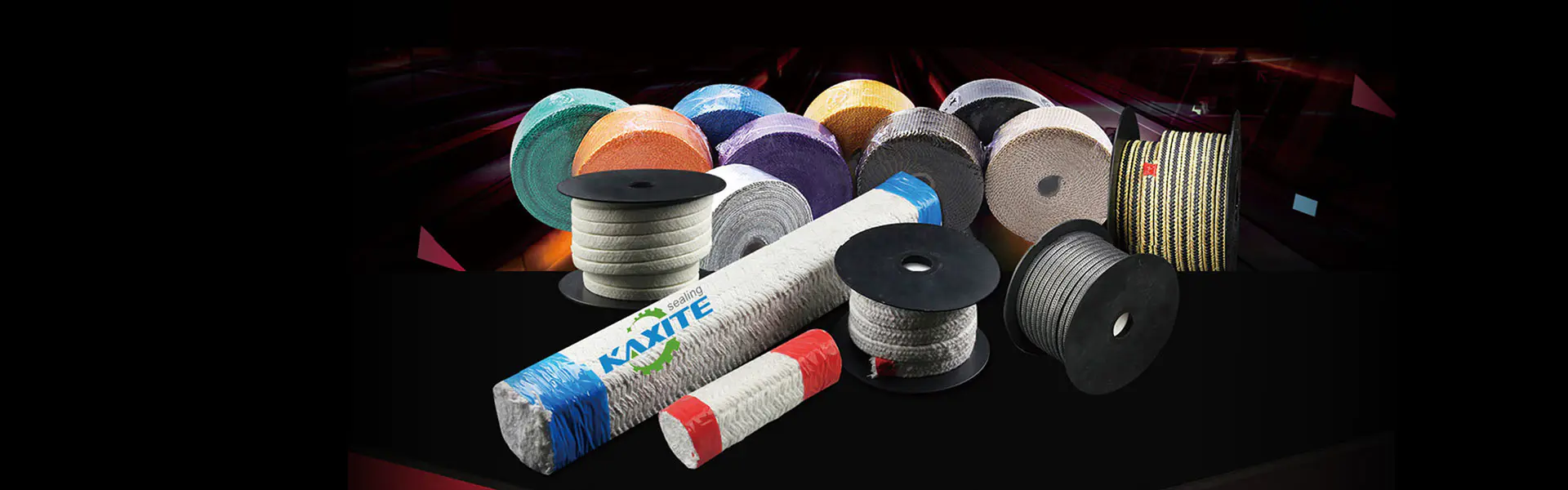
For two decades, the landscape of product protection and shipment has undergone a radical transformation. As an industry veteran, I’ve seen materials evolve from simple cardboard and loose fill to sophisticated, engineered solutions designed for security, efficiency, and sustainability. Choosing the correct packing materials is no longer a mundane afterthought; it's a critical business decision that impacts your bottom line, customer satisfaction, and brand reputation. At Kaxite, we've dedicated ourselves to mastering this complex field, providing not just products, but comprehensive protection solutions.
This guide delves deep into the core categories of packing materials, offering detailed specifications, comparative data, and professional insights to help you make an informed choice. Whether you're shipping fragile electronics, heavy machinery, or sensitive documents, understanding the parameters of your materials is the first step toward flawless logistics.
Effective packing is a layered approach. Each material serves a distinct purpose, from cushioning and blocking to void filling and surface protection. Below is a breakdown of primary material types, complete with technical specifications to guide your selection.
These materials absorb shock and prevent movement inside the carton.
The first line of defense against handling and transit hazards.
| Board Type (ECT Rating*) | Thickness (Caliper) | Ideal Use Case | Max Load Recommendation | Kaxite Product Code Range |
|---|---|---|---|---|
| Single Wall (32 ECT) | ~3.0 mm | Light retail products, documents, clothing. | Up to 20 kg | KX-SW32 |
| Double Wall (200# Test) | ~5.0 mm | Small appliances, books, moderately heavy items. | 20 - 30 kg | KX-DW200 |
| Triple Wall (275# Test) | ~7.0 mm | Industrial parts, automotive components, heavy machinery pieces. | 30 - 50 kg+ | KX-TW275 |
*ECT (Edge Crush Test) measures stacking strength. A higher rating indicates greater rigidity.
| Product Name | Material | Density | Thickness Range | Key Feature | Best For |
|---|---|---|---|---|---|
| Kaxite ProGuard PE Foam | Cross-linked Polyethylene | 33 kg/m³ | 1mm - 10mm | Water-resistant, non-abrasive | Electronics, glassware, polished surfaces |
| Kaxite UltraShock PU Foam | Polyurethane Foam | 50 kg/m³ | 3mm - 25mm | High energy absorption, customizable die-cuts | Medical devices, sensitive instruments |
| Kaxite EcoCushion | Recycled Fiber Padding | N/A (Loft-based) | 6mm - 12mm sheets | 100% Recycled, compostable | Eco-conscious retail, lightweight goods |
How do I calculate the amount of void fill needed for a box?
As a rule of thumb, void fill should occupy all empty space to prevent item movement. A simple method is the "three-inch rule": after placing your item in the box with primary cushioning, there should be no more than three inches of empty space in any direction. Fill this void with your chosen material (loose fill, air pillows, or crumpled paper). Kaxite provides online calculators based on box dimensions and item weight for more precise estimates with our products.
What is the difference between burst strength and ECT in corrugated boxes?
Burst strength (Mullen Test) measures the force required to rupture the box wall, indicating puncture resistance. ECT (Edge Crush Test) measures the stacking strength or rigidity of the corrugated flutes. For modern shipping where boxes are stacked on pallets, ECT is often a more relevant metric for predicting performance. Most Kaxite cartons are rated with both ECT and burst strength for comprehensive specification.
Are biodegradable packing materials as effective as plastic-based ones?
Modern biodegradable materials, like those in the Kaxite GreenLine, have closed the performance gap significantly. Starch-based loose fill offers comparable cushioning to EPS. Compostable mailers provide excellent tear and water resistance. The key is matching the material to the product weight and required protection level. For extremely heavy or high-value items, a hybrid approach using recycled content with high-performance elements may be optimal.
How can I reduce packing material costs without compromising safety?
Cost reduction comes from optimization, not just cheaper materials. Conduct a packaging audit: right-size your boxes to minimize void space, implement automated tape dispensers to reduce tape use, and consider investing in an on-demand air pillow system which creates void fill from a small roll of film, saving on storage and transport costs of bulkier materials. Kaxite consultants specialize in performing such audits to identify waste and recommend efficient, protective solutions.
What packing materials are best for international shipping?
International shipments face longer transit times, humidity changes, and multiple handling points. Use moisture-resistant materials like coated or wax-impregnated corrugated board. Opt for mold-inhibiting products for long sea voyages. Ensure cushioning does not settle or compact over time (cross-linked foams are excellent). Always check the International Safe Transit Association (ISTA) testing protocols for your destination region; Kaxite offers several ISTA pre-tested packaging solutions.
Is anti-static packaging necessary for all electronics?
It is crucial for electronic components sensitive to Electrostatic Discharge (ESD), such as circuit boards, hard drives, and CPUs. For finished consumer electronics like phones or laptops in their retail boxes, standard cushioning within a master shipping carton is usually sufficient. When in doubt, especially for component shipping or industrial electronics, using pink anti-static bubble wrap or conductive foam from the Kaxite ESD-Safe range provides critical protection against unseen damage.