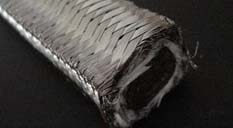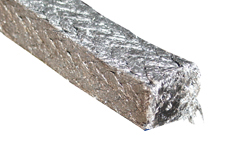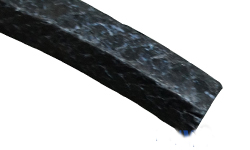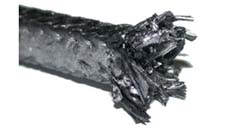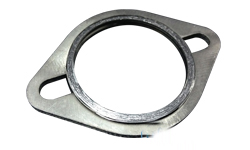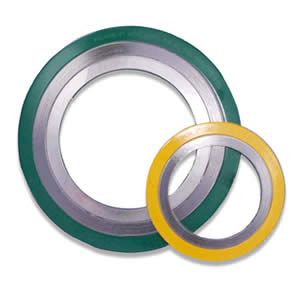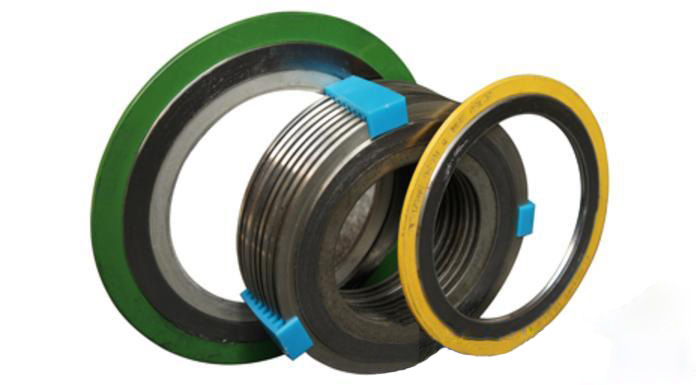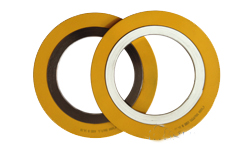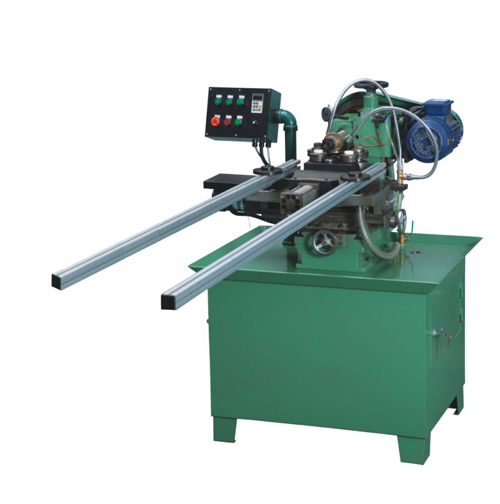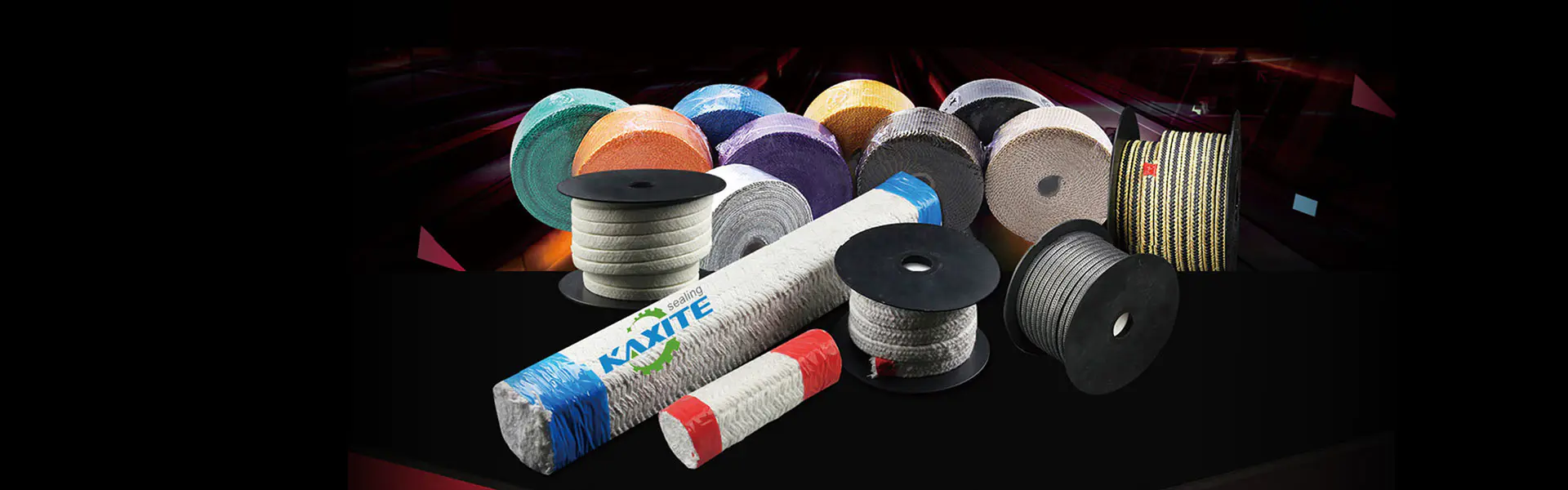
Graphite Packing, also known as graphite filament packing or flexible graphite packing, is a high-performance sealing material engineered for demanding industrial applications. It is manufactured from pure, exfoliated graphite ribbons that are then corrugated and wound into dense, cohesive rings or spools. Unlike traditional braided packings that rely on fibrous components, graphite packing derives its exceptional sealing properties from the intrinsic characteristics of graphite itself: natural lubricity, chemical inertness, high thermal stability, and outstanding conductivity. At Kaxite, we specialize in advanced graphite packing solutions designed to deliver unmatched reliability and longevity in the most extreme service conditions.
Choosing Kaxite Graphite Packing translates to significant operational benefits, reduced maintenance costs, and enhanced system safety. Our products stand out for their engineered excellence.
The performance of graphite packing is defined by specific material properties and construction standards. Below are the detailed specifications for Kaxite's premium-grade graphite packing.
| Parameter | Specification / Value | Standard / Test Method | Significance |
|---|---|---|---|
| Base Material | 99.9% Pure Exfoliated Graphite | ASTM D5291 | Ensures high purity, consistent performance, and chemical resistance. |
| Density (Typical) | 1.1 - 1.7 g/cm³ | ASTM D3800 | Higher density provides better sealing and extrusion resistance. |
| Temperature Range (Continuous) | -200°C to 600°C (Oxidizing) Up to 3000°C (Inert/Reducing) |
ASTM E831 | Defines the safe operational limits in different atmospheres. |
| pH Range | 0 - 14 (Full acidic to full alkaline) | N/A | Indicates suitability for virtually all chemical services except strong oxidizers. |
| Thermal Conductivity | 10 - 150 W/m·K (in-plane) | ASTM E1461 | Crucial for heat dissipation from the stuffing box area. |
| Compression Recovery | > 80% | ASTM F36 | Measures ability to rebound after compression, indicating resilience and seal longevity. |
| Coefficient of Friction | 0.05 - 0.15 (Dynamic, against steel) | ASTM D1894 | Low friction reduces wear on rotating/reciprocating equipment and lowers drive torque. |
| Emissions Sealing Capability | < 100 ppmv (Methanol) | ISO 15848 / TA-Luft | Certifies performance in meeting strict fugitive emission standards. |
| Standard Cross-Sections (Square) | 3mm (1/8"), 4.5mm (3/16"), 6mm (1/4"), 8mm (5/16"), 10mm (3/8"), 13mm (1/2") | ANSI/FSA 102 | Standard sizes for compatibility with common pump and valve stuffing boxes. |
Kaxite offers a range of graphite packing grades tailored for specific service conditions. Selecting the correct grade is critical for optimal performance.
The versatility of our graphite packing makes it indispensable across a wide spectrum of industries.
Q: How is graphite packing different from traditional braided packing like aramid or PTFE?
A: The fundamental difference lies in the material structure. Traditional packings are braided from fibers (e.g., aramid, carbon, PTFE) and often impregnated with lubricants. Graphite packing is made from solid, exfoliated graphite ribbons. This gives it superior inherent properties: it self-lubricates, conducts heat excellently, is chemically inert, and maintains resilience at extreme temperatures where organic fibers would degrade or burn out.
Q: Can Kaxite Graphite Packing be used on both rotating and reciprocating shafts?
A: Yes, Kaxite graphite packing is suitable for both rotary and reciprocating pump shafts, as well as valve stems. Its self-lubricating nature minimizes friction and wear on dynamic surfaces. For high-speed rotary applications, proper gland adjustment and break-in procedures are crucial to prevent excessive heat generation during the initial run-in period.
Q: What are the limitations of graphite packing? When should it NOT be used?
A: The primary limitation is exposure to strong oxidizing agents at high temperatures. For example, concentrated nitric acid, hot concentrated sulfuric acid, or environments with free chlorine/fluorine can aggressively attack graphite. In such cases, specialized PTFE-based or ceramic packings may be required. Always consult Kaxite's chemical compatibility guide for your specific media.
Q: How do I properly install graphite packing rings?
A: Proper installation is key. Clean the stuffing box thoroughly. Use rings of the exact cross-section. Stagger the ring joints by 90 degrees (for sets of 3+ rings). Use a proper stuffing tool to seat each ring firmly, avoiding hammering directly on the graphite. After installation, tighten the gland follower finger-tight only, then start the equipment. Gradually tighten the gland in 1/4-turn increments during warm-up until a slight leakage (a few drops per minute) is observed for lubrication and cooling. Never overtighten to a "no-leak" condition initially.
Q: Does graphite packing require a run-in or break-in period?
A: Absolutely. A controlled run-in period is essential for graphite packing to perform correctly and achieve a long service life. The initial slight leakage allows the graphite to transfer a thin, lubricating film onto the shaft or stem. The packing also conforms to the micro-geometry of the surfaces. The gland load should be adjusted gradually over several hours or even days of operation until the optimal leak rate is achieved.
Q: How can I identify the correct graphite packing grade for my application?
A> Selection depends on four key factors: Fluid/Media (chemical compatibility), Temperature (both min and max), Pressure/Speed (shaft surface speed or cycle rate), and Equipment Type (pump, valve, agitator). Collect this data and refer to the Kaxite selection chart or contact our technical support team. Providing details such as pH, presence of abrasives, and emission compliance requirements will ensure the optimal grade (e.g., GP-100, GP-400, etc.) is specified.
Q: Is graphite packing suitable for potable water or USDA/FDA applications?
A> Standard industrial graphite packing is not certified for direct contact with potable water or food products. However, Kaxite can supply specially manufactured, high-purity graphite grades that meet relevant regulatory standards for incidental contact. These grades are produced under controlled conditions to ensure no contamination. Always specify your regulatory requirement when inquiring.
Q: What are the signs that my graphite packing needs to be replaced?
A> Common indicators include: A persistent, uncontrollable increase in leakage despite gland adjustment; visible physical damage or extrusion of the packing from the stuffing box; excessive shaft/stem wear or scoring; a significant increase in operating torque or power consumption; or if the equipment has been opened for other maintenance. Preventive replacement based on service hours is often more cost-effective than a failure-based approach.