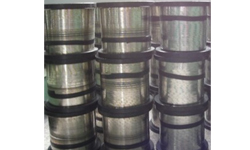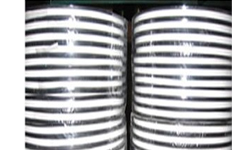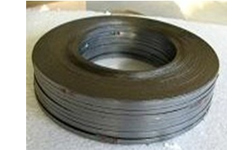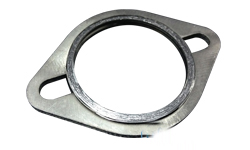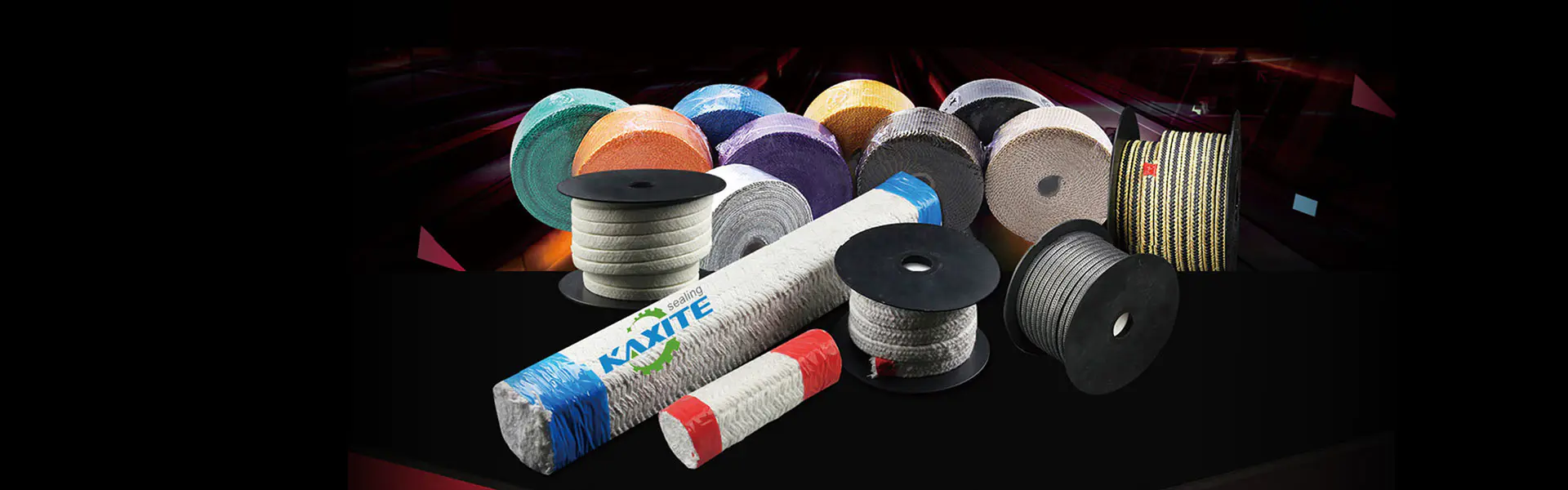
In the intricate world of industrial machinery, power generation, and fluid processing, the integrity of a system often hinges on its weakest point—the seal. Gaskets are the unsung heroes, creating static seals between two or more mating surfaces to prevent leaks of liquids or gases under various pressures and temperatures. The selection of the correct gasket material is not merely a specification; it is a critical engineering decision that impacts safety, efficiency, operational longevity, and total cost of ownership. With two decades of experience in sealing solutions, Kaxite has developed a profound understanding of material science and application demands. This guide delves into the core parameters, types, and selection criteria for gasket materials, positioning Kaxite as your expert partner in achieving flawless sealing performance.
Selecting a gasket material requires a thorough analysis of its physical and chemical properties in relation to the operating environment. The following parameters are paramount for ensuring a reliable, long-lasting seal.
Kaxite offers a diverse range of high-performance gasket materials, engineered to meet the stringent demands of modern industry. Our portfolio is categorized based on composition and primary application suitability.
| Material Type | Key Composition | Max Temp. Range | Pressure Range | Key Strengths | Typical Applications |
|---|---|---|---|---|---|
| Non-Asbestos Organic (NAO) | Aramid fibers, synthetic rubber, fillers | -50°C to 290°C (-58°F to 554°F) | Medium | Excellent sealability, good chemical resistance, cost-effective. | General industrial piping, water, mild chemicals, engine components. |
| Compressed Non-Asbestos (CNA) | Aramid, cellulose, or glass fibers with nitrile or other rubber binders | -40°C to 400°C (-40°F to 752°F) | Medium to High | Superior temperature & pressure resistance, low creep relaxation. | Steam, hot oils, refinery applications, high-pressure flanges. |
| Expanded Graphite (Flexible Graphite) | Pure exfoliated graphite, often with stainless steel insert | -240°C to 3000°C* (-400°F to 5432°F) in non-oxidizing | High | Exceptional thermal conductivity, extreme temperature resilience, excellent sealability. | Heat exchangers, exhaust systems, high-temperature flanges, chemical processing. |
| Polytetrafluoroethylene (PTFE) | Virgin or filled PTFE polymers | -260°C to 260°C (-436°F to 500°F) | Low to Medium | Universal chemical resistance, anti-stick, low friction. | Aggressive acids, caustics, pharmaceuticals, food processing. |
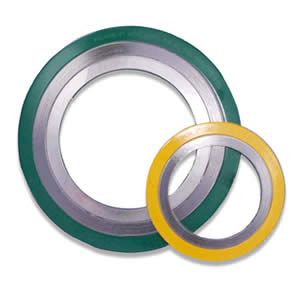
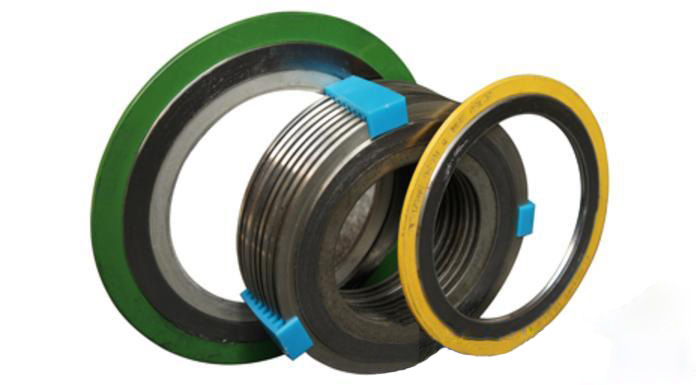
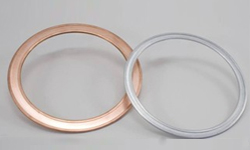
| Metal & Semi-Metallic | Stainless steel, copper, monel, with graphite or PTFE fillers | Up to 1000°C (1832°F) (depends on core metal) | Very High | Extreme pressure and temperature capability, robust, durable. | Power generation, offshore oil & gas, high-pressure vessel closures. |
| Elastomeric (Rubber) | NBR, EPDM, Viton® (FKM), Silicone, Neoprene | Varies by polymer (-50°C to 230°C common) | Low to Medium | High elasticity, good compression sealing, resistant to specific fluids. | Pump housings, pipe flanges (water, air), automotive, HVAC. |
* In oxidizing atmospheres, upper temperature is limited to approx. 450°C (842°F) without special oxidation inhibitors.
Q: What is the single most important factor in selecting a gasket material?
A: While all parameters are interconnected, chemical compatibility is often the primary gatekeeper. A material that degrades, dissolves, or swells when exposed to the sealed medium will fail regardless of its pressure or temperature ratings. Always cross-reference the chemical resistance chart for your chosen Kaxite material with the specific process fluid. Following this, the operating temperature and pressure define the suitable material class.
Q: How does flange surface finish affect gasket material choice?
A: The flange surface finish (RA value) directly impacts the sealing mechanism. Rough finishes require a softer, more compressible material (like a NAO or expanded graphite) that can flow into the grooves to create a seal. For very smooth or serrated finishes, a harder, less compressible material (like a CNA or metal gasket) is often more appropriate. Kaxite engineers can recommend the optimal material based on your specific flange conditions.
Q: Can I reuse a gasket after disassembling a flange connection?
A: As a universal rule, gaskets should never be reused. During initial installation, the gasket material undergoes permanent plastic deformation to conform to the flange faces. Upon removal, its recovery is insufficient, and its sealing profile is compromised. Reusing a gasket almost guarantees a leak path. Kaxite always advises using a new, unused gasket for every assembly to ensure system integrity.
Q: What is the difference between "compressed non-asbestos" and "expanded graphite" sheets?
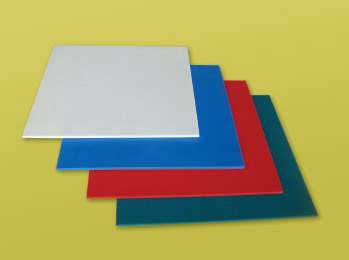
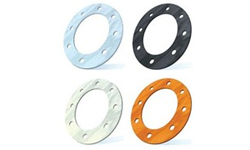
A: Compressed Non-Asbestos (CNA) sheets are fibrous materials with a high filler content, calendared under high pressure. They offer excellent mechanical strength, bolt load retention, and are ideal for uneven flanges. Expanded Graphite is a pure, foil-like material made from exfoliated graphite flakes. It offers superior thermal conductivity, higher temperature limits in inert atmospheres, and conforms exceptionally well but requires careful handling and smooth flanges. Kaxite supplies both, each for distinct application challenges.
Q: Why does my PTFE gasket sometimes show signs of "cold flow" or creep?
A: PTFE is susceptible to cold flow, a slow deformation under sustained pressure and temperature. This can lead to a loss of bolt load and potential leakage over time. To combat this, Kaxite offers filled PTFE compounds (with glass, carbon, or bronze) which significantly improve creep resistance and dimensional stability. For critical applications, we recommend selecting a filled PTFE grade or considering a reinforced design.
Q: How do I determine the correct thickness for my gasket material?
A: Thickness is a balance between sealability and stability. Thinner gaskets (1.5mm or 1/16") generally offer better blowout resistance, higher seating stress, and lower creep but require very flat flanges. Thicker gaskets (3mm or 1/8") compensate for flange irregularities, warpage, or misalignment better. Industry standards like ASME B16.21 provide guidance, but for non-standard applications, consulting with Kaxite's technical team is essential to model the stress-strain behavior for your specific conditions.
Q: What certifications or standards do Kaxite gasket materials comply with?
A: Kaxite materials are engineered and tested to meet a wide array of international standards, ensuring global acceptance and reliability. These include but are not limited to: ASTM F104, F112, F146 for non-metallic gaskets; DIN 3754, 3755; JIS B 2405; and specific approvals from major OEMs in the energy, marine, and transportation sectors. Certificates of Conformance and material test reports are available upon request.