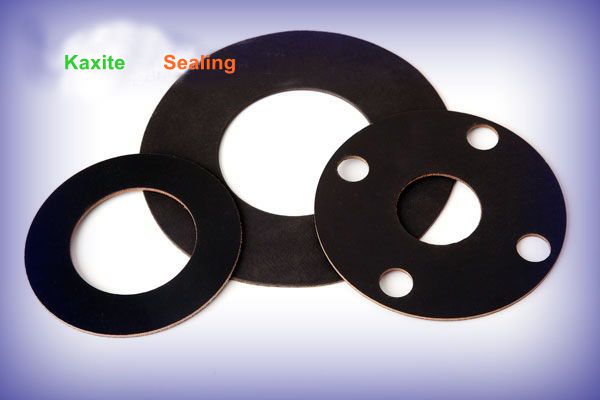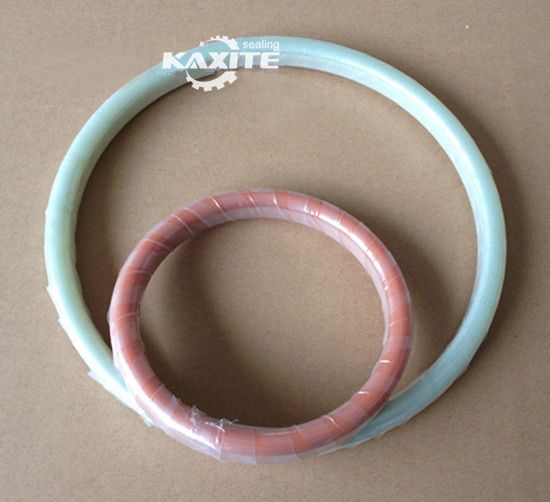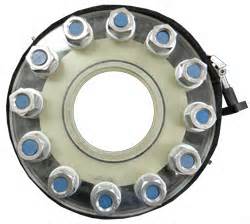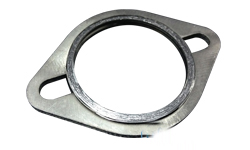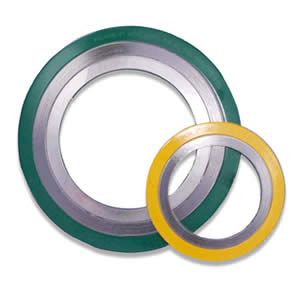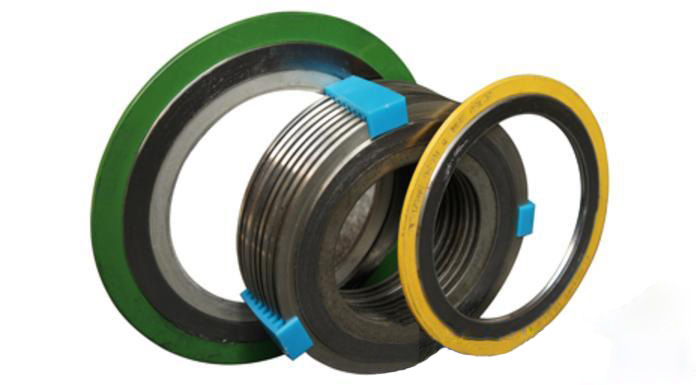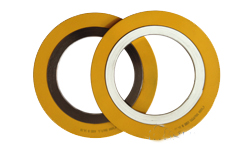
In industrial piping and pipeline systems, controlling corrosion and preventing unwanted electrical currents is paramount for safety, longevity, and operational integrity. This is where a specialized Flange Insulation Gasket Kit becomes an indispensable component. These kits are engineered to electrically isolate flanged connections, effectively stopping the flow of corrosive galvanic and stray currents that can rapidly degrade metal surfaces, leading to leaks, failures, and costly downtime. As a leader in precision sealing and isolation solutions, Kaxite designs and manufactures flange insulation kits that meet the rigorous demands of industries such as oil & gas, chemical processing, water treatment, and marine engineering. Our commitment is to deliver reliability through superior materials, exacting manufacturing standards, and comprehensive kit configurations that ensure a complete insulation barrier.
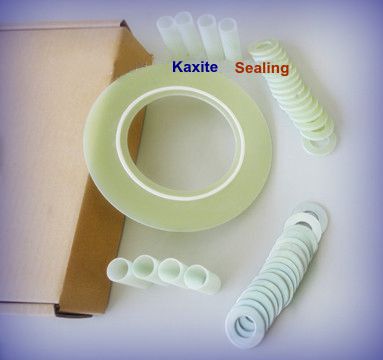
A standard Kaxite Flange Insulation Gasket Kit is not merely a gasket; it is a complete, ready-to-install system. Each kit typically includes all necessary components to fully isolate both sides of a flanged joint, providing a reliable and long-lasting seal against both fluid pressure and electrical conductivity. Proper installation of these kits is crucial for effective cathodic protection systems and for safeguarding pipelines, vessels, and equipment in corrosive environments.
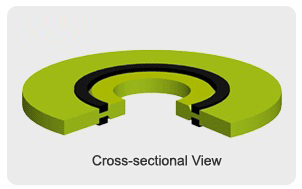
Every kit is meticulously assembled to ensure no electrical bridge exists across the flange. The primary components include:
Kaxite Flange Insulation Kits are available in a wide range of sizes, pressure ratings, and material combinations to suit virtually any application. The selection of materials is critical for performance in different service environments (temperature, pressure, media). Below is a detailed breakdown of our standard specifications.
Kits are designed to match standard flange dimensions as per ASME B16.5, B16.47, EN 1092, and other international standards. Custom kits for non-standard flanges are also available.
| Flange Size & Rating | Kit Part Number Prefix | Bolt Hole Quantity & Diameter | Standard Gasket Thickness | Typical Applications |
|---|---|---|---|---|
| 2" Class 150 | KX-FIG-2150 | 8 x 0.75" | 1/16" (1.6mm) | Water lines, low-pressure steam |
| 6" Class 300 | KX-FIG-6300 | 8 x 0.88" | 1/8" (3.2mm) | Process piping, oil pipelines |
| 12" Class 600 | KX-FIG-12600 | 12 x 1.13" | 1/8" (3.2mm) or 3/16" (4.8mm) | High-pressure hydrocarbon service |
| 24" Class 150 | KX-FIG-24150 | 20 x 1.0" | 1/8" (3.2mm) | Large water intake/discharge lines |
The insulating gasket material defines the kit's chemical and thermal resistance. Kaxite offers several premium-grade options.
| Gasket Material | Base Polymer/Structure | Temperature Range | Pressure Rating (Max) | Key Chemical Resistances | Dielectric Strength |
|---|---|---|---|---|---|
| Kaxite Gylon® EP-3500 | PTFE-based, filled | -100°F to 500°F (-73°C to 260°C) | Up to 3000 psi | Excellent for acids, caustics, solvents, hydrocarbons | >500 V/mil |
| Fiberglass Reinforced Epoxy (GRE) | Epoxy resin with fiberglass layers | -40°F to 250°F (-40°C to 121°C) | Up to 1500 psi | Good for water, salts, mild acids/alcalis | >400 V/mil |
| Elastomeric Insulation (Neoprene/Nitrile) | Rubber compound with insulating fabric | -20°F to 212°F (-29°C to 100°C) | Up to 300 psi | Water, oils, diluted chemicals | >200 V/mil |
| Mica-Based Laminate | Mica sheets with binder | -100°F to 1000°F (-73°C to 538°C) | Up to 2500 psi | High temp steam, fire-safe applications | >300 V/mil |
Insulating washers and sleeves are typically made from high-strength, creep-resistant polymers.
Q: What is the primary purpose of a Flange Insulation Gasket Kit?
A: The primary purpose is to prevent galvanic corrosion and block stray current flow in pipeline systems. By creating a complete dielectric (non-conductive) barrier at the flanged joint, the kit stops the electrical continuity needed for electrochemical corrosion cells to form between dissimilar metals or in the presence of stray currents from sources like cathodic protection systems or electrical grounding. This significantly extends the service life of pipelines and connected equipment.
Q: When is it mandatory or highly recommended to use a Flange Insulation Kit?
A: Their use is mandatory or highly recommended in several key scenarios: 1) In cathodically protected pipeline systems to contain the protection current within designated sections and prevent its drainage. 2) At connections between pipelines made of dissimilar metals (e.g., carbon steel to stainless steel). 3) In hazardous areas where spark prevention is critical. 4) To isolate pipeline sections for electrical safety during maintenance. 5) In systems where stray alternating current (AC) or direct current (DC) interference is suspected or measured.
Q: How do I select the right material for the insulating gasket in the kit?
A: Material selection depends on three main factors: the chemical composition of the fluid being transported (compatibility), the continuous and maximum operating temperature, and the system pressure. Always consult chemical resistance charts and temperature/pressure ratings. For aggressive chemicals and wide temperature ranges, PTFE-based materials like Kaxite Gylon are often the best choice. For high-temperature steam, mica-based laminates are suitable. For lower-pressure water services, GRE or elastomeric gaskets may be cost-effective. Kaxite application engineers can provide detailed guidance.
Q: Can I reuse a Flange Insulation Gasket Kit after disassembly?
A: Generally, it is not recommended. The insulating gasket is a sealing component that compresses during initial bolt tightening to conform to flange surface imperfections. Once decompressed, it may not regain its original sealing ability, leading to potential leaks. Insulating washers and sleeves can be inspected for cracks or deformation and reused only if they are in perfect condition. For guaranteed integrity and safety, Kaxite advises using a new kit during any reassembly of a critical insulated joint.
Q: What are the critical steps for proper installation to ensure effective insulation?
A: Proper installation is crucial. Key steps include: 1) Thoroughly clean and inspect flange faces—they must be free of rust, pits, and old gasket material. 2) Verify all components (gasket, sleeves, washers) are correct for the bolt size and flange. 3) Assemble in the correct order: place the insulating gasket between flanges, slide insulating sleeves over each bolt, insert bolts, then on each side, add an insulating washer followed by an insulating steel washer before the nut. 4) Use a crisscross (star) pattern to tighten bolts gradually to the specified torque value to ensure even compression without damaging the insulating components. 5) After installation, use an ohmmeter to verify there is no electrical continuity across the joint.
Q: How does Kaxite ensure the quality and reliability of its insulation kits?
A: Kaxite implements a rigorous quality management system. Each batch of raw material is certified. Components are precision-machined or molded to exact tolerances. Finished kits undergo dimensional checks and, for critical orders, sample dielectric testing to verify insulation resistance meets or exceeds industry standards (e.g., ASTM F1173, ISO 15848). Traceability is maintained from raw material to final kit with comprehensive documentation provided to the customer.
Q: Are custom Flange Insulation Kits available for special applications?
A: Yes, absolutely. Kaxite specializes in engineering custom solutions. We can manufacture kits for non-standard flange sizes, special face types (RTJ, large male-female), extreme pressures or temperatures, and for unique chemical exposures. We can also incorporate specific customer requirements such as different bolt patterns, integrated monitoring points, or specialized packaging. Our engineering team works directly with clients to design the optimal insulation solution.
Beyond the standard kit, understanding the system context is vital. The effectiveness of a Flange Insulation Gasket Kit can be compromised by external factors. It is essential to ensure that no unintended electrical bypasses exist, such as conductive bridge wires, metal ladder clamps, or even accumulated conductive debris across the flanges. Periodic inspection and electrical continuity testing of insulated joints should be part of a routine maintenance program. Furthermore, for insulated flanges in outdoor or buried service, consider protective covers or coatings to shield the bolt/nut assembly from environmental damage that could compromise the insulation over time.
Kaxite's technical support extends to helping you plan your insulation strategy. From selecting the right kit for a single joint to designing the insulation scheme for an entire pipeline network, our expertise ensures your systems are protected against the costly and dangerous effects of corrosion and electrical interference.