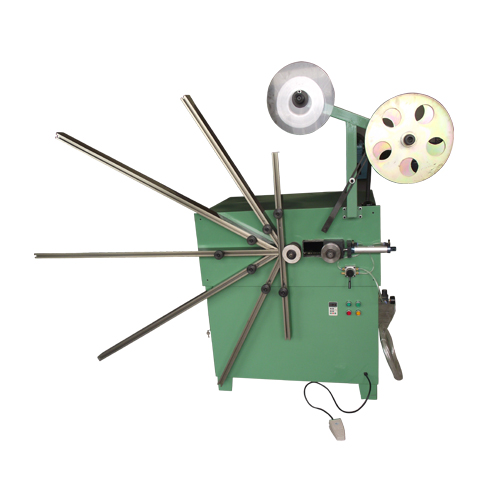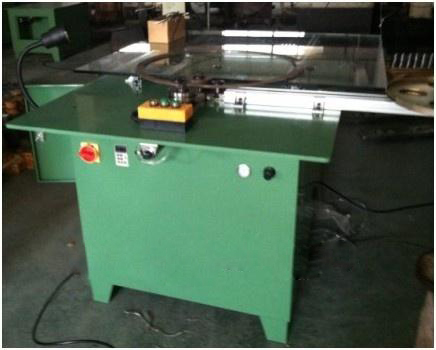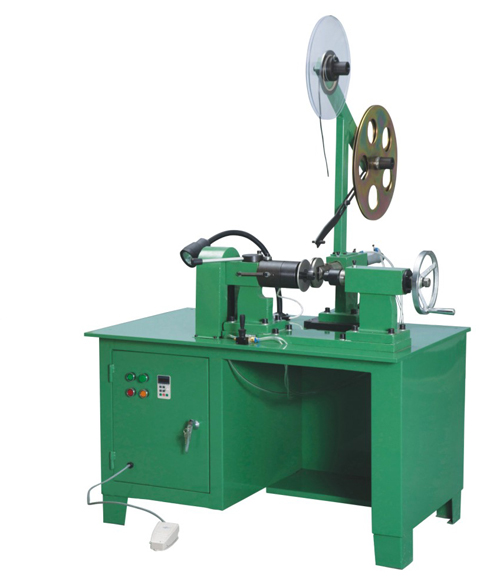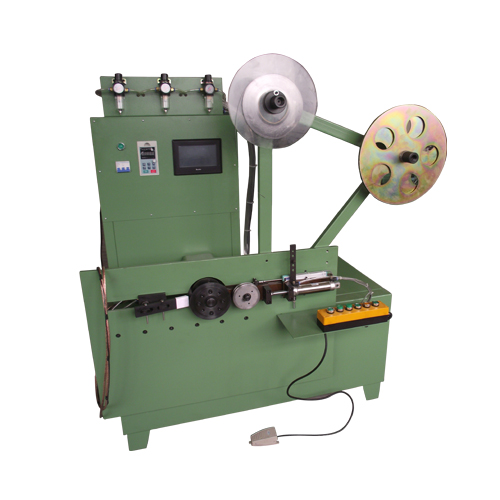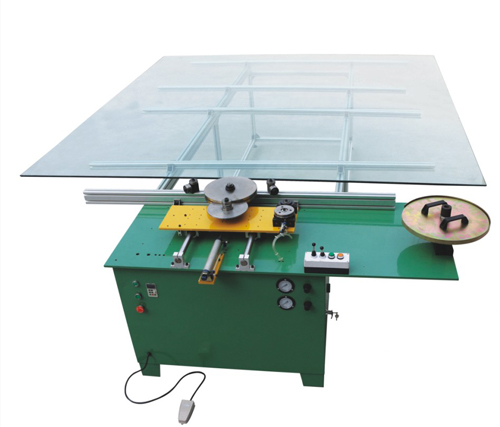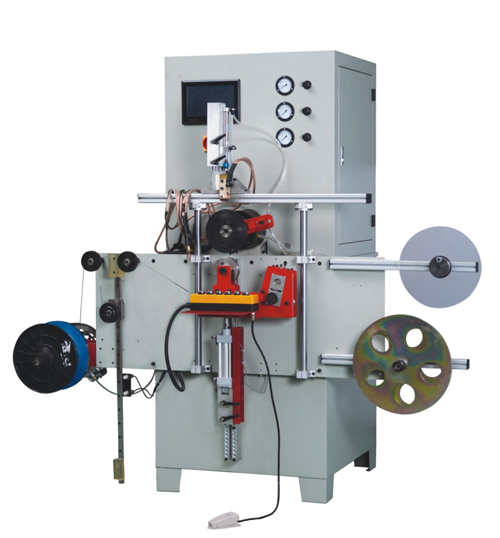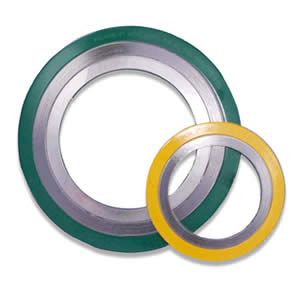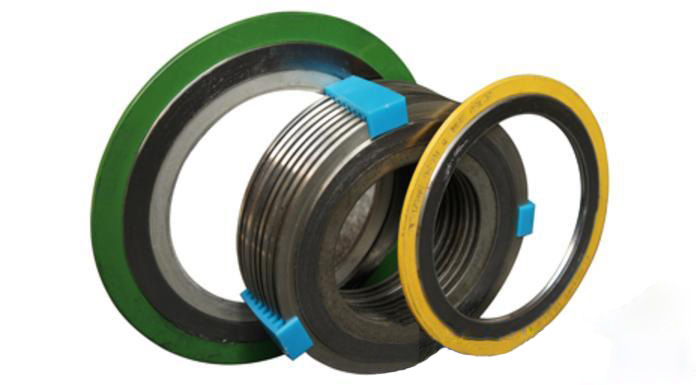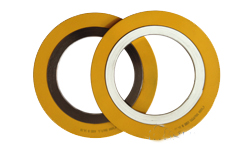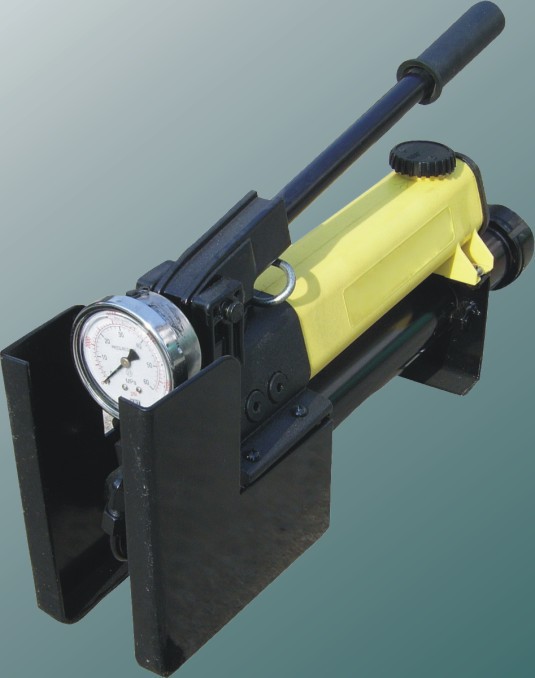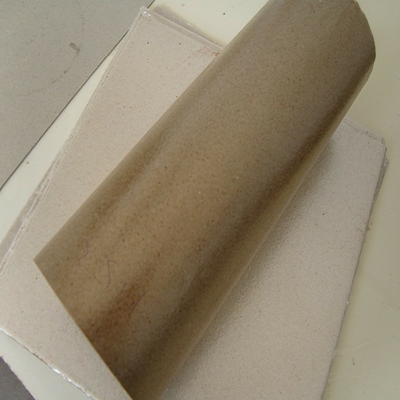
The production of high-integrity spiral wound gaskets demands precision, consistency, and efficiency. At the heart of this specialized manufacturing process lies advanced machinery engineered specifically for this purpose. These machines are not merely tools; they are sophisticated systems that transform pre-formed metal strips and filler material into the critical sealing components used across demanding industries like oil & gas, chemical processing, petrochemical, and power generation. The quality of the gasket is intrinsically linked to the performance of the machine that creates it. This guide delves into the technical specifications, operational parameters, and critical considerations surrounding modern Machines for Spiral Wound Gaskets, highlighting the engineering excellence embodied by Kaxite's solutions.
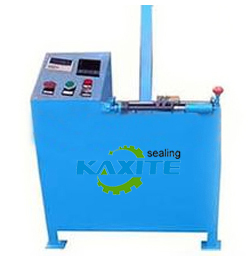
A spiral wound gasket machine is an integrated system comprising several key components that work in unison. Understanding these parts is essential for appreciating the machine's capabilities.
When evaluating or specifying a machine for spiral wound gaskets, the following parameters define its capacity and suitability for your production needs. The table below outlines a typical range found in industrial-grade equipment, such as that offered by Kaxite.
| Parameter | Specification Range | Description & Importance |
|---|---|---|
| Gasket Inner Diameter (ID) Range | 15 mm (0.6") to 3000 mm (118") or more | Defines the minimum and maximum bore size the machine can produce. Larger ranges require robust spindle design and support. |
| Gasket Outer Diameter (OD) Range | 50 mm (2") to 3200 mm (126") | Determines the maximum overall size of the gasket. Limited by machine frame geometry and winding head capacity. |
| Metal Strip Width | 3 mm to 10 mm (0.12" to 0.4") | The width of the raw metal strip. Machines must accommodate the specific widths required for standard gasket profiles. |
| Metal Strip Thickness | 0.15 mm to 0.5 mm (0.006" to 0.02") | Critical for pressure rating. Machines must form varying thicknesses without damaging the material. |
| Winding Pitch (P) | 2.5 mm to 8 mm (0.1" to 0.315") | The distance between consecutive metal windings. Precise pitch control is vital for consistent density and sealing performance. |
| Production Speed | Up to 25-30 meters of strip per minute | Influences throughput. Higher speeds require superior dynamic control systems to maintain quality. |
| Power Requirements | 3-Phase, 380V-480V AC, 5-15 kW typical | Depends on machine size and drive systems. Kaxite machines are designed for global electrical standards. |
| Control System | PLC with Touch-Screen HMI | Enables programming of gasket dimensions (ID, OD, Thickness), pitch, and number of windings. Stores hundreds of recipes. |
| Machine Footprint | Varies from 2m x 1.5m for small models to 6m x 4m for large models | Important for factory floor planning. Kaxite designs for optimal space utilization. |
Q: What is the primary advantage of using a dedicated machine over manual fabrication for spiral wound gaskets?
A: Dedicated machines offer unmatched consistency, precision, and speed. Manual winding cannot reliably reproduce the exact, uniform pitch, tension, and compression required for leak-free performance in critical applications. Machines ensure every gasket is identical to the design specifications, dramatically reducing the risk of seal failure, improving production throughput, and lowering scrap rates. The repeatability is essential for quality certification and traceability.
Q: Can one machine produce gaskets with different metal and filler materials?
A: Yes, a well-designed universal machine from a manufacturer like Kaxite is built to handle a wide range of materials. The key is the machine's ability to adjust forming pressure, tension, and winding parameters. Switching from a soft material like aluminum to a hard, spring-tempered stainless steel, or from a slippery PTFE filler to a fibrous ceramic filler, requires different machine settings. The hardware (rollers, guides) must also be compatible and resistant to wear from abrasive materials.
Q: How important is the control system in a spiral winding machine?
A: The control system is absolutely critical. It is the intelligence that coordinates all mechanical actions. A sophisticated PLC-based system allows for precise digital setting of all dimensions (ID, OD, thickness, pitch), stores hundreds of programs for different gasket types, and provides diagnostic information. It enables automation features like automatic stop at target OD, which improves accuracy and reduces operator dependency. The quality of the control system directly impacts setup time, ease of use, and final product consistency.
Q: What maintenance does a spiral wound gasket machine typically require?
A: Regular preventive maintenance is crucial for longevity and accuracy. Key tasks include lubrication of all bearings, guide rails, and lead screws; inspection and cleaning of forming rollers and guides to prevent material buildup; checking and calibrating tension sensors and encoders; and verifying the alignment of the winding head and cutting mechanism. Electrical components should be kept clean and free of dust. Following the manufacturer's maintenance schedule, such as the one provided by Kaxite, is essential to avoid unplanned downtime.
Q: What factors should I consider when choosing a machine supplier?
A> Look beyond the initial price. Key considerations include: the machine's proven accuracy and repeatability (ask for test reports); the robustness of its construction for your intended duty cycle; the flexibility to handle your current and anticipated future product range; the quality and accessibility of the control software; the supplier's technical support, training, and spare parts availability; and their reputation in the industry. A supplier like Kaxite, with deep application engineering expertise, can provide valuable guidance throughout the selection and implementation process.
Q: Can these machines produce custom or non-standard gasket profiles?
A> Advanced machines are highly adaptable. While standard "V" profiles are most common, the forming unit can often be configured or retrofitted with custom-designed rollers to create specialized profiles (e.g., different apex angles, multi-stage forms). The ability to precisely control winding parameters also allows for the production of non-standard gaskets with varying thicknesses or stepped sections, provided the machine's programming and mechanical limits are respected. Discussing your specific profile needs with the machine engineering team is the first step.
At Kaxite, our approach to building machines for spiral wound gaskets is rooted in a deep understanding of the end product's performance requirements. We engineer our systems not just as production equipment, but as precision instruments. Every Kaxite machine is designed to deliver the dimensional integrity and material handling consistency that translates directly into reliable, certifiable gaskets. From the selection of high-linear-precision components for our drive systems to the development of intuitive, recipe-driven software, our focus is on empowering manufacturers to achieve excellence in sealing solutions. We integrate flexibility for a wide material range with the ruggedness needed for industrial environments, ensuring our customers can meet both standard and specialized market demands with confidence and efficiency.