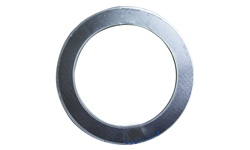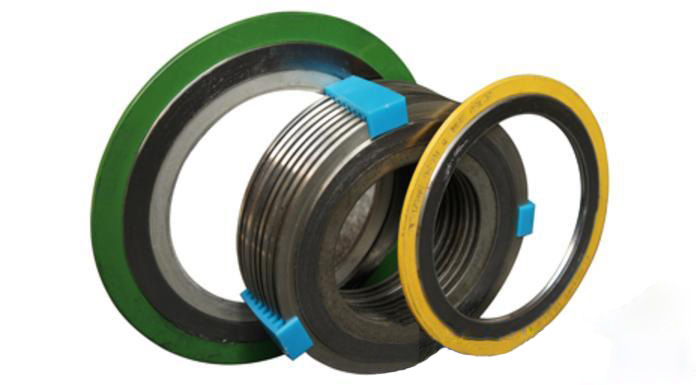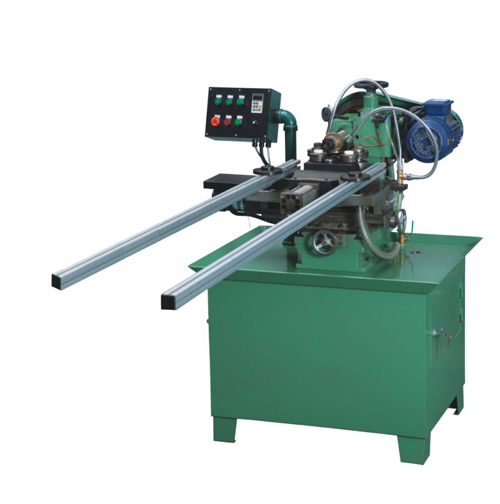
In demanding industrial sealing applications, the need for reliability under extreme conditions is paramount. Expanded graphite gaskets have emerged as a superior solution, offering exceptional performance where traditional materials fall short. At Kaxite, we specialize in engineering high-performance sealing products, and our expanded graphite gasket line represents the pinnacle of material science applied to practical sealing challenges. These gaskets are manufactured from pure graphite that has been exfoliated and compressed, creating a flexible, yet robust sealing material capable of withstanding aggressive media, high temperatures, and fluctuating pressures. Their unique structure provides natural lubricity, excellent thermal conductivity, and outstanding chemical resistance, making them indispensable in sectors like chemical processing, power generation, oil & gas, and pharmaceuticals.
Kaxite expanded graphite gaskets are designed with precision to deliver unmatched sealing integrity. Unlike compressed non-asbestos or rubber gaskets, our products offer a unique combination of properties that ensure long-term, leak-free operation.
Understanding the technical specifications is crucial for selecting the correct gasket for your application. Below are the standard parameters for Kaxite's expanded graphite gasket series.
| Property | Test Standard | Typical Value | Units |
|---|---|---|---|
| Density | ASTM F 1314 | 1.0 - 1.15 | g/cm³ |
| Tensile Strength | ASTM F 152 | ≥ 4.5 | MPa |
| Compressibility | ASTM F 36 | 15 - 40 | % |
| Recovery | ASTM F 36 | ≥ 20 | % |
| Creep Relaxation | ASTM F 38 | ≤ 15 | % |
| Thermal Conductivity | ASTM E 1225 | 5 - 10 (W/m·K) | W/m·K |
| Maximum Temperature (Oxidizing) | - | 900 | °F |
| Maximum Temperature (Inert) | - | 3000 | °F | pH Range | - | 0 - 14 | - |
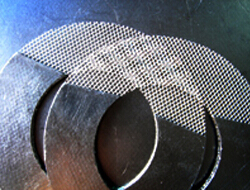
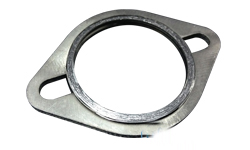
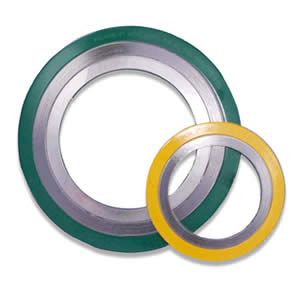
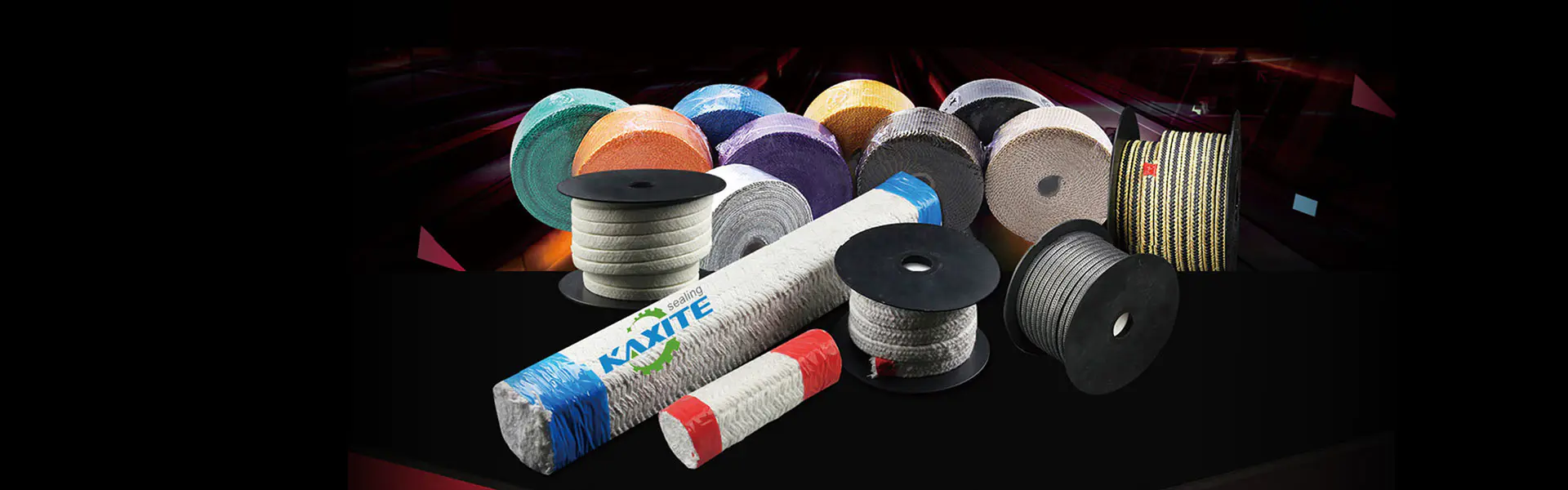
Kaxite provides expanded graphite in multiple forms to suit various flange types and sealing requirements.
The versatility of Kaxite expanded graphite gaskets makes them suitable for a wide spectrum of industrial applications. Their primary function is to create a static seal between two mating flanges, preventing leakage of fluids or gases.
Q: What exactly is an expanded graphite gasket?
A: An expanded graphite gasket is a sealing component made from exfoliated or expanded graphite flakes that are compressed into sheets or formed into specific shapes. The expansion process creates a material with a high surface area and a layered structure, giving it exceptional flexibility, thermal stability, and sealing capability. Kaxite manufactures these gaskets from high-purity graphite without binders, ensuring optimal performance.
Q: How do expanded graphite gaskets differ from traditional compressed non-asbestos (CNA) gaskets?
A: While both are used for sealing, they differ fundamentally. CNA gaskets are composite materials with organic fibers and fillers, which can degrade at high temperatures (~450°F/232°C max) and are susceptible to chemical attack. Expanded graphite gaskets are pure inorganic graphite, offering much higher temperature resistance (up to 3000°F in inert gas), broader chemical resistance, better thermal conductivity, and superior creep resistance, leading to longer service life in demanding applications.
Q: Can Kaxite expanded graphite gaskets be used for all chemical services?
A: Kaxite expanded graphite gaskets offer excellent resistance to a vast majority of chemicals, including strong acids, alkalis, and solvents. However, they are not recommended for strongly oxidizing acids at high temperatures (e.g., nitric acid, perchloric acid) or in environments with highly reactive halogens like fluorine. We recommend consulting our technical datasheets or contacting our engineering team for specific media compatibility.
Q: What is the proper installation procedure for a graphite gasket?
A: Proper installation is key. Ensure flange surfaces are clean, undamaged, and aligned. Place the gasket centered on the flange. Use a crisscross bolt tightening pattern, applying torque in stages (typically 30%, 60%, 100% of final torque) to achieve even compression. Always refer to the specific torque values recommended by the flange standard or equipment manufacturer. Kaxite provides detailed installation guides with all bulk orders.
Q: Are there special handling considerations for graphite gaskets?
A: Yes. Pure graphite sheets are relatively soft and can be torn if mishandled. For large or thin plain sheets, support them fully when moving. Gaskets with metal inserts are more robust. Store gaskets in a dry environment to prevent absorption of moisture. Wear gloves to prevent oils from your skin from contaminating the gasket surface, which is generally not critical but is a good practice.
Q: Do I need to apply a sealant or lubricant to the gasket surface?
A: No. Kaxite expanded graphite gaskets are designed to seal dry. Applying sealants, oils, or anti-stick compounds can actually hinder their performance by filling the porous structure or causing contamination. The graphite itself has natural lubricity, which aids in seating and allows for some movement during thermal cycling.
Q: What are the pressure limits for expanded graphite gaskets?
A: The pressure capability depends on the gasket style and density. Plain sheet gaskets are typically used for low to medium pressures. For high-pressure applications, Kaxite recommends graphite gaskets with metal inserts (corrugated or tanged metal) or as a filler in spiral wound gaskets, which can withstand pressures exceeding 2000 psi (138 bar) and higher when properly confined by serrated flanges.
Q: Why is creep relaxation resistance important?
A: Creep relaxation is the loss of bolt load over time as the gasket material permanently deforms under stress and temperature. High creep relaxation leads to seal failure, leaks, and frequent need for re-torquing. Kaxite expanded graphite exhibits very low creep relaxation (≤15% per ASTM F38), meaning it maintains the initial bolt load effectively, ensuring a durable, long-lasting seal and reducing maintenance downtime.
Q: How do I select the right thickness and density for my application?
A: Selection is based on flange conditions and service parameters. For uneven or damaged flanges, a thicker, more compressible gasket (lower density, e.g., 1.0 g/cm³) may be needed to fill gaps. For high-pressure or high-integrity seals, a thinner, denser gasket (e.g., 1.1 g/cm³ or higher) provides better blowout resistance. Standard ASME B16.21 recommends 1.5mm thickness for most raised face flanges. Our Kaxite technical team can assist with specific selection.
Q: What makes Kaxite expanded graphite gaskets different from other brands?
A: Kaxite differentiates itself through rigorous quality control and material purity. We source the highest grade of natural graphite and employ a controlled expansion process to ensure consistent flake structure. Our manufacturing facilities are ISO 9001 certified, and every batch is tested for key properties like density, tensile strength, and chemical composition. Furthermore, we offer extensive technical support and customization, ensuring you get a gasket engineered for your exact application, not just an off-the-shelf product.
Q: Are Kaxite gaskets certified for use in specific industries like oil & gas or pharmaceuticals?
A: Yes. Kaxite expanded graphite gaskets meet the material requirements of numerous international standards, including ASTM F 1314, DIN 28090, and ISO 15528. For critical services, our materials can be supplied with full traceability and material test certificates (MTCs). We can also produce gaskets to meet NACE MR0175/ISO 15156 for sour service and can be manufactured in certified cleanrooms for pharmaceutical applications upon request.