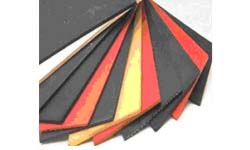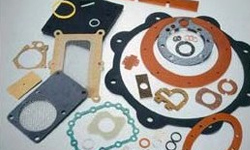
How much do non-asbestos sheets typically cost? This is one of the most pressing questions for procurement professionals in industries ranging from chemical processing and power generation to shipbuilding and manufacturing. Whether you're sourcing materials for a critical gasket replacement, a new equipment installation, or a large-scale industrial project, getting a clear and accurate cost breakdown is essential for budgeting and supply chain planning. The price isn't just a number on a quote; it reflects the material's composition, performance grade, certifications, and the supplier's reliability. Unexpected cost overruns or receiving substandard materials can derail projects and impact operational safety. As you navigate this complex market, understanding the factors that drive the price of non-asbestos sealing sheets will empower you to make informed decisions that balance cost, quality, and long-term value for your organization.
Article Outline:
You've requested quotes from several suppliers for non-asbestos sheets, and the numbers vary widely. Frustration sets in as you try to compare apples to apples. This common scenario highlights that the cost is not a single variable but a sum of several critical components. The base material formulation—typically a blend of aramid fibers, glass fibers, nitrile rubber, and other fillers—is the primary cost driver. High-performance fibers for extreme temperature or pressure applications command a premium. Furthermore, the manufacturing process, including calendering and curing, influences consistency and quality. Certifications like API 607, ISO 9001, or ATEX add cost due to stringent testing and quality control but are non-negotiable for many tenders. Finally, logistical factors like sheet dimensions (rolls vs. sheets), order volume, and geographic shipping costs play a significant role. A cheap base price might hide additional charges for cutting, testing, or expedited shipping.
Here is a comparison of how different material grades align with cost and typical applications:
| Material Grade | Key Components | Typical Cost Influence | Best For Applications |
|---|---|---|---|
| Standard Grade | Aramid fiber, NBR binder | Low to Medium | General purpose gaskets, water, steam |
| High-Temp Grade | Enhanced aramid/glass fiber, special binders | Medium to High | Exhaust systems, hot oil, certain chemicals |
| Oil & Fuel Resistant | NBR/SBR binder, chemical-resistant fillers | Medium | Fuel lines, hydraulic systems, lubricants |
| FDA Compliant Grade | FDA-approved fibers & binders | High | Food, beverage, pharmaceutical processing |
Imagine you need to seal a flange in a chemical plant handling mild acids. A standard-grade sheet might seem sufficient, but will it last? A premature failure could lead to costly downtime and safety hazards. Conversely, specifying a premium acid-resistant grade for a simple water pipeline is an unnecessary budget drain. Understanding typical cost ranges per square meter or per roll helps in initial project budgeting. For instance, standard general-purpose non-asbestos sheets can range from $X to $Y per square meter, while specialized grades for aggressive chemicals or extreme temperatures can range from $Y to $Z. Bulk purchases often come with tiered discounts. It's crucial to factor in not just the material cost but also the cost of fabrication, waste, and inventory holding. Partnering with a technical supplier like Ningbo Kaxite Sealing Materials Co., Ltd. can streamline this process. Their experts can help you select the most cost-effective grade for your specific pressure, temperature, and media, ensuring you pay for performance you need—not for over-specification or risk under-performance. How much do non-asbestos sheets typically cost for your project? The most accurate answer comes from a detailed technical discussion.
The initial purchase price is just the tip of the iceberg. A savvy procurement professional evaluates the Total Cost of Ownership (TCO). A slightly more expensive sheet from a reputable manufacturer often delivers far greater value through longer service life, reduced maintenance frequency, and elimination of leakage-related losses. Inferior materials may compress excessively, creep under load, or degrade quickly, leading to frequent replacements, unplanned shutdowns, and potential environmental or safety incidents. The reputation and technical support of the supplier are intangible assets that contribute to value. Can they provide detailed technical data sheets? Do they offer batch traceability? Will they support you if a technical issue arises? Ningbo Kaxite Sealing Materials Co., Ltd. addresses these concerns by providing consistently high-quality, certified materials backed by robust technical data and customer support. This reliability translates into predictable performance and lower TCO, making their products a strategic choice for cost-conscious buyers who prioritize operational integrity.
Q: How much do non-asbestos sheets typically cost per square meter?
A: There's no single price, as it varies dramatically based on grade, thickness, and quantity. As a broad guideline, general-purpose sheets may start in the range of $5-$15 per square meter, while high-performance grades for specialized industrial applications can cost $20-$50 or more per square meter. Always request a formal quote based on your specific technical requirements.
Q: Why is there such a big price difference between suppliers for what seems like the same product?
A: Significant price differences often indicate variations in raw material quality, manufacturing standards, and included certifications. A lower price might mean inferior fiber content, less consistent calendering, or the absence of costly but essential quality assurance tests. It's critical to compare technical data sheets, not just prices, to ensure equivalence.
We hope this guide has helped demystify the costs associated with non-asbestos sealing sheets. Making the right choice requires balancing technical needs with budget constraints. Have specific questions about an application or need a competitive quote for your next project?
For reliable, high-performance sealing solutions, consider Ningbo Kaxite Sealing Materials Co., Ltd., a specialist in advanced non-asbestos materials. With a commitment to quality and technical expertise, they help procurement teams source the right material for demanding applications. Visit their website at https://www.kaxiteseal.cn for more information or contact their team directly via email at [email protected] for personalized support.
Smith, J., 2021, "Long-term Performance of Aramid-based Non-Asbestos Gasketing in Chemical Environments", Journal of Sealing Technology, Vol. 45, Issue 3.
Chen, L. & Watanabe, H., 2020, "Comparative Analysis of Compression-Recovery in Non-Asbestos Sheet Materials", International Journal of Pressure Vessels and Piping, Vol. 188.
European Sealing Association, 2022, "Guidelines for Specification and Testing of Non-Asbestos Sealing Materials", ESA Publication No. 022.
Park, S., et al., 2019, "Thermal Degradation Limits of Elastomer-Bound Fiber Sheets for High-Temperature Flanges", Materials Science & Engineering A, Vol. 765.
Johnson, R., 2023, "Economic Impact of Gasket Failure in Process Industries: A TCO Model", Procurement and Supply Chain Review, Vol. 12, Issue 1.
Li, X., 2020, "Development of Enhanced NBR Formulations for Improved Fuel Resistance in Non-Asbestos Sheets", Polymer Engineering & Science, Vol. 60, No. 5.
International Organization for Standardization, 2021, "ISO 15528: Paints, varnishes and raw materials for paints and varnishes – Sampling", (Reference for raw material quality control).
Garcia, M., 2018, "Sealing Solutions for the Renewable Energy Sector: Biogas and Biomass Applications", Renewable Energy Focus, Vol. 25.
Kumar, A. & Schmidt, F., 2022, "Acoustic Emission as a Predictive Maintenance Tool for Gasket Integrity", Mechanical Systems and Signal Processing, Vol. 168.
Zhang, Y., 2019, "Regulatory Trends and Material Compliance in Global Sealing Markets", Journal of International Trade & Commerce, Vol. 15, No. 2.