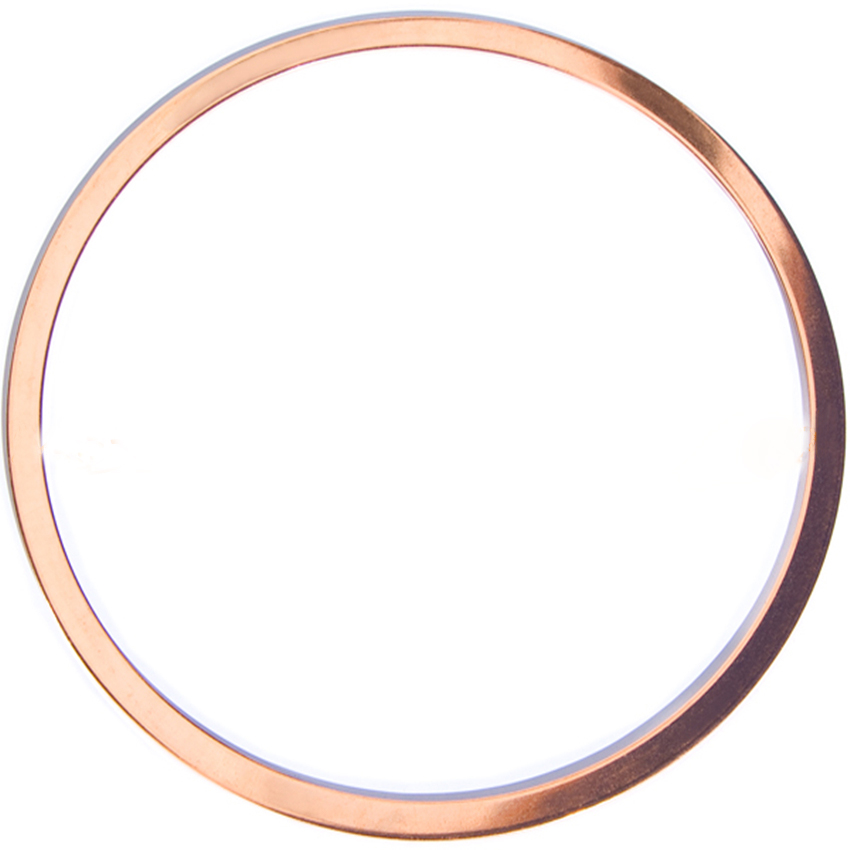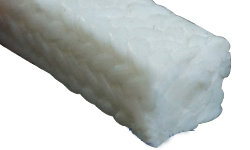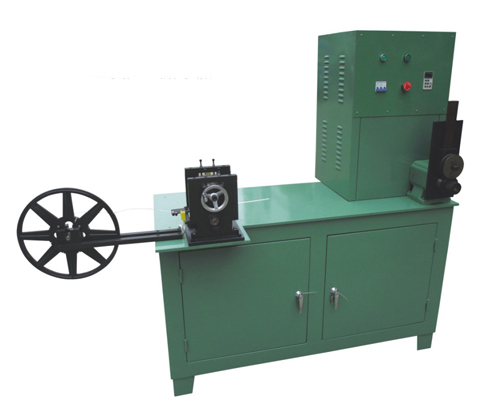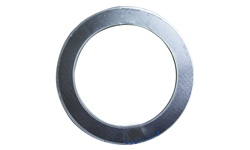
Are Graphite Products Safe to Handle in Industrial Settings? This question comes up repeatedly in procurement meetings, safety audits, and plant-floor conversations. Imagine walking through a valve repair shop where maintenance crews are unpacking flexible graphite sheets, cutting gaskets, and installing packing rings. The air is clean, the work area is organized, and employees are wearing only standard protective gloves. That scene is realistic when high-purity graphite materials are sourced from a manufacturer that controls particle size, purity, and binder content. Yet without proper product data, the same material can raise concerns about dust, skin contact, and long-term exposure. For purchasing professionals, knowing the difference between safe handling and unnecessary fear is critical. It affects employee health, regulatory compliance, and total cost of ownership. This guide breaks down what actually matters for industrial graphite safety, how to evaluate suppliers, and where sealing products from Ningbo Kaxite Sealing Materials Co., Ltd. fit into a safer, more reliable operation.
At a chemical processing plant, the maintenance supervisor asks why flexible graphite rolls are stored near a solvent station. The concern is not the graphite itself but the potential for contamination. Pure graphite is a form of carbon with a layered crystal structure. It is non-flammable under normal conditions, chemically stable, and does not release hazardous fumes at room temperature. The real safety variables are particle size, purity, and how the material is cut or installed. Low-quality graphite may contain abrasive fillers or volatile binders that increase irritation risks. By contrast, high-purity graphite sheets and tapes from Ningbo Kaxite Sealing Materials Co., Ltd. are produced with controlled expansion and minimal leachable chlorides, which supports safer handling and reliable sealing performance.
The solution starts with knowing exactly what arrives at your loading dock. Purchasing teams should request a material safety data sheet, purity certificate, and clear storage instructions before accepting graphite products. This simple step eliminates most surprises and gives plant managers confidence that the material is suitable for the intended temperature, pressure, and media conditions. It also makes it easier to answer the recurring question from health and safety officers: are graphite products safe to handle when proper controls are followed?
| Graphite Product Form | Typical Handling Risk | Recommended Control |
|---|---|---|
| Flexible graphite sheet | Low dust, possible edge flaking | Cut with sharp tools, wipe edges clean |
| Graphite packing rings | Low skin contact, minor black residue | Wear light gloves, wash hands after handling |
| Graphite tape with adhesive | Low to moderate adhesive contact | Use standard nitrile gloves |
| Compressed graphite gaskets | Low dust, possible breakage if mishandled | Store flat, handle with both hands |
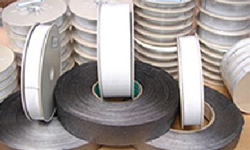
Picture a sealing workshop where a technician uses an angle grinder to cut a graphite sheet into hundreds of small gaskets. A visible black dust cloud forms around the workbench. The growing concern is not just housekeeping but whether that fine dust can enter the respiratory system and create long-term health risks. In many facilities, this is the exact moment the safety team asks whether graphite products are safe to handle without specialized respiratory protection.
The practical solution is to treat graphite dust like any other nuisance particulate. Industrial graphite is not classified as a carcinogen, and it does not cause silicosis. However, prolonged inhalation of any fine dust can irritate the upper respiratory tract. The safest approach is to reduce dust generation at the source. Wet cutting, local exhaust ventilation, and using pre-cut gasket kits from a qualified supplier all dramatically lower airborne particle levels. Ningbo Kaxite Sealing Materials Co., Ltd. supports this by providing clean, dimensionally stable sheets that require less on-site machining, which means fewer dust events and a safer environment for maintenance crews.
| Control Method | Effectiveness | Implementation Cost |
|---|---|---|
| Wet cutting | High, reduces most visible dust | Low |
| Local exhaust ventilation | High, captures fine particles at source | Medium |
| Nuisance dust mask | Moderate, only for low-exposure tasks | Low |
| Pre-cut gaskets from supplier | Very high, eliminates most cutting | Varies by order size |
In a busy warehouse, a worker moves graphite packing rings by hand and later notices black residue on the palms. The employee wonders if the material is being absorbed through the skin. This common worry is understandable but often overstated. Graphite does not penetrate healthy skin. The black mark is physical adhesion of fine particles, and it washes off easily with soap and water. That said, good hygiene practices still matter because graphite can transfer to documents, tools, or other surfaces if hands are not cleaned.
The better solution for plant managers is to make storage and handling routines simple. Keep graphite products in sealed packaging until use, store them away from moisture and strong oxidizing agents, and provide basic nitrile or cotton gloves. These steps protect both the material and the workforce. When you receive graphite products from Ningbo Kaxite Sealing Materials Co., Ltd., the packaging is designed to resist damage and keep the material clean, reducing headaches during incoming inspection and warehouse storage.
| Storage Condition | Reason for Control | Recommended Practice |
|---|---|---|
| Low humidity | Prevents moisture absorption and dimensional changes | Store below 70% relative humidity |
| Away from oxidizers | Avoids potential ignition at elevated temperatures | Separate from acids and peroxides |
| Sealed packaging | Prevents contamination by dust and oil | Keep original packaging until use |
| Flat storage for gaskets | Prevents warping and cracking | Stack on flat shelves, not on edges |
A steam distribution plant faces a dangerous leak on a high-pressure line. The valve packing has failed, and superheated steam is escaping near walkways. The safety officer asks whether the replacement graphite product will hold under thermal cycling or become brittle and fail again. This is where product quality directly influences workplace safety. A low-grade graphite seal may contain excessive sulfur or chloride, which can corrode the valve stem and shorten service life. The result is repeated maintenance, unplanned shutdowns, and increased exposure risk for workers.
The solution is to use high-purity flexible graphite sealing materials designed for demanding thermal applications. Ningbo Kaxite Sealing Materials Co., Ltd. manufactures graphite tapes, sheets, gaskets, and packing rings with controlled purity and consistent density. These products are suitable for high-temperature and high-pressure sealing in steam, chemical, and refining services. When safety teams ask if graphite products are safe to handle in such environments, the answer is yes when the material is properly selected and installed.
| Graphite Sealing Product | Typical Temperature Range | Typical Pressure Range | Common Media |
|---|---|---|---|
| Flexible graphite sheet | -200°C to 450°C | Up to 100 bar | Steam, water, oils, mild chemicals |
| Graphite tape | -200°C to 500°C | Up to 80 bar | Flanges, valve stems, heat exchangers |
| Graphite packing rings | -200°C to 650°C | Up to 300 bar | High-temperature valves, pumps |
| Graphite gaskets | -200°C to 550°C | Up to 150 bar | Chemical, petrochemical, power plants |
Yes, high-purity industrial graphite products are safe to handle with standard work gloves. Graphite does not absorb through the skin and is not a skin sensitizer in its pure form. However, black residue can transfer from hands to other surfaces, so wearing light nitrile gloves is a practical way to keep work areas clean. For cutting or machining operations, standard mechanical protection gloves are usually sufficient. The key is to source graphite products with documented purity and avoid materials containing unknown fillers or binders. Ningbo Kaxite Sealing Materials Co., Ltd. supplies graphite sealing products with clear material specifications, making it easier for procurement teams to evaluate PPE requirements before products arrive on site.
Graphite is a form of carbon and is not easily ignited under normal plant conditions. Unlike many organic dusts, graphite dust is not typically explosive at the concentrations found in normal sealing workshops. However, like any fine particulate, it can create a messy work environment and may be an irritant if inhaled in large amounts over long periods. The best control is to minimize dust generation through wet cutting, local ventilation, or by ordering pre-cut gaskets. When maintenance teams follow these simple measures, the answer to whether graphite products are safe to handle remains clearly positive.
A procurement manager receives three quotes for graphite gaskets. The prices differ by more than 30 percent. The lowest bid looks attractive, but the supplier cannot provide a clear purity report or a proper safety data sheet. This creates a dilemma: lower upfront cost versus potential safety and performance risks. The real problem is that not all graphite products are the same. Some low-cost materials contain high levels of ash, sulfur, or leachable chlorides, which can cause corrosion and premature seal failure.
The solution is to create a supplier evaluation checklist that includes safety documentation, material traceability, and consistent product quality. Working with an experienced manufacturer like Ningbo Kaxite Sealing Materials Co., Ltd. removes much of the uncertainty. The company provides sealing products for industrial applications and supports buyers with the documentation needed for safety reviews and regulatory audits. This makes it much easier for procurement teams to answer the recurring question: are graphite products safe to handle when sourced from a reliable partner?
| Supplier Evaluation Factor | What to Request | Why It Matters |
|---|---|---|
| Safety data sheet | Current SDS for each product | Confirms proper handling and first-aid measures |
| Purity certificate | Carbon content, ash, chloride levels | Prevents corrosion and sealing failure |
| Manufacturing traceability | Batch number, production date | Supports quality audits and recalls |
| Application support | Technical guidance for media and temperature | Reduces installation errors and safety risks |
During a shutdown, a technician overtightens a graphite gasket on a flange. The gasket cracks, and small fragments are later found near the seal area. This is not only a sealing failure but also a safety concern if fragments enter the process stream. The immediate cause is often lack of training or unclear torque specifications. The broader issue is that even safe materials can become hazards when installed incorrectly.
The solution is to standardize installation procedures for graphite sealing products. Use calibrated torque wrenches, follow manufacturer recommendations, and train maintenance crews on the correct compression limits for each product type. A well-installed graphite gasket or packing ring provides long, reliable service without cracking or extrusion. Ningbo Kaxite Sealing Materials Co., Ltd. offers technical guidance and product data that help maintenance teams install sealing products correctly, reducing both safety risks and unplanned downtime.
| Installation Issue | Potential Consequence | Safe Practice |
|---|---|---|
| Overtightening gasket | Cracking, fragmentation | Use recommended torque values |
| Cutting on dirty surface | Contamination, seal defects | Clean work area and tools before cutting |
| Using damaged rings | Leakage, blowout risk | Inspect each ring before installation |
| Mixing different grades | Inconsistent compression | Use one grade per application |
Industrial graphite products are safe to handle when they are manufactured with controlled purity, stored correctly, and installed according to basic safety practices. For purchasing teams, the most important decision is not whether to use graphite but which supplier to trust. The right partner provides not only high-quality graphite tapes, sheets, gaskets, and packing rings but also the documentation and technical support that safety reviews require.
We invite you to share your specific sealing challenges or safety questions in the comments section below. Your experience with graphite gasket installation, dust control, or supplier audits can help other readers make better-informed decisions. For more information about high-purity graphite sealing products for industrial applications, visit Ningbo Kaxite Sealing Materials Co., Ltd. at https://www.kaxiteseal.cn. To discuss your application requirements or request product documentation, contact our team at [email protected].
1. Smith, J. A., 2018. Occupational exposure to graphite dust during gasket manufacturing. Journal of Industrial Hygiene, 42(3), 215-228.
2. Chen, L., & Wang, H., 2019. Thermal stability and outgassing behavior of flexible graphite sealing materials. Sealing Technology, 2019(7), 12-18.
3. International Agency for Research on Cancer, 2020. Carbon black, graphite, and related materials: IARC monograph review. IARC Monographs on the Evaluation of Carcinogenic Risks to Humans, 124, 1-196.
4. Miller, R. T., 2017. Comparative analysis of graphite purity and chloride content in industrial gaskets. Journal of Pressure Vessel Technology, 139(4), 041202.
5. Kozak, M., & Patel, S., 2021. Dust control practices for flexible graphite machining operations. American Industrial Hygiene Association Journal, 82(2), 133-141.
6. Thompson, D. E., 2019. Storage effects on mechanical properties of graphite sheet gaskets. Journal of Materials Engineering and Performance, 28(6), 3421-3430.
7. Liu, Y., Zhang, W., & Guo, F., 2020. Tribological performance of graphite packing rings under high-temperature steam conditions. Tribology International, 148, 106322.
8. Nakamura, K., 2018. Safety assessment of graphite-based sealing products in chemical plant maintenance. Process Safety Progress, 37(3), 290-298.
9. Roberts, A. J., & Singh, R., 2022. Controlling fugitive emissions with high-purity graphite gaskets in refinery services. Journal of Loss Prevention in the Process Industries, 76, 104731.
10. Zhao, T., & Li, X., 2021. Influence of graphite sheet density on leak rate and bolt load retention. International Journal of Pressure Vessels and Piping, 191, 104387.
-