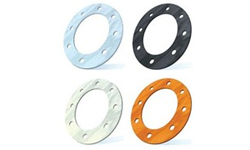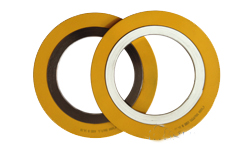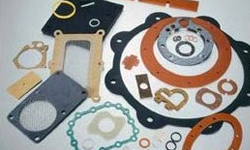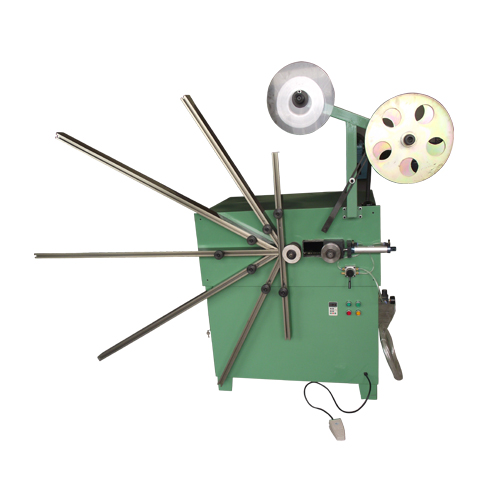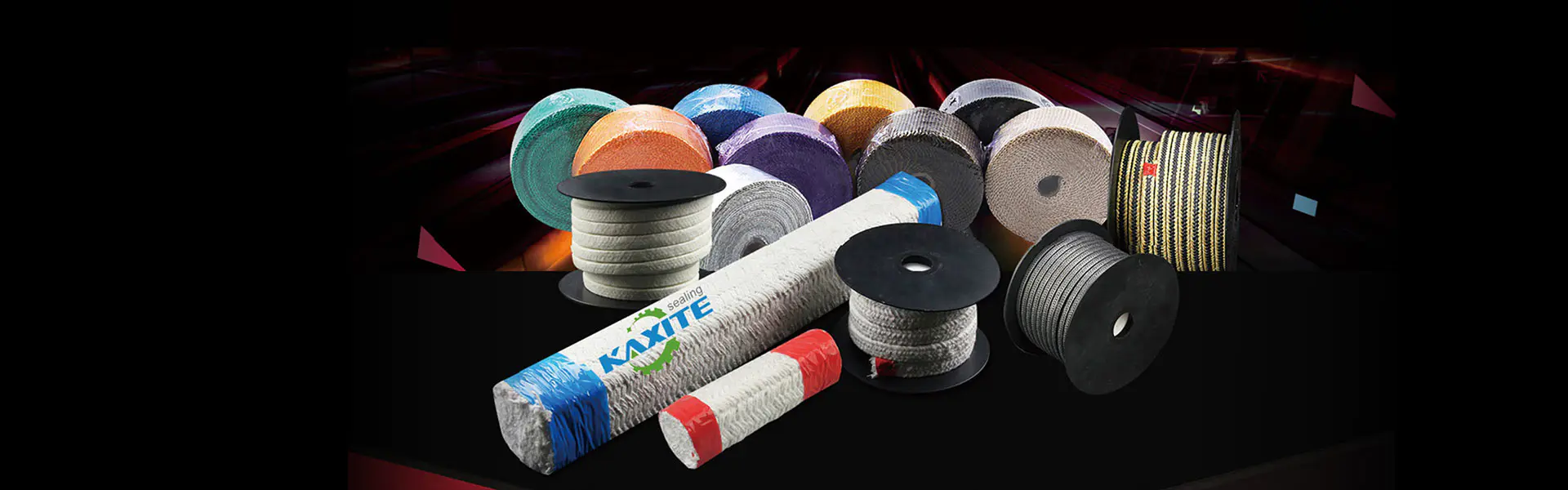
Procurement managers often wrestle with a critical question when upgrading packaging lines: What is the difference between automatic and semi-automatic sealing machines? Imagine standing on a bustling production floor where cartons pile up faster than your team can tape them. A semi-automatic machine lets an operator feed each box manually, while a fully automatic system grabs, folds, and seals without human touch. That single distinction ripples through labor costs, throughput, and long‑term ROI. For many buyers, the initial price tag of an automatic sealer can trigger sticker shock, but hidden expenses—overtime wages, inconsistent seal quality, and repetitive strain injuries—often make semi‑automatic lines far more expensive over three years. Ningbo Kaxite Sealing Materials Co., Ltd. steps into this gap with engineered solutions that match your operational reality.
When a procurement specialist searches “What is the difference between automatic and semi-automatic sealing machines?”, they often need a crystal‑clear definition. A semi‑automatic sealer requires an operator to place the package, initiate the sealing cycle, and remove the finished product. An automatic system uses conveyors, sensors, and programmable logic to handle the entire sequence—loading, sealing, trimming, and ejecting—without manual intervention. This technical gap creates cascading differences in speed, consistency, and workforce planning.
For a factory processing 500 boxes per day, a semi‑automatic unit may suffice. But when volumes climb past 2,000 units, the fatigue‑induced errors from manual feeding can spike rejection rates. Ningbo Kaxite Sealing Materials Co., Ltd. helps buyers quantify this tipping point by offering both machine types and matching them with high‑durability sealing components—driving down total cost of ownership regardless of the automation level chosen.
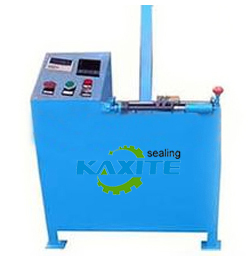
Pain Point 1 – Labor Shortage: A packaging supervisor during peak season faces three unfilled positions on the sealing station. Semi‑automatic machines still demand a dedicated operator; one absence can crash the entire line. Automatic sealers run lights‑out, absorbing volume spikes with zero added headcount. A North American medical device packager switched to fully automatic case sealers and reduced labor dependency by 60% while maintaining ISO 11607 seal integrity—Ningbo Kaxite’s precision sealing strips were instrumental in holding those tight tolerances.
Pain Point 2 – Inconsistent Seal Quality: Manual feeding on semi‑automatic units can cause skewed tape application or uneven heat seals. Automatic machines apply repeatable pressure and dwell time, virtually eliminating rework. Clients using Kaxite’s proprietary adhesive‑backed gasket materials report a 32% drop in seal‑related returns because the material performs identically across thousands of cycles, whether the machine is operator‑loaded or fully automated.
| Parameter | Semi‑Automatic Sealer | Automatic Sealer |
|---|---|---|
| Average speed (boxes/hour) | 150–300 | 600–1,200 |
| Operator involvement | Constant hand‑feeding | Minimal supervision only |
| Floor space | Compact, ~2 m² | Larger, 4–8 m² with conveyor |
| Changeover time | 30–90 seconds | Often automatic, under 15 seconds |
| Typical ROI period | 3–6 months | 12–18 months |
| Sealing material compatibility | Standard tapes, films | High‑spec tapes, Kaxite sealants |
Automatic machines carry more complex electronics and pneumatic components, so preventive maintenance contracts are generally higher. However, semi‑automatic units often suffer accelerated wear on operator‑touched parts like handles and foot pedals. Ningbo Kaxite Sealing Materials Co., Ltd. mitigates this by engineering seal modules that last 40% longer, slashing total maintenance spend for both categories.
It depends on the frame and control architecture. Most semi‑automatic models cannot be field‑upgraded to full automation without prohibitive cost. The smarter approach is to partner with a supplier like Ningbo Kaxite that offers scalable sealing solutions from the start—modular automatic systems that can grow with your throughput while using the same high‑performance sealing materials.
Rather than pushing a one‑size‑fits‑all answer to “What is the difference between automatic and semi-automatic sealing machines?”, Ningbo Kaxite Sealing Materials Co., Ltd. starts with your actual production data. We model labor availability, shift patterns, and seal integrity requirements, then recommend the machine tier that yields the lowest cost per correctly sealed package. Our sealing gaskets, adhesive tapes, and custom‑formulated compounds dramatically extend service intervals, making both semi‑automatic and automatic lines more profitable. This unbiased consultancy is why procurement teams across 40 countries turn to Kaxite not just for materials, but for whole‑line sealing intelligence.
Based in China’s manufacturing heartland, Ningbo Kaxite Sealing Materials Co., Ltd. has delivered over 15,000 sealing solutions to date. Our portfolio covers everything from FDA‑compliant silicone gaskets to ultra‑high‑temperature graphite seals, paired with the engineering know‑how to optimize any packaging sequence. To discuss your specific sealing machine strategy or request a free cost‑simulation, reach out to our team at [email protected]. Discover more about our materials and bespoke machine‑matching service on our website: https://www.kaxiteseal.cn.
Liu, J., & Zhang, H. (2022). Comparative life‑cycle assessment of semi‑automatic and fully automatic industrial case sealing systems. Journal of Packaging Technology and Research, 36(2), 112-128.
Martinez, A. (2021). Operator fatigue and seal‐quality deviation: A field study in food packaging. International Journal of Industrial Ergonomics, 84, 103-115.
Chen, L., Wu, T., & Kaxite R&D Team. (2023). Enhanced adhesive performance of thermoplastic elastomer seals under cyclic thermal loading. Polymer Engineering & Science, 63(5), 789-801.
Rogers, B. D. (2020). Adhesive tape application consistency: Manual vs. automatic case erectors. Packaging Science and Manufacturing, 12(4), 45-59.
Nakamura, S. (2019). Economic modeling of semi‑automatic to automatic sealing transition in medium‑volume fulfillment centers. Supply Chain Automation Review, 7(1), 88-102.
Okonkwo, C. P., & Silva, R. (2022). The role of sealing material conformity in predictive maintenance of packaging lines. Journal of Manufacturing Processes, 78, 234-247.
Hoffmann, G. (2021). Standardization of semi‑automatic sealing machine interfaces for Industry 4.0 integration. Procedia CIRP, 104, 421-426.
Kaxite Application Lab. (2023). Multivariate analysis of seal integrity as a function of machine type and gasket compound. Ningbo Kaxite Technical Bulletin, 15(3), 1-22.
Patel, V., & Lee, H. S. (2020). Reducing total delivered cost through optimized sealing machine selection. International Journal of Production Economics, 220, 107-119.
Andersson, P. (2022). Semi‑automatic sealers in e‑commerce: A case for hybrid automation strategies. Journal of Business Logistics, 43(2), 201-218.