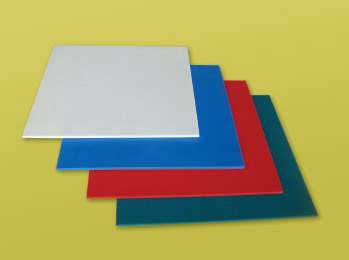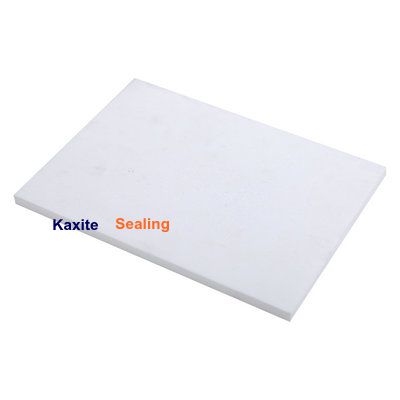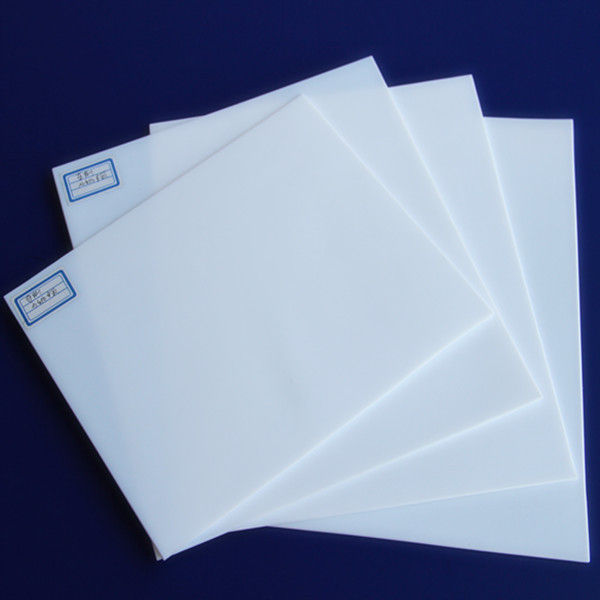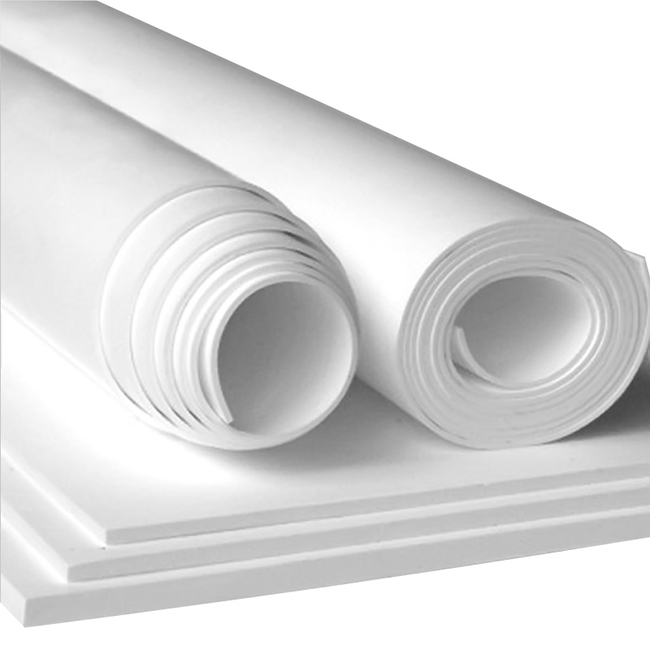
In the demanding world of industrial materials, few substances offer the unique combination of properties found in Polytetrafluoroethylene, universally known as PTFE. At Kaxite, we specialize in manufacturing premium-grade PTFE Sheet that serves as a critical component across countless applications requiring exceptional chemical resistance, thermal stability, and a low coefficient of friction. This versatile fluoropolymer is engineered to perform where other materials fail, providing reliable, long-lasting solutions for engineers, designers, and maintenance professionals.
A PTFE sheet is a semi-finished product made from compressed and sintered PTFE resin. Its nearly universal chemical inertness, outstanding electrical insulating properties, and ability to function across a wide temperature range (from -200°C to +260°C continuously) make it indispensable. From sealing and gasketing in aggressive chemical environments to serving as non-stick liners and low-friction bearings, the applications are virtually limitless. Kaxite's commitment to quality ensures that every sheet we produce meets the highest standards of purity and performance, providing a dependable material foundation for your most challenging projects.
The superiority of PTFE stems from its molecular structure, characterized by strong carbon-fluorine bonds. This structure grants Kaxite PTFE sheets a set of unparalleled advantages:
Kaxite offers a comprehensive range of PTFE sheets to meet diverse industrial needs. Our standard and custom products are characterized by the following parameters. The data presented is typical for virgin, unfilled PTFE material.
| Property | Test Method | Typical Value | Units |
|---|---|---|---|
| Density | ASTM D792 | 2.15 - 2.20 | g/cm³ |
| Tensile Strength | ASTM D638 | 25 - 35 | MPa |
| Elongation at Break | ASTM D638 | 300 - 500 | % |
| Compressive Strength | ASTM D695 | 12 | MPa |
| Hardness, Shore D | ASTM D2240 | 50 - 65 | - |
| Coefficient of Friction (Dynamic, vs Steel) | ASTM D1894 | 0.05 - 0.10 | - |
| Property | Test Method | Typical Value | Units |
|---|---|---|---|
| Continuous Service Temperature | - | -200 to +260 | °C |
| Melting Point | ASTM D3418 | 327 | °C |
| Thermal Conductivity | ASTM C177 | 0.25 | W/(m·K) |
| Linear Coefficient of Thermal Expansion | ASTM D696 | 100 x 10-6 | K-1 |
| Dielectric Strength (1mm thick) | ASTM D149 | 40 - 60 | kV/mm |
| Volume Resistivity | ASTM D257 | >1018 | Ω·cm |
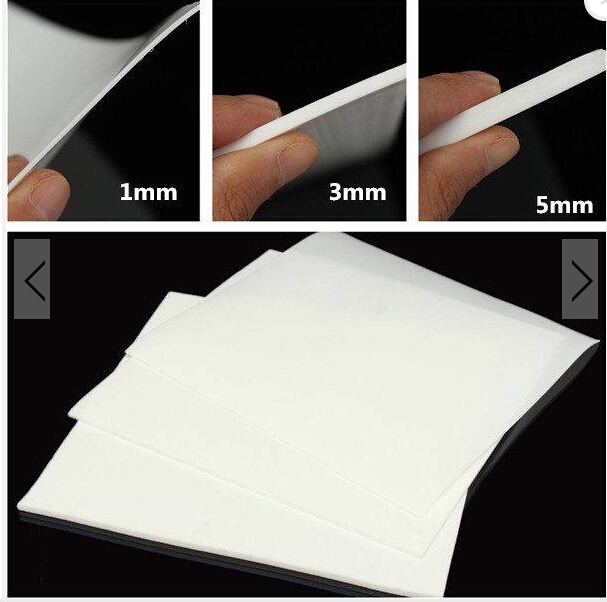
We provide PTFE sheets in various standard dimensions and can customize to your specific requirements.
What is the main difference between PTFE and Teflon™?
Teflon™ is a well-known brand name for PTFE (Polytetrafluoroethylene) owned by Chemours (formerly DuPont). Chemically, they are the same material. Kaxite manufactures high-quality PTFE sheets that exhibit all the superior properties associated with the Teflon™ name, providing a reliable and often more cost-effective alternative for industrial users.
Can Kaxite PTFE sheets be machined or fabricated easily?
Yes, PTFE is relatively soft and can be easily machined using standard workshop tools. It can be cleanly cut, drilled, turned, milled, and punched. However, due to its plasticity and low thermal conductivity, specific techniques are recommended: use sharp tools, provide good chip clearance, and employ coolant to manage heat buildup for optimal results. Kaxite can also provide custom pre-fabricated parts based on your drawings.
How does temperature affect the performance of a PTFE sheet?
PTFE maintains excellent mechanical properties over an extremely wide range. At cryogenic temperatures, it remains flexible and does not become brittle. At its high end (up to 260°C continuously), it does not melt but may exhibit increased creep (cold flow). Prolonged exposure above 300°C can lead to thermal degradation. Its electrical properties remain stable across this entire temperature spectrum.
Are there any chemicals that attack or degrade PTFE?
PTFE is resistant to almost all commercially relevant chemicals. The only known agents that can affect it under specific conditions are elemental alkali metals (like molten sodium), certain fluorine compounds, and halogenated agents at very high temperatures and pressures. For all practical industrial purposes, Kaxite PTFE sheets are considered chemically inert.
When should I consider using filled PTFE compounds instead of virgin PTFE?
Virgin PTFE has relatively low wear resistance and is prone to creep under heavy load. Filled compounds enhance specific properties:
How do I clean and maintain PTFE sheets or components?
Thanks to its non-stick property, PTFE is very easy to clean. Most contaminants can be wiped off. For more stubborn deposits, washing with warm soapy water or common solvents is effective. Avoid abrasive pads or scouring powders that might scratch the surface. For high-purity applications, it can be sterilized using autoclaves, chemical sterilants, or radiation.
Is PTFE safe for use in food processing or medical applications?
Yes, specific grades of PTFE are approved for such uses. Kaxite offers FDA-compliant PTFE sheets that conform to FDA Title 21 CFR 177.1550 for repeated food contact. For medical devices, USP Class VI compliant grades are available, which have passed rigorous biological reactivity tests. It is crucial to specify your regulatory requirements when ordering.
What are the limitations of PTFE that I should be aware of?
While exceptional in many areas, PTFE has a few limitations: It has relatively low mechanical strength and stiffness compared to metals or some engineering plastics. It exhibits significant cold flow (creep) under sustained heavy loads. It can be difficult to bond without specialized surface treatments (like sodium etching). It has a high coefficient of thermal expansion. Understanding these factors is key to successful design, and Kaxite's technical team can advise on mitigating strategies or alternative materials if needed.
The unique property profile of PTFE makes it a material of choice in dozens of industries. Here are some of the most common applications for Kaxite PTFE sheets: