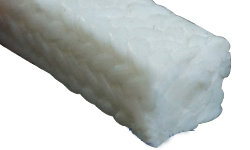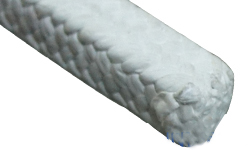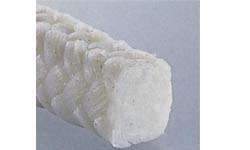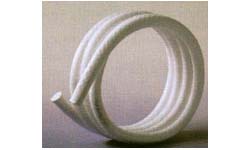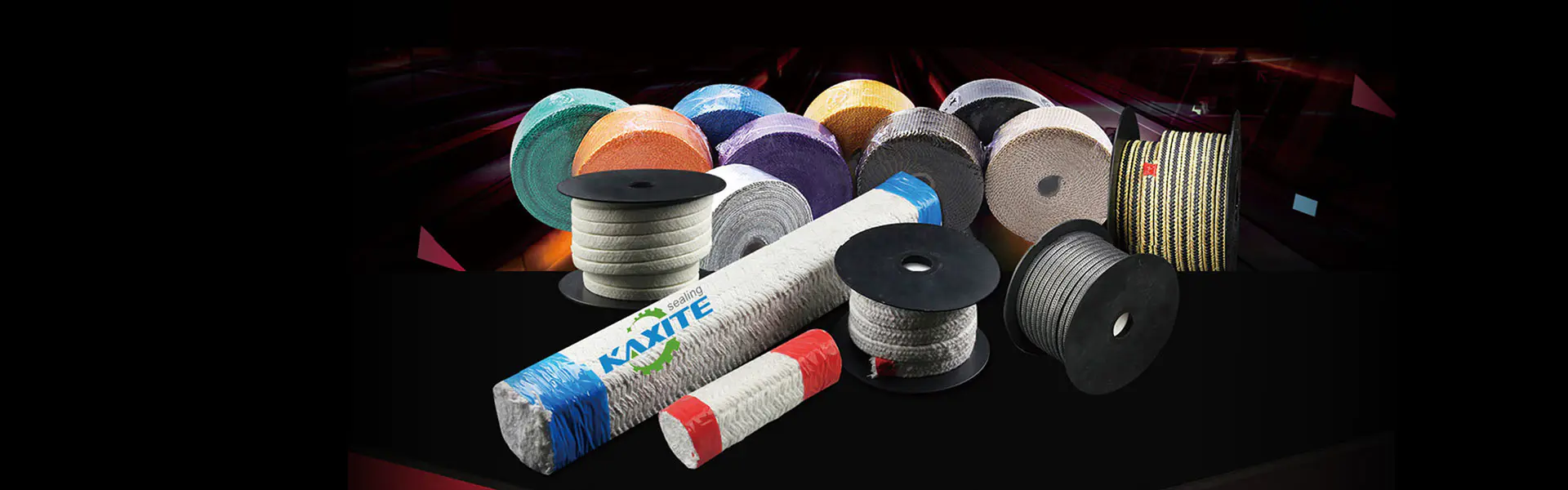
For over two decades, professionals across the globe have relied on PTFE Packing to solve their most challenging sealing problems. As a cornerstone of modern industrial sealing technology, PTFE (Polytetrafluoroethylene) packing offers an unparalleled combination of chemical resistance, temperature tolerance, and low friction. At Kaxite, we have dedicated our expertise to engineering advanced PTFE packing solutions that not only meet but exceed the rigorous demands of industries from chemical processing and pharmaceuticals to food and beverage, and power generation. Our commitment is to deliver reliability where failure is not an option.
This comprehensive guide delves into the technical specifications, applications, and advantages of high-performance PTFE Packing. We will explore the material science behind its success, provide detailed product parameter tables, and answer the most frequently asked questions to help you make an informed decision for your specific application.
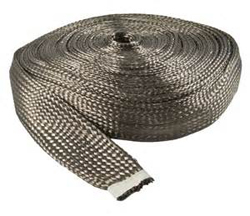
PTFE is a synthetic fluoropolymer celebrated for its exceptional properties. When braided, twisted, or laminated into sealing packing, it provides a unique set of advantages:
Kaxite offers a diverse portfolio of PTFE packing products, each engineered for specific service conditions. Below are detailed parameters for our flagship series.
| Parameter | Specification | Benefits |
|---|---|---|
| Material Composition | 100% Virgin PTFE Fibers, White | Maximum chemical purity, ideal for sensitive processes. |
| Temperature Range | -268°C to +288°C (-450°F to +550°F) | Versatile for extreme cold and heat applications. |
| pH Range | 0 - 14 | Seals effectively across the entire pH spectrum. |
| Specific Gravity | 2.1 - 2.3 | Lightweight yet durable construction. |
| Standard Sizes | 1/8", 3/16", 1/4", 5/16", 3/8", 1/2", 5/8", 3/4" | Wide availability for common pump and valve sizes. |
| Primary Applications | Chemical Pumps, Pharmaceutical Mixers, Food Processing Valves, Water Treatment | Where purity and broad chemical resistance are critical. |
| Parameter | Specification | Benefits |
|---|---|---|
| Material Composition | PTFE Fibers impregnated with High-Purity Graphite, Black | Enhanced thermal conductivity and self-lubricating properties. |
| Temperature Range | -212°C to +315°C (-350°F to +600°F) in oxidizing atmosphere | Improved performance in high-temperature steam and hot water services. |
| Thermal Conductivity | High (Graphite-enhanced) | Dissipates heat from the stuffing box efficiently, prolonging packing and shaft life. |
| Coefficient of Friction | Extremely Low | Reduces breakout and running torque, saving energy. |
| Standard Sizes | 3/16", 1/4", 5/16", 3/8", 1/2", 5/8" | Optimized for pumps, agitators, and valves in power and process industries. |
| Primary Applications | Boiler Feed Pumps, Steam Valves, Autoclaves, Heat Transfer Systems | Superior performance in high-heat, dynamic sealing applications. |
| Parameter | Specification | Benefits |
|---|---|---|
| Material Composition | PTFE Matrix with Dispersed Graphene Nanoparticles, Dark Grey | Next-generation material with supreme strength and wear resistance. |
| Tensile Strength | >30% higher than standard PTFE packing | Withstands higher pressures and more aggressive shaft movements. | Wear Rate | Exceptionally Low | Dramatically extends service life, reducing maintenance frequency and cost. |
| Temperature Range | -200°C to +300°C (-328°F to +572°F) | Robust performance under thermal cycling. |
| Standard Sizes | 1/4", 3/8", 1/2", 5/8" | Designed for high-duty rotating and reciprocating equipment. |
| Primary Applications | High-Speed Centrifugal Pumps, Compressor Rods, Marine Stern Tubes, Severe Service Valves | Where extended lifespan and reliability under extreme conditions are paramount. |
Q: What is the main difference between pure PTFE packing and PTFE/graphite packing?
A: Pure PTFE packing offers the broadest chemical resistance and is used where media purity is essential, such as in pharmaceuticals or food processing. PTFE/graphite packing incorporates graphite lubricant, which significantly improves thermal conductivity and self-lubrication. This makes it superior for high-temperature applications like steam valves or hot water pumps, as it runs cooler and reduces friction, though it may not be suitable for highly oxidizing acids at peak temperatures.
Q: How do I determine the correct size and number of packing rings for my pump or valve?
A: The packing size is determined by the clearance between the shaft/rod diameter and the stuffing box bore. A general rule is: Packing Cross-Section = (Stuff Box Bore - Shaft Diameter) / 2. The number of rings is typically 5 to 7 for rotating shafts and 4 to 6 for reciprocating rods, but always consult the equipment manual or a Kaxite engineer. Using the correct size ensures proper sealing without excessive friction or premature wear.
Q: Can PTFE packing be used for aggressive acids like hydrofluoric acid or strong caustics?
A: Yes, pure PTFE packing is generally excellent for sealing a vast range of aggressive chemicals, including strong acids and alkalis across the full pH scale. It is particularly renowned for its resistance to harsh chemicals like sulfuric acid, hydrochloric acid, and sodium hydroxide. However, for specific, highly reactive media or unusual combinations, it is always recommended to consult Kaxite's chemical resistance charts or our technical team for confirmation.
Q: What are the installation best practices for PTFE packing to ensure optimal performance?
A: Proper installation is critical. Key steps include: 1) Clean the stuffing box and shaft thoroughly. 2) Use rings cut precisely on a mandrel; joints should be staggered 90 degrees. 3) For braided packings, tighten the gland finger-tight only after installation. 4) After initial start-up, allow a short run-in period (15-30 minutes) and then re-tighten the gland just enough to achieve a slight weep of leakage for lubrication and cooling. Over-tightening is a common cause of premature failure and shaft scoring.
Q: How does Kaxite's PTFE/Graphene packing compare to traditional aramid or carbon fiber packings?
A: Kaxite's PTFE/Graphene packing offers a unique balance. Unlike aramids (e.g., Kevlar®), which can degrade in strong acids or alkalis, PTFE/graphene maintains full chemical resistance. Compared to carbon fiber packings, which excel in high-temperature, high-pressure water but can be problematic in oxidizing atmospheres, PTFE/graphene provides broader chemical compatibility with significantly enhanced mechanical strength and wear resistance over standard PTFE. It is designed for the most severe service where multiple aggressive factors are present.
Q: Is PTFE packing suitable for potable water applications?
A: Absolutely. Kaxite's pure, virgin PTFE packing is manufactured from FDA-compliant materials and is non-toxic, tasteless, and odorless. It does not leach contaminants into the water stream, making it an excellent and safe choice for seals in pumps and valves handling potable water, even under high-pressure conditions.
Q: What maintenance schedule should I expect with a properly installed PTFE packing set?
A: Maintenance intervals vary greatly based on the service conditions: media, temperature, pressure, shaft speed, and alignment. Under moderate conditions with proper installation, high-quality PTFE packing from Kaxite can often provide 6 to 18 months of reliable service before requiring re-tightening or replacement. In severe services, this may be shorter, while in mild, clean services, it can be significantly longer. Monitoring leakage and temperature at the stuffing box is the best practice for determining maintenance needs.