In the vast world of industrial engineering and manufacturing, the integrity of a system is only as strong as its weakest seal. Sealing materials, though often considered small components, play a monumental role in ensuring operational safety, efficiency, and longevity. They prevent leaks, contain pressure, exclude contaminants, and protect against environmental extremes. Selecting the correct seal is not merely a procurement decision; it is a critical engineering choice that impacts maintenance costs, downtime, and overall system reliability. Kaxite, with decades of specialized expertise, stands at the forefront of sealing technology, providing advanced solutions tailored to the most demanding applications across global industries.
Sealing materials serve several fundamental purposes in mechanical systems:
These functions are vital in countless sectors. Kaxite sealing solutions are integral to:
| Industry | Typical Applications | Key Challenges |
|---|---|---|
| Oil & Gas | Flange gaskets, valve seals, pump seals, pipeline connections | High pressure, extreme temperatures, corrosive chemicals (H2S, CO2) |
| Chemical Processing | Reactor lids, agitator shafts, pipe flanges, tank manways | Aggressive chemical attack, thermal cycling, regulatory compliance |
| Power Generation | Turbine casing, steam system valves, heat exchanger gaskets | High-temperature steam, pressure cycling, long-term stability |
| Food & Pharmaceutical | Processing vessel seals, pump seals, sanitary fittings | FDA/EC compliance, non-toxicity, cleanability, sterilization resistance |
| Automotive & Aerospace | Engine gaskets, fuel system seals, hydraulic fittings, avionics | Weight reduction, fuel/oil resistance, wide temperature ranges, vibration |
| Water Treatment | Pump housings, pipe joints, filter press plates, valve stems | Exposure to water, ozone, chlorine, and varying pH levels |
Kaxite offers a comprehensive portfolio of sealing materials, each engineered with precise formulations to meet specific operational envelopes. Below is a detailed comparison of our flagship product lines.
| Grade | Base Polymer | Temperature Range | Key Resistances | Typical Hardness (Shore A) | Primary Applications |
|---|---|---|---|---|---|
| KX-750 NBR | Nitrile Butadiene Rubber | -30°C to +110°C | Excellent resistance to oils, fuels, and hydrocarbons | 50 - 90 | Hydraulic systems, fuel handling, automotive oil seals |
| KX-950 FKM | Fluoroelastomer (Viton® equivalent) | -20°C to +230°C | Outstanding resistance to heat, oils, fuels, acids, and chemicals | 65 - 90 | Chemical process seals, aerospace fuel systems, high-temp engine components |
| KX-550 EPDM | Ethylene Propylene Diene Monomer | -50°C to +150°C | Superior resistance to hot water, steam, ozone, and weathering | 40 - 90 | Heating/cooling systems, water treatment seals, outdoor electrical enclosures |
| KX-350 SI | Silicone Rubber | -60°C to +230°C | Extreme temperature flexibility, good electrical insulation, FDA grades available | 20 - 80 | Food & pharma seals, gaskets for lighting, high/low temp static seals |
| Grade | Core Composition | Density (g/cm³) | Pressure Rating | Temperature Range | Key Features |
|---|---|---|---|---|---|
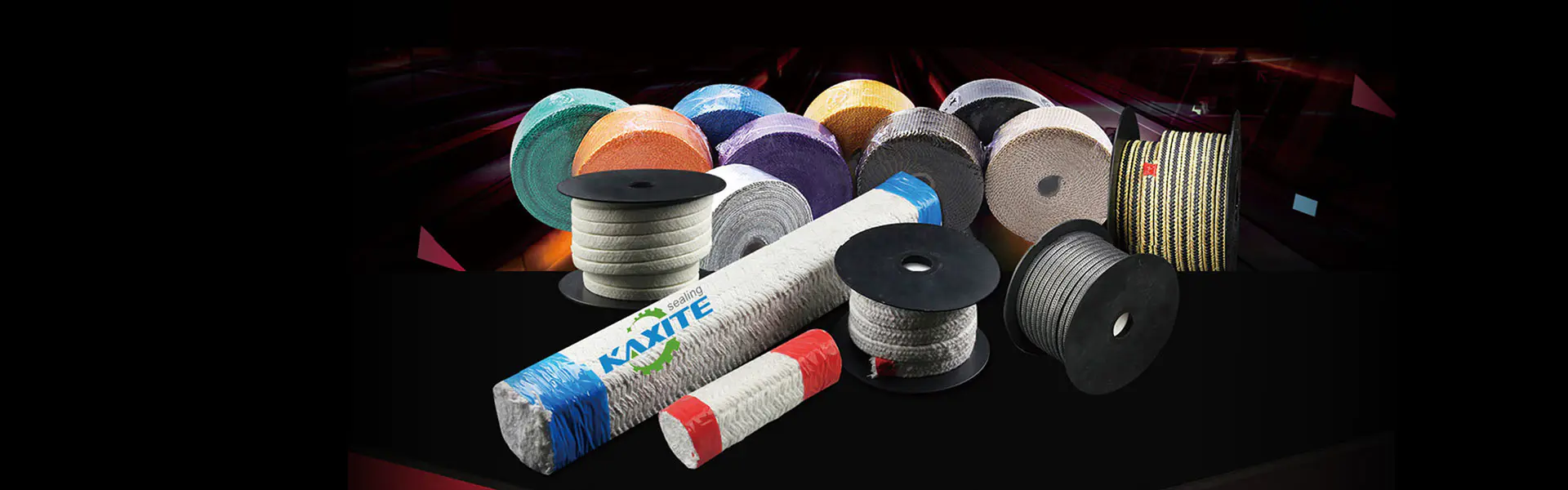
| KX-CNA 3000 | Aramid fibers, NBR binder, additives | 1.6 - 1.8 | Up to 150 Bar | -50°C to +400°C | High tensile strength, excellent torque retention, suitable for irregular flanges |
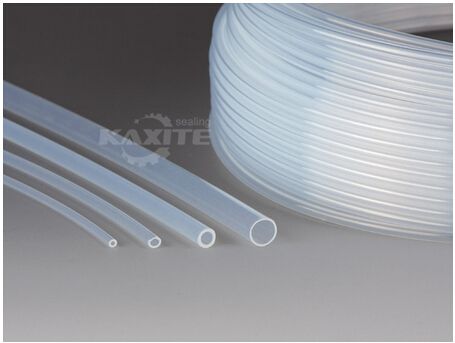
| KX-PTFE 1000 | 100% Virgin Polytetrafluoroethylene | 2.1 - 2.3 | Up to 100 Bar (dependent on design) | -260°C to +260°C | Universal chemical resistance, anti-stick, FDA compliant, excellent dielectric properties |
| KX-ePTFE 2000 | Expanded PTFE tape & sheet | 0.4 - 1.0 | Varies with form | -260°C to +315°C | Highly conformable, seals on low bolt load, used for thread sealing, valve packing |
What factors are most critical when selecting a sealing material?
The selection process must be systemic. The primary factors are: 1) Media Compatibility: The seal must resist chemical attack, swelling, or degradation from the fluid it contacts. 2) Temperature Range: The material must retain its sealing force and physical properties across the system's operating and peak temperatures. 3) Pressure: The seal must withstand the system pressure without extrusion or blow-out. 4) Application Type: Static (gaskets) vs. Dynamic (shaft seals, piston seals) have vastly different requirements for friction and wear. 5) Regulatory Standards: Compliance with FDA, USP Class VI, NSF, ATEX, or other industry-specific certifications may be mandatory.
How do I choose between an elastomeric O-ring and a compressed fiber gasket?
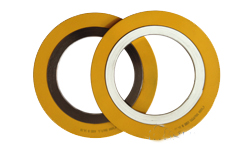
Elastomeric O-rings (like our KX-950 FKM) are ideal for contained gland designs (piston, rod, face seal grooves) where they can be mechanically compressed to create a seal. They excel in dynamic applications and offer excellent sealing with relatively low bolt load. Compressed fiber gaskets (like our KX-CNA 3000) are used between two static flanges. They are chosen for their ability to fill surface imperfections, higher temperature/pressure capabilities in static contexts, and cost-effectiveness for large flanges. The choice fundamentally depends on the joint design and operating conditions.
What is the significance of "Shore A" hardness in elastomers?
Shore A hardness is a measure of an elastomer's resistance to indentation. A lower number (e.g., 50) indicates a softer, more compliant material that can easily conform to rough surfaces and seal with low clamping force. A higher number (e.g., 90) indicates a harder, more rigid material with better resistance to extrusion under high pressure and higher wear resistance in dynamic applications. Kaxite provides a range of hardnesses within each polymer grade to optimize performance for specific installation conditions.
Why is PTFE considered a nearly universal sealing material, and what are its limitations?
Polytetrafluoroethylene (PTFE), such as our KX-PTFE 1000, is inert to almost all industrial chemicals, has an extremely wide temperature range, and has a very low coefficient of friction. This makes it suitable for sealing highly corrosive media and for applications involving sticky or viscous products. Its key limitations are creep (cold flow) under sustained load, which can lead to sealing force loss, and relatively poor elastic recovery. These are often mitigated by using filled PTFE compounds or designed washers/retainers.
How should Kaxite compressed non-asbestos (CNA) gasket sheets be stored and handled?
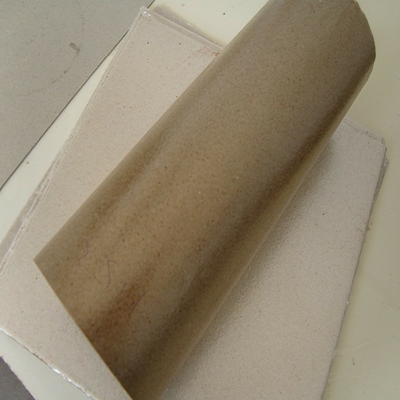
To ensure optimal performance, store Kaxite CNA sheets in a cool, dry place away from direct sunlight, ozone sources (like electric motors), and excessive heat. Keep them flat and supported to prevent bending or creasing. Before fabrication, condition the material to the shop temperature (above 15°C recommended). Always cut gaskets with sharp tools—die-cutting is preferred, but clean knife cuts are acceptable. Avoid using punches that can delaminate the material layers.
What maintenance or inspection schedule is recommended for critical seals?
Seals are wear components. A proactive maintenance strategy is essential. For critical dynamic seals (rotary shaft seals, hydraulic piston seals), incorporate seal inspection into regular machine overhaul schedules based on operating hours or cycles. For critical static gaskets in systems with thermal or pressure cycling, a visual inspection during planned shutdowns is advised to check for signs of compression set, cracking, or chemical degradation. Kaxite technical support can help develop a predictive maintenance plan based on your specific application data.
Can Kaxite provide custom-formulated sealing materials for unique applications?
Yes. Kaxite's core strength lies in our advanced R&D and formulation capabilities. If your application involves a unique combination of temperature, pressure, chemical media, or physical requirements not fully met by our standard grades, our engineering team can work with you to develop a custom compound. This process involves analyzing your requirements, prototyping, lab testing, and field validation to deliver a sealing solution that ensures reliability and longevity.