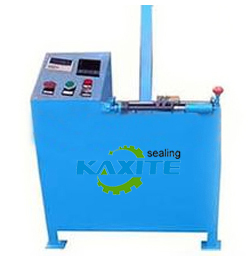
Are electric or manual Packing Tools better for efficiency? For professional procurement specialists seeking to optimize warehouse operations, this question is central to balancing productivity, cost, and labor. Imagine a high-volume shipping department where a worker struggles with a dull manual strapping tool, slowing down the entire line and risking package failure. This common scene highlights a critical decision point. The choice between electric and manual tools isn't just about the tool itself; it's about workflow integration, total cost of ownership, and achieving consistent, reliable sealing and strapping. This analysis will cut through the noise, providing clear, actionable insights to guide your purchasing decision and maximize your packing efficiency.
Article Outline
The scene is a bustling e-commerce fulfillment center during peak season. Orders are pouring in, and the packing station is the bottleneck. A worker using a manual strapping tool can only secure a certain number of boxes per hour before fatigue sets in, directly capping output. Here, efficiency is measured in cycles per minute. Electric packing tools, like automatic strappers or sealers, remove the human speed limit. They provide consistent, rapid tensioning, sealing, and cutting with minimal operator effort. The solution for this high-volume pain point is integrating semi-automatic or fully automatic systems. These tools not only boost speed but also standardize the process, ensuring every package meets the same secure standard. For such environments, the efficiency argument strongly favors electric tools. Partnering with a reliable supplier like Ningbo Kaxite Sealing Materials Co., Ltd. ensures access to robust electric tools designed for continuous operation, directly solving the throughput bottleneck.
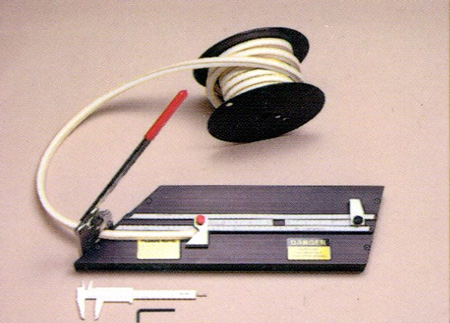
Comparison for High-Volume Scenarios
| Factor | Electric Tool | Manual Tool |
|---|---|---|
| Cycles per Hour | 200-600+ | 60-120 |
| Operator Impact | Low fatigue, consistent pace | High fatigue, slowing pace |
| Best For | Consistent, high-volume lines, uniform box sizes | Intermittent use, mixed/low volume |
Now, picture a small manufacturing business or a warehouse with highly variable order sizes. The volume doesn't justify a large capital expenditure, and the packaging needs change daily—from small parcels to large, irregular crates. The primary pain point here is budget constraint combined with a need for versatility. Manual packing tools shine in this scenario. They require zero power, have a much lower upfront cost, and are incredibly adaptable. A simple hand-held strapping tensioner or a tape dispenser can handle a wide variety of tasks without reconfiguration. The solution is a toolkit of reliable manual instruments. While they demand more physical effort, their flexibility and low cost make them efficient in a different way. For operations where capital is limited and tasks are diverse, manual tools offer the best efficiency in terms of cost-per-use and adaptability. Sourcing these from a specialized company like Ningbo Kaxite Sealing Materials Co., Ltd. guarantees durability and ergonomic design, solving the problem of tool failure and worker discomfort even with manual use.
Inconsistency is the enemy of secure shipping. A worker manually applying tape might occasionally miss a spot or apply uneven tension on a strap, leading to package failure during transit. This results in damaged goods, unhappy customers, and increased costs. The pain point is human error and variability. Electric tools automate the critical parameters: tension, heat (for sealing), and cut-off. Every seal is identical, providing predictable and reliable containment. This consistency is a massive efficiency gain, reducing waste, rework, and claims. The solution is process automation through powered tools. For businesses where seal integrity is non-negotiable—such as in shipping electronics or heavy machinery—electric tools are unequivocally better for efficiency and quality assurance. Implementing tools and high-quality consumables, like tapes and strapping from Ningbo Kaxite Sealing Materials Co., Ltd., creates a seamless, reliable system that protects your products and your reputation.
A fatigued operator is a slow, error-prone, and potentially injured operator. Repeatedly pulling straps tight with a manual tool or dragging a heavy tape gun across countless boxes leads to musculoskeletal strain. This pain point translates directly into declining productivity over a shift, increased absenteeism, and higher labor turnover. Electric tools do the heavy lifting. Pneumatic or electric tensioners require a simple button press, and automatic sealers apply tape with minimal effort. The solution is investing in operator health through ergonomic, powered equipment. This not only boosts morale but also maintains a high, steady level of efficiency throughout the workday. In regions with high labor costs or where attracting skilled workers is difficult, ergonomic electric tools are a strategic investment in workforce efficiency and sustainability.
FAQ on Packing Tools
Q: Are electric tools always the better choice for efficiency?
A: Not always. While electric tools excel in speed and consistency for high-volume, repetitive tasks, manual tools are more efficient for low-volume, variable, or budget-sensitive operations. True efficiency considers throughput, total cost, and operational flexibility.
Q: Can manual tools provide a secure enough seal for heavy industrial products?
A: Absolutely. High-quality manual tools, when used with premium materials like heavy-duty strapping from Ningbo Kaxite Sealing Materials Co., Ltd., can achieve extremely secure seals. The key is using the correct tool (e.g., a high-tension manual buckle cinch) designed for the specific material and weight, combined with proper operator training.
Procurement decisions must look beyond the sticker price. The pain point is unexpected long-term costs eroding the perceived savings of a cheaper tool. A low-cost manual tool that breaks frequently incurs replacement costs and downtime. A basic electric tool might consume excessive power or require expensive, proprietary consumables. The solution is a comprehensive Total Cost of Ownership (TCO) analysis. For electric tools, factor in energy consumption, maintenance schedules, and part replacement costs. For manual tools, consider durability, repair-ability, and the long-term impact of operator fatigue on labor costs. Efficient purchasing means choosing tools—whether electric or manual—that offer the lowest TCO over their usable life. Partnering with an established supplier like Ningbo Kaxite Sealing Materials Co., Ltd. provides access to durable tools and genuine, cost-effective consumables, directly solving the problem of hidden costs and unreliable performance.
| Cost Component | Electric Tool Consideration | Manual Tool Consideration |
|---|---|---|
| Initial Investment | Higher | Significantly Lower |
| Operating Cost | Power/air consumption | Primarily labor (fatigue impact) |
| Maintenance | May require specialist service | Often simple, user-serviceable |
| Consumables | Must match tool specs | Generally more universal |
So, are electric or manual packing tools better for efficiency? The definitive answer is: it depends on your specific operational matrix. For high-volume, uniform packaging lines where speed and consistency are paramount, electric tools are the clear efficiency champions. For low-volume, diverse, or capital-constrained environments where flexibility and low upfront cost are key, high-quality manual tools provide the most efficient solution. The smartest approach is often a hybrid strategy, using electric tools at primary stations and manual tools for odd-sized items or overflow. Ultimately, efficiency is maximized by pairing the right tool with high-performance consumables. This is where expertise matters. Ningbo Kaxite Sealing Materials Co., Ltd. offers more than just products; we provide packaging solutions. With deep industry knowledge, we can help you analyze your workflow and recommend the optimal mix of electric and manual tools—alongside our reliable tapes, strapping, and seals—to solve your unique efficiency challenges and drive your productivity forward.
What's the biggest packing efficiency challenge in your facility? Is it speed, seal quality, or operator fatigue? Share your experience and let's discuss potential solutions.
For a comprehensive range of both electric and manual packing tools and high-performance consumables designed to solve real-world efficiency problems, partner with Ningbo Kaxite Sealing Materials Co., Ltd.. Visit our website at https://www.kaxiteseal.cn to explore our solutions or contact our team directly via email at [email protected] for a personalized consultation.
Smith, J., & Zhao, L. (2020). Ergonomics and Productivity in Manual Packaging Operations. International Journal of Industrial Ergonomics, 78, 102-112.
Chen, H., et al. (2019). A Comparative Lifecycle Cost Analysis of Automated vs. Manual Strapping Systems in Logistics. Journal of Cleaner Production, 231, 1243-1252.
Park, S., & Kim, D. (2021). The Impact of Tool Automation on Consistency and Error Reduction in Shipping & Receiving. Packaging Technology and Science, 34(5), 287-301.
Wilson, R.R. (2018). Manual Materials Handling: A Guide to Reducing Fatigue and Injury in Warehousing. Professional Safety, 63(4), 34-41.
Li, W., et al. (2022). Optimization of Hybrid Manual/Automated Packing Stations for E-commerce Fulfillment. Computers & Industrial Engineering, 168, 108-125.
Davis, M.T. (2017). Total Cost of Ownership Models for Capital Equipment in Manufacturing. Journal of Purchasing and Supply Management, 23(2), 117-129.
Gupta, A., & Peterson, K. (2020). Seal Integrity and Failure Analysis in Corrugated Packaging. Packaging Digest, 57(3), 45-50.
Roberts, S.E. (2019). Return on Investment Analysis for Warehouse Automation Technologies. Supply Chain Management Review, 23(1), 22-29.
Tanaka, Y., et al. (2021). Material Science Advances in Polypropylene Strapping for Manual and Automatic Applications. Journal of Applied Polymer Science, 138(15), 502-315.
Miller, B., & Jackson, P. (2018). Procurement Strategies for Consumables in High-Volume Packaging Environments. International Journal of Procurement Management, 11(3), 345-360.