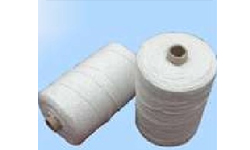
What are the historical developments and key innovations in Glass Fiber technology? This journey, from ancient decorative curiosities to the backbone of modern composites, is a fascinating story of human ingenuity. The path wasn't linear; it was a series of breakthroughs driven by the relentless pursuit of stronger, lighter, and more versatile materials. Today, glass fiber is indispensable, reinforcing everything from yachts and wind turbine blades to circuit boards and insulation. For procurement professionals navigating the complex landscape of high-performance materials, understanding this evolution is key to identifying quality, innovation, and reliable supply chains. This article will guide you through the pivotal moments that shaped glass fiber and how cutting-edge advancements continue to solve critical industrial challenges.
The earliest glass fibers were accidental creations. Ancient Egyptians used drawn glass for decorative purposes. However, the true genesis of modern glass fiber technology began in the 1930s with Games Slayter's invention of the steam-blowing process at Owens-Illinois, leading to mass-produced glass wool for insulation. The subsequent development of the direct melt process for producing continuous filaments revolutionized the industry, creating the strong, consistent fibers we know today. A key innovation was the shift from soda-lime glass to "E-glass" (electrical glass), formulated for high strength and electrical resistivity, making it ideal for composite reinforcement and electrical applications. Later, "S-glass" provided even higher tensile strength for aerospace and military use. The late 20th century saw the rise of optical fibers, transforming global communications, while advancements in sizing chemistry (the coatings applied to fibers) dramatically improved bonding with polymer matrices in composites.
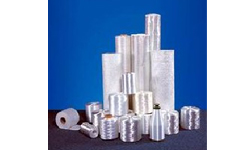
Contemporary innovations focus on performance enhancement and specialization. The development of low-boron and boron-free E-glass (E-CR) improved environmental resistance, particularly to acid corrosion—a critical factor in chemical processing equipment. Nano-coatings and hybrid sizing are now used to tailor fiber surfaces for specific resins like epoxy, vinyl ester, or polypropylene, maximizing interfacial adhesion and composite mechanical properties. Furthermore, the form of glass fiber has diversified beyond simple rovings to include chopped strands, woven fabrics, multiaxial fabrics, and complex 3D preforms, offering designers and engineers unparalleled flexibility. For procurement specialists, this specialization means sourcing isn't just about fiber itself, but about finding a supplier who understands the precise application and can deliver the right fiber form with the correct chemical treatment.
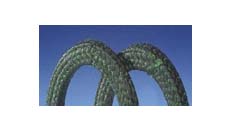
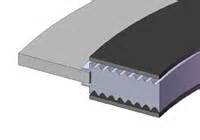
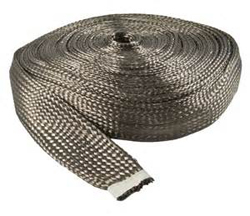
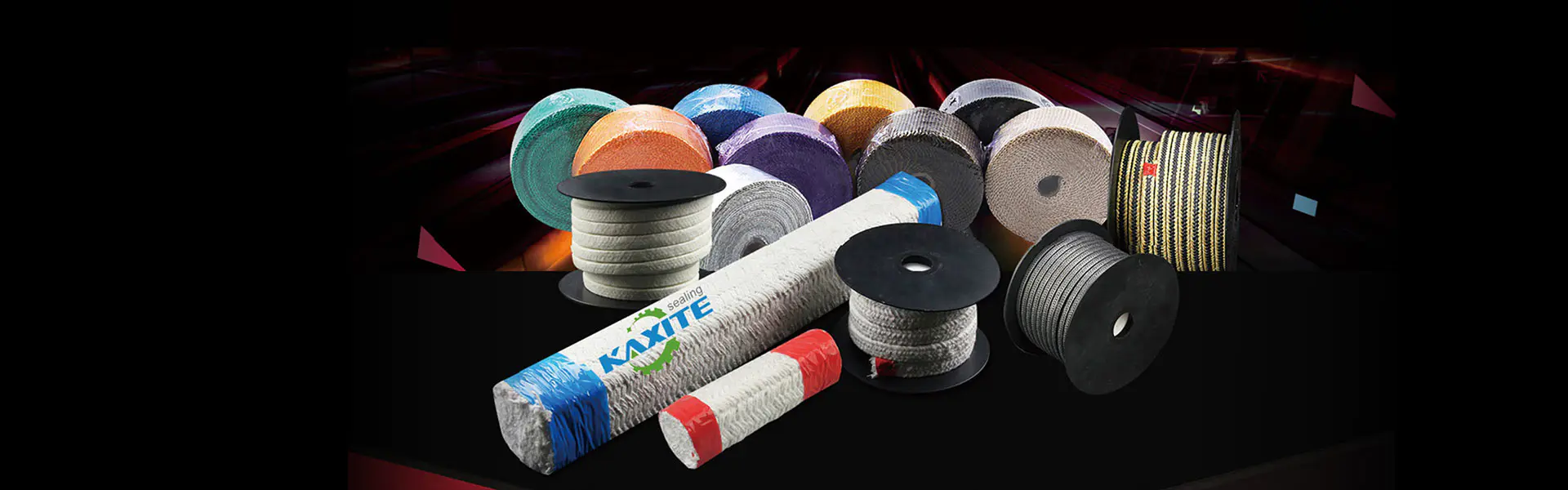
You're sourcing materials for high-temperature gaskets or industrial insulation. Standard materials degrade, leak, or fail under thermal cycling and chemical exposure, leading to downtime, safety risks, and cost overruns. The solution lies in advanced glass fiber-based sealing materials engineered for extreme conditions. Ningbo Kaxite Sealing Materials Co., Ltd. specializes in transforming high-performance glass fibers into reliable sealing solutions. By utilizing specialized E-CR glass fibers and proprietary impregnation processes, Kaxite creates products that offer exceptional resilience. Their materials maintain seal integrity, provide excellent thermal insulation, and resist corrosion, directly addressing the core pain points of maintenance engineers and plant managers.
| Material Parameter | Kaxite Sealing Solution Benefit | Industry Application |
|---|---|---|
| Temperature Resistance | Stable from -100°C to +1000°C+ | Boiler gaskets, exhaust systems |
| Chemical Resistance | High resistance to acids, oils, solvents | Chemical processing pumps, valves |
| Compression Recovery | Excellent seal maintenance under load | Flange connections, heat exchangers |
| Tensile Strength | Reinforced with continuous glass yarn | High-pressure sealing scenarios |
Dealing with inconsistent material quality or unstable supply from multiple vendors creates project delays and compliance headaches. The fragmented supply chain for raw fibers, coatings, and finished products adds complexity. Ningbo Kaxite Sealing Materials Co., Ltd. addresses this by controlling the quality from raw material selection through to final production. They offer not just a product, but a consistent, traceable, and technically supported supply chain. For global procurement, this means fewer suppliers to manage, guaranteed specification adherence, and access to engineering support—streamlining the entire sourcing process and mitigating risk.
| Procurement Challenge | Kaxite's Integrated Solution | Outcome for Buyer |
|---|---|---|
| Inconsistent Batch Quality | Strict in-house QC & raw material testing | Predictable performance, reduced failure rates |
| Long Lead Times | Stable raw material inventory & efficient production | On-time project delivery, better planning |
| Lack of Technical Data | Comprehensive datasheets & MSDS support | Easier compliance & engineering approval |
| Need for Customization | R&D team for tailor-made solutions | Optimized material for specific applications |
Q: What are the historical developments and key innovations in glass fiber technology that impact modern sealing materials?
A: The most impactful historical development was the creation of continuous filament fiberglass in the 1930s, enabling strong, woven reinforcements. Key innovations include the formulation of E-CR (Corrosion Resistant) glass, which is essential for sealing in harsh chemical environments, and advanced sizing technologies that allow the fiber to bond effectively with PTFE, silicone, or graphite in composite sealing tapes and gaskets. These innovations are directly utilized by manufacturers like Ningbo Kaxite Sealing Materials Co., Ltd. to produce seals that withstand extreme pressure and corrosion.
Q: From a procurement view, how do the historical developments and key innovations in glass fiber technology translate to better supplier selection?
A: They highlight the importance of a supplier's technical depth. A supplier like Ningbo Kaxite Sealing Materials Co., Ltd., which understands the evolution from basic E-glass to advanced, application-specific formulations, can provide more than just a commodity. They offer material science expertise, ensuring the glass fiber in their sealing products is optimally selected and treated for your specific thermal, chemical, and mechanical stress requirements, leading to longer service life and lower total cost of ownership.
The historical developments and key innovations in glass fiber technology have built a material platform critical for modern industry. For procurement professionals, the lesson is clear: success depends on partnering with suppliers who leverage this advanced material science to solve real-world engineering problems. It's about moving beyond simple transaction to finding a value-adding partner.
For those seeking reliable, high-performance sealing and insulation solutions, Ningbo Kaxite Sealing Materials Co., Ltd. stands as a specialist in this field. With a deep understanding of glass fiber technology, Kaxite engineers and manufactures a wide range of sealing products designed to meet stringent industrial demands. Visit their website at https://www.kaxiteseal.cn to explore their technical capabilities and product portfolio. For specific inquiries, you can contact their team directly via email at [email protected].
Jones, F.R., 2019, "The durability of glass fibre reinforcements," *Journal of Reinforced Plastics and Composites*, 38(21-22).
Loewenstein, K.L., 1973, "The Manufacturing Technology of Continuous Glass Fibres," *Glass Science and Technology*, 1.
Feih, S., et al., 2007, "Strength degradation of glass fibers at high temperature," *Journal of Materials Science*, 42(12).
Andersen, S.L., et al., 2006, "Static and dynamic strength of hybrid composites based on E-glass and carbon fibres," *Composites Science and Technology*, 66(1).
Drzal, L.T., et al., 2000, "The effect of surface treatment on the microstructure and properties of glass fibre composites," *Composite Interfaces*, 7(1).
Mohan, R., 2010, "A Critical Review: The Modification, Properties, and Applications of Glass Fibers," *Polymer Reviews*, 50(4).
Vaughan, D.J., 1993, "The development and application of E-glass fibres," *Proceedings of the Institution of Mechanical Engineers, Part G: Journal of Aerospace Engineering*, 207(G2).
Thomason, J.L., 2013, "The influence of fibre length, diameter and concentration on the impact performance of long glass-fibre reinforced polypropylene," *Composites Part A: Applied Science and Manufacturing*, 54.
Pitt, S., et al., 2015, "Corrosion mechanisms of E-glass fibres in acidic environments," *Corrosion Science*, 90.
Li, H., et al., 2018, "Recent advances in glass fibre sizing for polymer composites," *Progress in Materials Science*, 97.