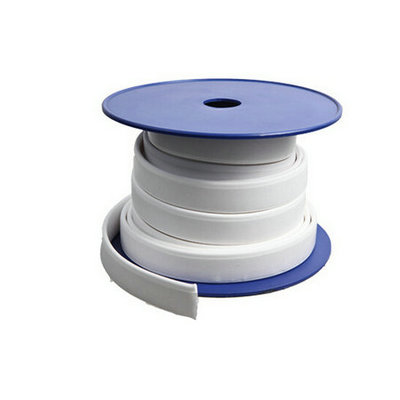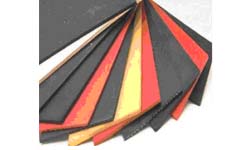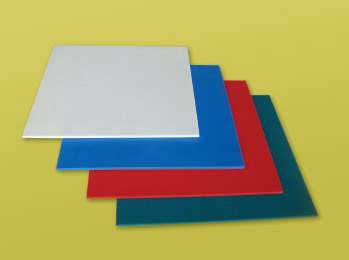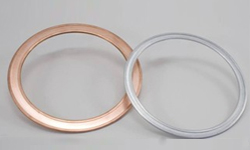
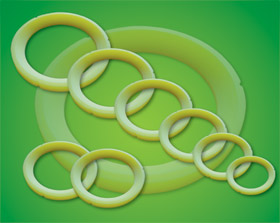
Devlon is a modified PTFE material containing fluorine, developed to overcome the creep and cold-flow limitations of pure PTFE. It offers excellent chemical resistance, high dimensional stability, and superior creep resistance, making it an ideal choice for ball valve seats where consistent sealing force and low operating torque are critical.
Maintains sealing force under sustained load and pressure cycling.
Resists most acids, bases, solvents, and hydrocarbons.
Reduces torque and wear on the ball surface.
Suitable for -50°C to +200°C depending on valve design.
A Devlon ball valve seat is the sealing component positioned between the valve ball and the valve body. When the ball rotates to open or close the flow path, the seat maintains contact with the ball to prevent leakage. Because the seat is under constant load and friction, the material must resist creep, wear, and chemical attack while maintaining elastic recovery. Devlon modified PTFE is specifically formulated to meet these requirements better than standard PTFE in many valve designs.
| Property | Devlon | Pure PTFE | PEEK | Nylon |
|---|---|---|---|---|
| Creep Resistance | Excellent | Poor | Excellent | Moderate |
| Chemical Resistance | Excellent | Excellent | Good | Moderate |
| Friction Coefficient | Low | Very Low | Low | Moderate |
| Temperature Range | -50°C to +200°C | -260°C to +260°C | -60°C to +250°C | -40°C to +120°C |
| Cost | Moderate | Low | High | Low |
| Typical Ball Valve Use | Seats, seals | Seats, seals | High-temp seats | Low-pressure seats |
| Property | Typical Value |
|---|---|
| Material | Devlon modified PTFE |
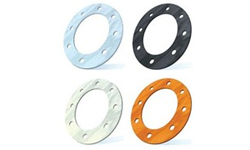
| Color | White, black, or custom |
| Temperature Range | -50°C to +200°C, depending on valve design and media |
| Pressure Rating | Depends on valve size, seat design, and application |
| Density | Approx. 2.1 - 2.3 g/cm³ |
| Hardness | Shore D 55 - 65, typical |
| Friction Coefficient | Low, similar to PTFE-based materials |
| Chemical Resistance | Excellent against most acids, bases, solvents, and hydrocarbons |
| Available Forms | Machined seat rings, inserts, custom profiles |
Pipeline ball valves, manifold valves, and process isolation valves.
Valves handling corrosive liquids, solvents, and aggressive media.
Steam and water isolation valves in auxiliary systems.
Ball valves for water, wastewater, and chemical dosing lines.
Pneumatic and hydraulic ball valves, actuator-operated valves, and OEM valve assemblies.
Kaxite produces custom Devlon ball valve seats based on drawings, samples, or valve model numbers. Our engineering team can adjust dimensions, angles, surface finish, and material grade to match your specific valve requirements. We support OEM and ODM projects with private labeling and custom packaging.
Every batch of Devlon ball valve seats is manufactured under a strict quality management system. We verify raw material certificates, inspect dimensions with calibrated instruments, and perform functional checks to ensure proper fit and sealing. Our in-house testing capabilities include compression set, creep relaxation, and air tightness testing. We can also provide third-party inspection reports on request.
Correct installation and maintenance are essential for reliable performance. Follow these steps:
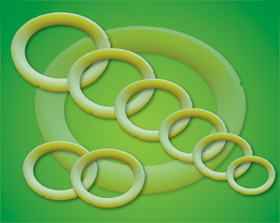
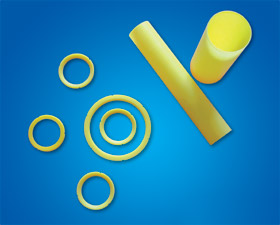
It is a sealing ring or insert made from Devlon modified PTFE material. It is installed in a ball valve to create a tight seal against the rotating ball. It controls leakage, reduces friction, and helps maintain reliable operation under pressure and temperature changes.
Devlon offers better creep resistance and corrosion resistance than pure PTFE in many valve applications. It maintains sealing force under sustained load, resists chemical attack, and provides low friction, which extends seat and ball life.
Typical Devlon ball valve seats can operate from about -50°C to +200°C. The actual limit depends on valve design, pressure, media, and cycle frequency. For extreme temperatures, Kaxite can recommend alternative materials such as PEEK or filled PTFE compounds.
Yes. Devlon is highly resistant to most industrial chemicals, including acids, bases, solvents, and hydrocarbons. However, media compatibility should always be confirmed for the specific concentration, temperature, and pressure of your application.
Yes. Kaxite manufactures custom ball valve seats based on drawings, samples, or valve model numbers. We can adjust dimensions, angles, surface finish, and material grade to match your valve requirements.
Clean the valve body and ball before installation. Insert the seat evenly into the groove without forcing it. Check that the seat is not twisted or damaged. Lubricate only with a compatible lubricant if required by the valve manufacturer. After assembly, test the valve for smooth operation and leakage before putting it into service.
Need a custom Devlon ball valve seat or bulk quotation? Send your inquiry to Kaxite and our engineering team will recommend the right material grade for your valve application.
Address
No 432 Zhenhai Middle Road, Luotuo Street, Zhenhai District, Ningbo City, Zhejiang China